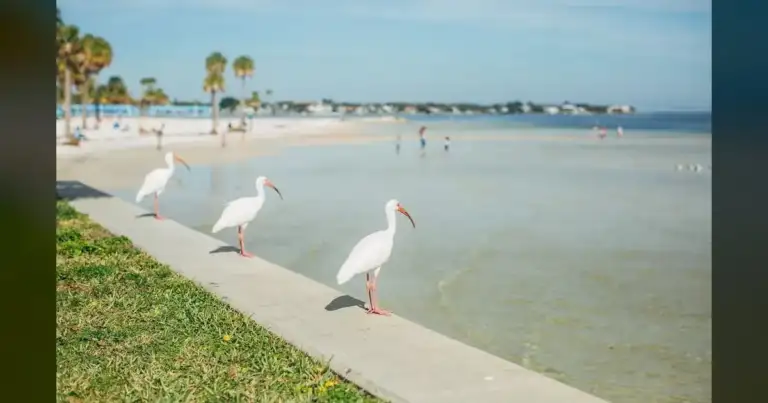

Let’s cut through the sand and get to the toxic truth: a pristine stretch of St. Pete Beach, a jewel in Florida’s crown, has been brazenly assaulted. We’re not talking about a minor infraction; this is an environmental blitz, a deliberate chemical attack where hundreds of mothballs, laced with dangerous naphthalene and paradichlorobenzene, were strategically deployed to drive out protected nesting birds. This isn’t just a dirty trick; it’s a calculated act of ecological sabotage, a foul play that demands immediate and severe penalties.
Wildlife officials, particularly the Florida Fish and Wildlife Conservation Commission (FWC) and the U.S. Fish and Wildlife Service (USFWS), are now on the defensive, scrambling to contain the damage on St. Pete Beach. They’ve confirmed finding hundreds, if not thousands, of these chemical landmines scattered across the delicate nesting grounds. Let’s be unequivocally clear: these aren’t harmless repellents. These are potent poisons – naphthalene and paradichlorobenzene – designed to sicken, disorient, and ultimately kill. The perpetrator’s game plan was brutally simple and utterly despicable: clear the field of protected birds by any toxic means necessary.

The Toxic Playbook: A Calculated Strike Against Nature
This isn’t some random act of vandalism; this is a page ripped straight from a dirty, desperate playbook. The perpetrator, whoever they are, made a cold, tactical decision: nature, specifically the federally protected Least Terns and Black Skimmers that nest on these shores, was deemed an “inconvenience.” So, they launched a chemical strike, targeting these vulnerable species with poison. Let’s not sugarcoat it: this wasn’t about shooing away a few pesky gulls. This was a direct, premeditated assault on protected wildlife, a deliberate attempt to eradicate a vital part of Florida’s natural heritage.
The threat posed by these mothballs is not merely “serious” – it’s catastrophic. Imagine a chick, mistaking a white mothball for food, ingesting a lethal dose. The chemicals, once absorbed, wreak havoc on internal organs, causing severe illness, neurological damage, and ultimately, a painful death. But the damage doesn’t stop with the target species. These toxins leach into the sand, contaminating the entire beach ecosystem, endangering marine life, invertebrates, and even other animals further up the food chain. This isn’t just a localized incident; it’s a contamination event that could ripple through the delicate coastal environment for months, a silent killer stalking the shores.
Think about the sheer, unmitigated audacity. In a state that prides itself on its natural beauty and wildlife, someone chose chemical warfare over coexistence. They didn’t just “risk” the health of a habitat; they actively poisoned it, turning a vibrant nesting ground into a hazardous waste zone. This isn’t merely “disregard”; it’s a contemptuous, almost arrogant, dismissal of environmental law, ethical responsibility, and the very essence of Florida’s natural heritage. It’s a calculated move designed to clear the field, damn the consequences and the ecological integrity of the entire region.
The Hunt for the Perpetrator: Unmasking the Coward
The investigation is now a full-court press. FWC and USFWS agents are on the ground, sifting through sand and interviewing potential witnesses, determined to unmask the individual or group behind this cowardly act. It’s a challenging tactical operation to pinpoint a perpetrator who likely operated under the cover of darkness, but the evidence is undeniable: this was no accident. This was a deliberate, malicious deployment of toxins, a strategic move by someone who believed they could get away with it, a true act of environmental terrorism.
So, who gains from turning a nesting ground into a toxic wasteland? Follow the money, follow the convenience. The prime suspects are often those with a vested interest in “pristine,” bird-free stretches of sand: beachfront property owners seeking unobstructed views, or perhaps commercial interests prioritizing tourist access over ecological balance. This isn’t about some noble cause; it’s a crass calculation of control and convenience, where the environment is merely an obstacle to be bulldozed, or in this case, chemically poisoned, out of the way. It’s a clear attempt to privatize a public resource through illicit means.
Florida’s sun-drenched beaches are its economic lifeblood, a global magnet for tourism. But incidents like this aren’t just a smudge; they’re a deep, ugly stain on that image. They broadcast a damning message to the world: that in Florida, selfish desires can trump environmental laws, and that some are willing to commit ecological felonies for personal gain. This isn’t merely a local skirmish; it’s a black eye for the entire state, damaging its brand and reputation on an international stage. How can we invite the world to our shores when our shores are being poisoned?
The Unconscionable Score: Greed, Power, and Ecological Sabotage
Let’s call this what it is, stripped of any euphemism: a naked power play. This isn’t about sharing the beach; it’s about absolute dominion. The perpetrator sought to dictate who, or what, had a right to exist on that sand. Any living obstacle – in this case, federally protected nesting birds – became a target for removal. This is a territorial dispute waged with poison, an unconscionable attempt to unilaterally control a public resource and rewrite the rules of nature to suit personal whims.
The hypocrisy on display here is frankly galling, a gut punch to anyone who values integrity. Millions flock to Florida precisely for its unparalleled natural beauty, its vibrant ecosystems. Yet, a select few, driven by avarice, actively dismantle that very beauty. They poison a beach to maintain an “unspoiled” view or to artificially inflate property values. This isn’t some impulsive act; it’s a cold, calculated decision, a strategic blunder with devastating, toxic consequences that will haunt the local environment long after the perpetrator is caught. It’s an environmental crime committed with a clear motive and a chilling disregard for life.
These birds – the Least Terns, the Black Skimmers – aren’t just picturesque ornaments. They are keystone species, vital indicators of coastal health, integral threads in the delicate tapestry of the ecosystem. Their protected status isn’t some bureaucratic whim; it’s a legal mandate, a recognition of their ecological importance under both state and federal law, specifically the Migratory Bird Treaty Act. To ignore that status, to actively target them with poison, demonstrates not just contempt, but an outright defiance of the law and a profound disrespect for the natural world, a direct challenge to the very statutes designed to safeguard our planet.
Let’s be absolutely clear: the choice of naphthalene and paradichlorobenzene was not accidental. This wasn’t a mistake; it was a weapon selection. These are not benign substances; they are known, potent pesticides, specifically chosen for their efficacy in deterring, sickening, and ultimately killing small animals. This was a deliberate, premeditated act of environmental sabotage, a tactical decision designed to clear out the target species at any, and all, toxic costs. This is an offense that carries serious legal weight, potentially escalating to felony charges under federal and state statutes, with significant fines and even imprisonment as possible penalties.
The economic fallout from such an egregious act cannot be overstated. Local businesses, from beachfront cafes to charter fishing operations, are intrinsically linked to Florida’s clean, vibrant coastlines. A polluted beach isn’t just “bad for business”; it’s a commercial death knell, driving away the very tourists who fuel the local economy and who, increasingly, prioritize clean, environmentally responsible destinations. This isn’t just a stunt; it’s an economic own goal, painting the entire community as uncaring, reckless, and complicit in environmental degradation. Who wants to vacation on a toxic beach, especially when there are countless other pristine destinations available?
This incident, while shocking, is unfortunately another grim skirmish in the ongoing war for Florida’s coast. It’s a battleground where developers and property owners too often clash with conservationists, where profit frequently attempts to overpower preservation. This mothball attack isn’t an isolated anomaly; it’s a stark, brutal reminder of the unconscionable lengths some individuals are willing to go to for perceived advantage, to “win” their personal territorial disputes, regardless of the ecological devastation left in their wake. It’s a symptom of a deeper conflict over who controls and benefits from our precious natural resources.
And let’s not forget the human element. This toxic offensive threatens far more than just the birds. It puts every single beachgoer at risk. Imagine a child, innocently digging in the sand, coming into direct contact with these carcinogenic chemicals. This wasn’t a crude attempt at deterrence; it was a public health hazard, a chemical weapon deployed in a public space. The individual responsible didn’t just break environmental laws; they endangered human lives. Accountability isn’t just a suggestion here; it’s an absolute imperative, a non-negotiable demand for justice to protect both wildlife and our communities.
Florida champions itself as a haven for wildlife, a natural paradise. But this incident rips back the curtain, revealing a dark, ugly underbelly. A single, cowardly act by a “bad actor” can not only ruin a pristine environment but also undermine decades of painstaking conservation efforts and tarnish the reputation of an entire state. The message from Tallahassee, from every corner of this great state, must be unambiguous: Florida will not tolerate such blatant environmental crimes. We must stand firm, united, and deliver a crushing blow to those who seek to poison our natural legacy.
The final whistle hasn’t blown on this investigation, but the message from the sidelines must be deafeningly clear: Florida’s protected species are not bargaining chips. Our natural habitats are not disposable inconveniences. The use of toxic chemicals to clear the field is an unconscionable, cowardly foul, a cheap shot against nature that will not, and cannot, stand. The perpetrator will be found, and when they are, the penalty must be severe enough to ensure that no one ever dares to launch such a toxic offensive against Florida’s precious natural heritage again. This isn’t just about justice for the birds; it’s about defending the very soul of our state.
Photo: Photo by CityofStPete on Openverse (flickr) (https://www.flickr.com/photos/63805593@N04/16431759086)
Source: Google News