
Bal Harbour, the jewel in Miami’s crown of exclusivity, is under siege. This week, as the Third District Court of Appeal convened on April 19, 2026, the battle for its very identity—or at least its skyline—reignited, fueled by Florida’s top legal mind. At the heart of this high-stakes showdown? The Live Local Act, Bal Harbour Shops, and the unapologetic luxury brigade of the Village of Bal Harbour.
The Showdown on Collins Avenue
For those who prefer their real estate served with a side of caviar and quiet exclusivity, the notion of “workforce housing” in Bal Harbour probably sounds like a vulgar intrusion, an affront to their carefully constructed tranquility. Yet, that’s precisely what Bal Harbour Shops owner, Matthew Whitman, aims to bring to a parcel near his iconic retail mecca: 528 units designed for those earning up to 120% of the area’s median income. Suddenly, the village known for its serene, manicured avenues and billion-dollar views is facing the prospect of actual Floridians living there – people who might actually work in the surrounding areas. It’s a development that threatens to shatter the illusion of an impenetrable fortress.

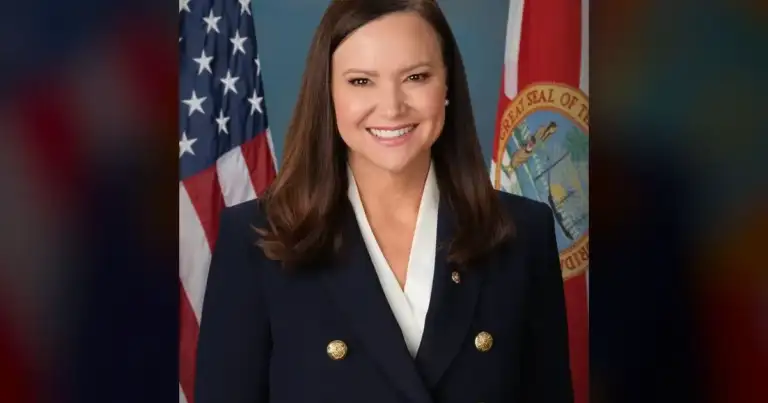
The Florida Attorney General, Ashley Moody, isn’t just watching from the sidelines; she’s plunged directly into the fray. Her office filed an amicus curiae brief, firmly backing Bal Harbour Shops’ aggressive interpretation of the Live Local Act. This isn’t just legal posturing; it’s a state-level declaration, loud and clear, that Florida’s housing crisis isn’t stopping at Bal Harbour’s carefully guarded gates. It’s a direct challenge to the village’s long-held belief that it can dictate who belongs within its borders.
The “Not In My Backyard” Chorus
Online, the outrage is a torrent, a chorus of cynicism echoing across Reddit threads on r/Florida and r/Miami. Bal Harbour residents—the self-appointed guardians of “luxury exclusivity”—are predicting traffic Armageddon and “skyline rape” if these “middle-class plebs” dare to move in. One viral comment, upvoted hundreds of times, snipes:
Turn our Monaco into Miami Gardens!
The accusation? That Whitman is using the Live Local Act as a “grift via state preemption” to bulldoze local control, leveraging a state law initially designed to address broader housing needs for his own agenda. It’s a convenient narrative that frames a necessary solution as a developer’s greedy ploy.
Social media, always quick to highlight inconvenient truths, has branded the AG’s support as “pure GOP favoritism for rich donors vs. poors.” It’s a convenient narrative, certainly, but let’s be real: when you’re talking about zoning wars in Florida, power plays are the default setting, not an exception.
The Village’s own website, with its “demonstrably false accusations” counter-narrative, only fuels the fire, painting a picture of tone-deaf elitism struggling to justify its exclusionary past. They’ve been blocking density since 2023, remember? Their arguments reek of a desperate attempt to cling to an outdated vision of exclusivity.
The Red Marker Verdict
Let’s cut through the noise. This isn’t about traffic. It’s not truly about aesthetics. It’s about maintaining a postcode as an impenetrable fortress of wealth, a velvet rope held tight against anyone who can’t afford the exorbitant entry fee. The Village of Bal Harbour’s “home rule” arguments are nothing more than a thinly veiled, desperate attempt to preserve artificial scarcity and keep the “wrong kind” of people out. Their cries of local control ring hollow when the real issue is economic exclusion.
Attorney General Moody’s intervention, regardless of the political optics or the convenient narratives of “GOP favoritism,” rips open that pretense. The Live Local Act is a blunt instrument, yes, but it’s precisely what’s needed to pry open enclaves that have historically used zoning as a weapon against economic diversity. The “workforce housing” here isn’t a charity; it’s an economic imperative for a thriving region, a necessity for the very people who serve the elites of Bal Harbour. Bal Harbour Shops sees an opportunity to develop, and the state, perhaps for its own political reasons, sees an opportunity to force a hand. The real motive is clear: power versus privilege, and in this round, the state is reminding the elite that even their gilded cages are subject to the laws of Florida.
This isn’t just a local spat; it’s a front-row seat to the future of Florida. Will we be a collection of isolated, exclusive islands, or a more integrated, dynamic state where everyone has a place? The court’s decision will tell us a great deal about who truly holds the keys to Florida’s future – and whether the velvet rope finally starts to fray.
Source: Google News