
New Mexico is about to cage off one of its most cherished landmarks. The State is moving to install fencing along the sidewalks of the iconic Rio Grande Gorge Bridge, a move that will irrevocably change how we experience this majestic site. This isn’t some minor upgrade or aesthetic tweak; it’s a stark, metal barrier going up, replacing the open air and raw awe that once stood between you and the dizzying 600-foot drop.
Fencing Off the View, Fencing In the Problem
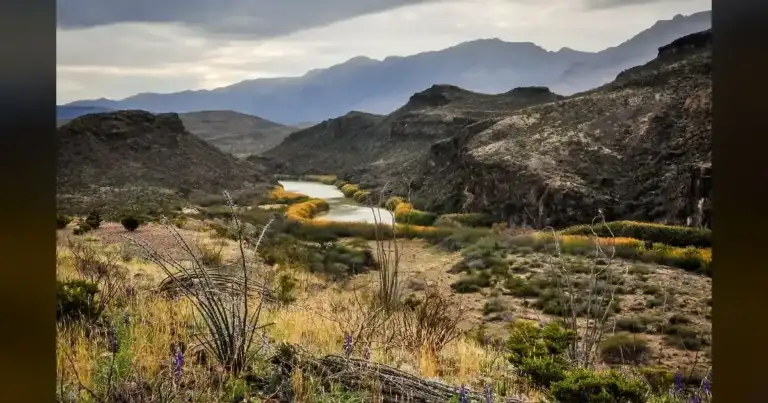
For generations, the Rio Grande Gorge Bridge, north of Taos, has offered breathtaking, unobstructed panoramic views of the gorge, attracting tourists and locals alike. It’s a place of dramatic beauty, a profound connection to the wild heart of our state.

But tragically, it has also become a site of profound despair for some. While state agencies might cite “public safety improvements,” let’s be brutally honest. This fencing directly responds to the bridge’s tragic history as a location for suicide attempts.
Isn’t it a damning indictment that our most stunning natural wonder is also a site of such profound human anguish?
The decision to fence off the sidewalks is a blunt instrument, a stark symbol of a deeper, more uncomfortable truth about public health and liability. It’s easier to erect steel than to comprehensively tackle the deeper societal problems that drive individuals to such desperate acts. The state isn’t just protecting people from themselves; it’s protecting itself from the legal fallout when those protections inevitably fail. Are we truly addressing the crisis, or just sweeping it behind a new, very expensive curtain?
A Band-Aid on a Bullet Wound
Imagine standing on that bridge now, gazing through a chain-link or vertical bar fence. The raw, untamed majesty of the gorge will be mediated, domesticated, irrevocably scarred. For those who visit for the sheer thrill, the unencumbered vista, or even for quiet contemplation, the experience will be undeniably diminished. Will we still feel the same profound connection to the wild, untamed beauty, or will the bars remind us of a problem we’d rather not confront?
Sure, some will argue it’s a necessary evil if it saves even one life. That’s a powerful, gut-wrenching argument.
But it also exposes a profound societal failure. This isn’t some distant “river access” debate. This is about a highly visible, state-maintained structure, and the state’s fundamental obligation to its citizens.
The fact that a major landmark needs caging screams volumes about New Mexico’s mental health support, or lack thereof. This fence is an unmistakable admission that the state’s existing safety nets are not enough.
“This fence isn’t just about ‘public safety.’ It’s a stark admission that our state finds it easier to cage off a landmark than to truly confront the mental health crisis driving people to its edge.”
The Red Marker
Let’s cut through the officialese. The state isn’t fencing off the Rio Grande Gorge Bridge sidewalks purely out of altruism.
The real motive here is a cold, hard calculation of liability management. Every incident at that bridge represents a potential lawsuit, a PR disaster, and a burden on taxpayer dollars.
The fence offers a cheaper, more immediate fix than investing in robust mental health infrastructure. Such infrastructure might actually prevent people from reaching that point of desperation.
This fence is a physical barrier against litigation, disguised as public safety. While it might prevent some immediate tragedies, it does nothing to address the underlying despair. Those problems will continue to fester, hidden from view, beyond the reach of the new, imposing fence.
This fence, a monument to our collective inaction, will stand as a constant, stark reminder. It might shield us from the immediate sight of tragedy, but it will do nothing to heal the deeper wounds festering in our communities. When will New Mexico truly invest in the lives of its people, instead of just building bigger cages?
Photo: Photo by CMy23 on Openverse (flickr) (https://www.flickr.com/photos/62741243@N04/36972186973)
Source: Google News