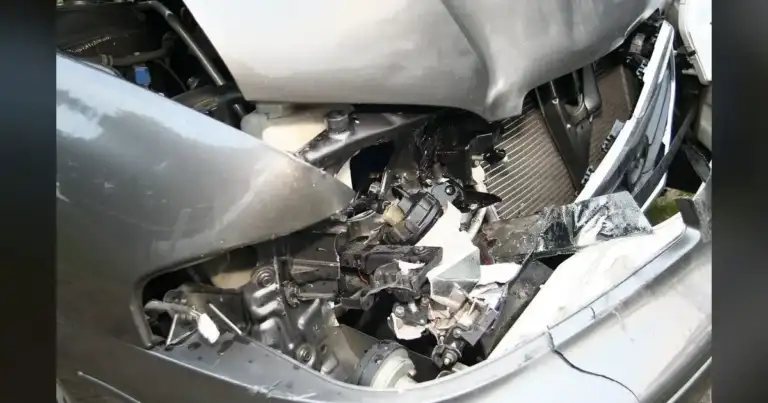

Another life extinguished on Kirkwood Highway. Wednesday night, near Harmony Road in Newark, a routine drive turned into a horrific statistic. It claimed a 22-year-old man and sent two others to Christiana Hospital.
A 2024 Honda Civic, eastbound, met a 2019 Ford F-150 turning left from westbound. In a flash, a family’s world shattered. The Delaware State Police are investigating, citing speed, impairment, signals. This is the same tired refrain we hear after every preventable tragedy.
Kirkwood’s Deadly Habit: A Gauntlet, Not a Road
Let’s drop the pretense. This isn’t a shock. Kirkwood Highway, Route 2, isn’t just a road; it’s a death trap.
It’s a chaotic gauntlet that chews up lives with alarming regularity. This isn’t some quiet country lane; it’s one of New Castle County’s busiest arteries. It’s choked with sprawling commercial development, endless strip malls, and a relentless torrent of traffic trying to manage its multi-lane madness.
The intersection of Kirkwood and Harmony is a prime example of this fatal design flaw. It’s a high-volume choke point where left turns across fast-moving traffic aren’t just risky; they’re a recipe for disaster. How many more flashing lights, how many more stretches of crime scene tape, do we have to witness? Someone in power must admit this is a systemic issue, not just a string of ‘unfortunate accidents’.
“Our thoughts are with the families affected by this tragic event,” stated Master Corporal Melissa Hinojosa, a spokesperson for the Delaware State Police. “The Collision Reconstruction Unit is working diligently to piece together exactly what happened. We urge anyone who witnessed the crash or has any information to come forward.”
Empty words, aren’t they? Platitudes for families left to pick up the pieces of shattered lives. For the rest of us, it’s a stark, terrifying reminder that every time you pull out onto that asphalt, you’re rolling the dice.
Delaware’s traffic fatality numbers aren’t merely holding steady; they’re ticking relentlessly upward. Congested, poorly designed corridors like Kirkwood Highway are the primary contributors to this grim ledger.
The Real Price of ‘Progress’
The state police will do their job, investigate, and perhaps eventually file charges. DelDOT will likely add this intersection to a “review” list, maybe tweak a signal timing, or put up a new sign. But these are superficial bandages on a gaping wound. The fundamental problem persists, festering beneath the surface.
We’ve relentlessly built an economic corridor, lined it with businesses that demand easy access. Then we feign surprise when the sheer volume, speed, and complexity of traffic inevitably lead to death. The infrastructure hasn’t just lagged; it’s been actively neglected in favor of relentless development. This turns human error into an exponentially more deadly factor in an overcrowded, poorly conceived environment.
This isn’t a random act of fate; it’s a tragically predictable outcome of prioritizing traffic flow for commerce over the absolute, non-negotiable safety of human lives. The ‘progress’ along Kirkwood Highway isn’t free; it comes with a very real, very bloody price tag.
The Red Marker Verdict: Inaction’s Deadly Toll
Here’s the truth no one in power wants to utter: This latest fatality on Kirkwood Highway isn’t an anomaly. It’s a grim feature of Delaware’s deeply flawed approach to its busiest roads.
The official line will invariably focus on individual responsibility, driver habits, and ‘investigating factors.’ And yes, drivers absolutely bear responsibility for their actions. But the deeper, more inconvenient truth is that state and local governments, year after year, prioritize the smooth flow of commercial traffic and new development. This comes over the costly, disruptive, and often politically unpopular work of truly re-engineering these death traps.
Dedicated left-turn signals, grade separations, stricter enforcement that actually slows people down – these are expensive. They cause temporary headaches for businesses and commuters. And so, they get perpetually pushed down the priority list. We get ‘thoughts and prayers’ and endless ‘reviews’.
Actually fixing the problem means reallocating funds, riling up powerful developers, or inconveniencing enough voters to risk an election. This isn’t just an accident; it’s a direct consequence of collective inaction, driven by financial expediency and political timidity.
Don’t hold your breath for real change until the body count becomes too high to ignore. Even then, expect a band-aid, not a cure. How many more lives must be sacrificed before we demand more than empty promises?
Photo: Photo by sylvar on Openverse (flickr) (https://www.flickr.com/photos/44124401501@N01/361087170)
Source: Google News