
Before the ink could even dry on Houston’s groundbreaking “Immigrant Trust Ordinance”—passed just last week—the State of Texas, predictably, came calling with a lawsuit. This isn’t a surprise to anyone who’s been paying attention; it’s the latest round in a never-ending boxing match between Austin and our city. This time, the fight is over how Houston interacts with U.S. Immigration and Customs Enforcement (ICE).
The Ordinance: Houston Draws a Line
Houston, a city that rarely backs down, recently passed its “Immigrant Trust Ordinance.” This policy explicitly limits how city resources or personnel can assist federal immigration enforcement. It prohibits city employees, including police, from inquiring about immigration status or holding individuals solely based on an ICE detainer without a judicial warrant or specific court order.

The message from City Council was clear: local law enforcement should focus on keeping Houstonians safe from local crime, not acting as an extension of federal immigration agents. This aims to build vital trust within our diverse immigrant communities, ensuring everyone feels safe reporting crimes without fear of deportation.
Houston isn’t reinventing the wheel here. Major cities nationwide have adopted similar policies, recognizing the practical benefits of community trust. But this is Texas, folks.
In Texas, state leadership has made border security and immigration enforcement their political magnum opus. Any local attempt to chart a more humane, pragmatic course is met not with debate, but with immediate, aggressive legal warfare. The state sees any deviation from its hardline stance as an act of defiance, not a legitimate local policy choice.
Austin’s Predictable Counter-Punch: Ken Paxton Steps In
The lawsuit from the State of Texas wasn’t just predictable; it was inevitable. Attorney General Ken Paxton’s office wasted no time, filing suit days after the ordinance passed. Their legal challenge uses the usual playbook: Houston’s ordinance, they argue, is preempted by state law, federal law, or both.
The state insists that immigration enforcement is a sacrosanct federal and state responsibility, not some local playground for municipalities to redefine. They’ll trot out tired rhetoric about “uniform application of laws” and a “patchwork of local rules” hindering law enforcement. But let’s be clear: this isn’t about legal consistency; it’s about control.
“Houston trying to carve out its own immigration policy is like a guppy trying to tell a shark where to swim. The state simply won’t have it, and they’ve got the legal muscle to prove it.”
This fight extends far beyond a single ICE ordinance. It’s the latest skirmish in the state capitol’s relentless campaign to dictate policy to its largest, most diverse, and often politically divergent cities. Remember the constant battles over everything from local tree ordinances to public safety measures?
Austin has a long history of asserting its authority, often through legislative mandates designed to hobble what it deems “overreaching” municipal governments. This lawsuit isn’t an isolated incident; it’s another calculated salvo in that ongoing, deeply partisan war for local autonomy.
The Unmistakable Message: Fall In Line
Let’s strip away the legal jargon and political posturing. This isn’t merely about the legality of an ordinance; it’s a naked power play. The State of Texas is sending an unmistakable, chilling message to every major city daring to chart its own course.
The message is clear: conform to our hardline vision for immigration and law enforcement, or we will crush your local initiatives in court. This isn’t about genuine public safety or upholding federal mandates; it’s about political optics and a performative display of power. The state aims to ensure its uncompromising stance on immigration remains unchallenged by local autonomy.
So, what’s the real cost here? It’s not just the millions in taxpayer dollars funneled into legal fees for both sides of this predictable, politically charged battle. It’s the erosion of local control and the chilling effect on cities trying to address their communities’ unique needs.
It’s also the deepening divide between Austin and the vibrant, diverse metropolises that drive this state’s economy. When will the state realize that a one-size-fits-all approach doesn’t work for a state as vast and varied as Texas? Or perhaps, they simply don’t care.
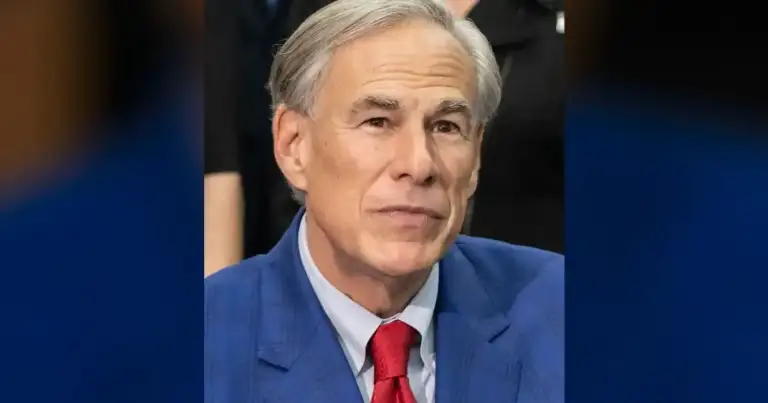
Photo: Gage Skidmore
Source: Google News