












Wyoming Rises to the Wildfire Challenge: A Bold Step Towards Resilience
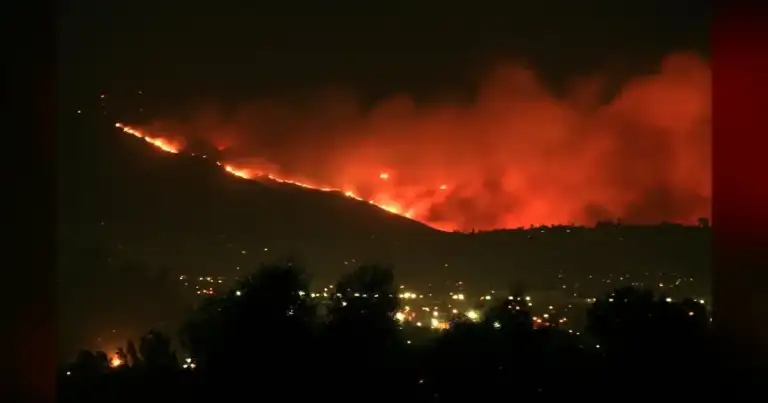
The vast, untamed beauty of Wyoming is, regrettably, no stranger to the creeping menace of wildfire. Every year, our majestic landscapes and the communities nestled within them face the real and present danger of blazes that can consume everything in their path. It is against this stark backdrop that the recent announcement by the Wyoming State Forestry Division (WSFD) stands out as a beacon of proactive foresight: the statewide expansion of the “Wyoming Wildfire Ready Home” certification program.
As of April 17, 2026, this crucial initiative, previously a successful pilot in high-risk zones like Teton and Albany counties, is now accessible to every homeowner across our state. This isn’t just a bureaucratic expansion; it’s a strategic pivot towards embedding resilience at the very heart of our communities. The program focuses on two fundamental pillars: creating defensible space around homes and hardening structures against ember ignition, which is often the primary cause of home destruction during a wildfire.
A Shield for Homeowners, a Boon for Communities
The benefits of this expansion are multifaceted and far-reaching. For homeowners, the certification offers invaluable peace of mind. Knowing that one’s property has met stringent mitigation standards translates directly into enhanced safety and, importantly, potential financial relief. Industry partners are already discussing the possibility of 10-20% discounts on insurance premiums for certified homes, a significant incentive given the rising costs of coverage in fire-prone regions. Beyond monetary savings, a safer home is a more valuable home, contributing to increased property values and a stronger, more prepared community fabric.
Insurance companies, too, stand to gain immensely. With Wyoming experiencing an alarming 750 wildfires in 2023, scorching over 150,000 acres, the financial toll in claims is substantial. The average annual cost of wildfire suppression alone in Wyoming hovers around $20 million. By incentivizing homeowners to mitigate risks, insurers can anticipate reduced payouts and a more predictable risk landscape. This program offers a quantifiable metric for assessing and reducing exposure.
“The expansion of the ‘Wyoming Wildfire Ready Home’ program is a testament to our collective commitment to protecting lives, property, and our invaluable natural resources. It’s a crucial step in fostering a culture of preparedness across the entire state.”
Local fire departments are also significant beneficiaries. Homes with defensible space are not only less likely to ignite but are also safer and more effective for firefighters to protect, allowing resources to be deployed more strategically. This collaborative approach fosters stronger community engagement in preparedness, turning residents into active participants in their own safety.
Addressing the Gaps: Who Gets Left Behind?
While the “Wyoming Wildfire Ready Home” program is undeniably a positive development, an editorial lens demands we also scrutinize its potential shortcomings. The initial investment required for creating defensible space or hardening a home, though cost-effective in the long run, can be significant. This raises a crucial question of equity: what about homeowners, particularly in rural or low-income communities, who may struggle to afford these upfront costs?
The WSFD has allocated $2.5 million in grants for mitigation efforts, with an additional $1 million requested. While commendable, it is imperative that these funds are distributed equitably and that robust support mechanisms are in place to ensure accessibility for all. Furthermore, renters, who often have limited control over property modifications, find themselves in a challenging position, facing the same risks without the direct means to participate in the program. Their vulnerability should not be overlooked.
Beyond individual property preparedness, the program, by its very nature, addresses the symptoms rather than the root cause. The increasing frequency and intensity of wildfires are inextricably linked to the broader, existential issue of climate change. While essential for immediate protection, initiatives like the “Wyoming Wildfire Ready Home” program must be seen as part of a larger, systemic effort that also tackles climate change head-on. Ignoring this overarching context would be a disservice to future generations.
A Call to Action and Continued Vigilance
The statewide expansion of the “Wyoming Wildfire Ready Home” certification is a significant, commendable step towards building a more resilient Wyoming. It empowers individual citizens to take tangible action, strengthens our emergency services, and brings financial benefits to both homeowners and the insurance industry. However, its true success will hinge on ensuring equitable access, providing robust financial assistance to those in need, and fostering a continuous dialogue about the interplay between local preparedness and global environmental challenges.
As we celebrate this progress, let us also commit to addressing the disparities, supporting our most vulnerable citizens, and remaining vigilant in the face of a changing climate. Only through such a comprehensive and compassionate approach can Wyoming truly become “wildfire ready” for all.
Photo: Photo by slworking2 on Openverse (flickr) (https://www.flickr.com/photos/18548283@N00/1706914596)
Source: Google News

