
East Idaho’s “Drought” Alarm: Who’s Crying Wolf?
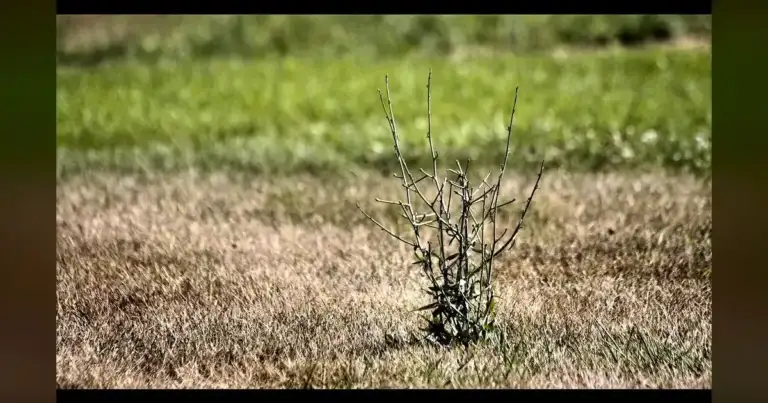
East Idaho officials are screaming about a “desperate summer” drought, claiming “record-low snowpack” and dire water shortages are coming. But step outside, Idahoans, and tell me what you see. The ground is still melting snow in many yards.

Farmers are scratching their heads. The public isn’t buying the panic porn. Frankly, neither should you.
The Idaho Department of Water Resources (IDWR) Director, Sarah Jenkins, declared on April 14, 2026, that “the data is clear: we are entering a critical period.” They cite snow water equivalent (SWE) in the Upper Snake and Bear River basins at a dismal 45-55% of average.
Sounds scary, right? A total disaster.
But here’s the kicker: actual NOAA data from SNOTEL stations paints a different picture. It shows East Idaho’s 2025-26 winter snowpack at a robust 95% median.
Ninety-five percent. Not 45% or 55%.
That’s almost double what the IDWR is pushing. So, which “data” are we supposed to believe?
The one from state bureaucrats or the one from actual measuring stations on the ground?
The Convenient Crisis
Farmers like John Peterson near Idaho Falls are indeed anxious, worried about “a complete disaster.” Mark Davies, President of the Idaho Farm Bureau Federation, is already asking for “immediate support from the state and federal government.”
Nobody wants farmers to suffer. But is this crisis being manufactured, or at least exaggerated, to trigger specific outcomes?
When state agencies push a narrative of extreme scarcity, it primes the public for drastic measures. The Idaho Water Resource Board just held an “emergency session” to discuss “drought declarations” and “enhanced water management.”
This means prioritizing water rights, potentially snatching water from “junior water right holders” – read: smaller farmers, recreational users. It means more state control over Idaho’s most precious resource.
Dr. Emily Chen, a climate scientist, is already parroting the “warming climate” line, calling this “a symptom.” Convenient, isn’t it? A crisis always justifies more power, more regulation, and more money for the agencies “managing” the problem.
RED MARKER
Let’s call this what it is: a coordinated effort to leverage public fear for political and bureaucratic gain. The IDWR and the Water Resource Board are pushing a “desperate summer” narrative, citing figures that conveniently ignore other data showing near-average snowpack for the region. The hypocrisy is glaring.
Why the massive discrepancy? Because a declared drought emergency opens the door to federal funds, allows for unprecedented state control over water allocations, and sets the stage for a massive power shift. When they talk about “equitable distribution,” they mean their distribution.
This isn’t just about water conservation; it’s about control. They’re not missing the point; they’re making a point, and it benefits them.
Ordinary Idahoans should be furious. They’re being told to brace for higher food prices, soaring energy costs due to less hydropower, and devastating wildfires—all while their own eyes and other data sources tell a different story.
This manufactured panic erodes trust and sets the stage for real issues down the line. Demand transparency.
Demand to know why their “data is clear” contradicts NOAA’s. Don’t let them scare you into giving up your water rights without a fight. The real drought might be a drought of accountability from our state officials.
Photo: Photo by Phil Roeder on Openverse (flickr) (https://www.flickr.com/photos/88876166@N00/7654304330)
Source: Google News