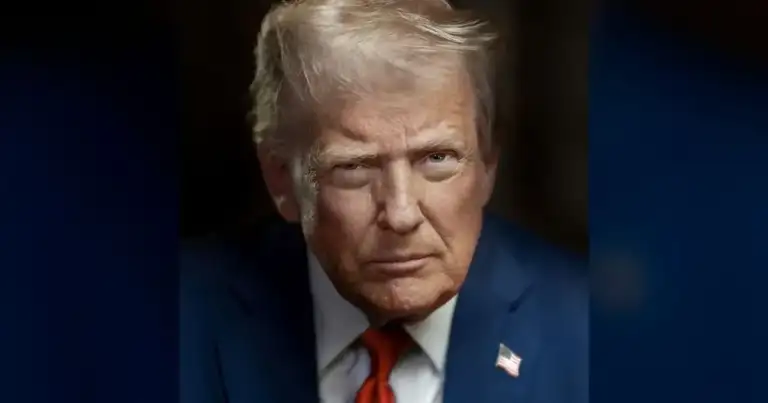

The U.S. Supreme Court slammed the door shut on Colorado’s attempt to remove Donald Trump from the ballot, ruling in March 2024 that states can’t unilaterally enforce the 14th Amendment’s Section 3 for federal offices.
Case closed, right? Not in Colorado. Not by a long shot.

This state, it seems, isn’t about to let Washington dictate the integrity of its elections, no matter how many robes are involved. For Coloradans, the fight isn’t over; it’s merely shifted.
The legal and political circles here are still buzzing, dissecting every word of the Trump v. Anderson decision. This isn’t about relitigating the past; it’s about what comes next for our state. What’s crystal clear is that Colorado isn’t just going to roll over and accept a federal ruling that feels like a bureaucratic punt, a convenient sidestep from a thorny issue.
The Constitutional Punt: Who’s Really Accountable?
The core of the frustration, laid bare at a recent University of Colorado Law School symposium, is simple, yet damning: the Supreme Court unequivocally dodged the real question.
Professor Sarah Chen from the University of Denver nailed it, observing that the justices “punted on the factual question of insurrection, focusing solely on the procedural mechanism of enforcement.” They told states they couldn’t act, but conveniently sidestepped the fundamental issue: did the original actions even warrant the clause in the first place?
This leaves a gaping, unaddressed wound in our constitutional fabric, a duty many Coloradans believe is still very much unresolved. It’s a profound dereliction, plain and simple.
“The Supreme Court punted on the factual question of insurrection, focusing solely on the procedural mechanism of enforcement. This leaves a lingering sense of unresolved constitutional duty for many who believe the amendment’s intent is paramount.”
— Professor Sarah Chen, University of Denver
Colorado’s Unfinished Business: State Safeguards
Advocacy groups like “Colorado for Constitutional Integrity” aren’t sitting still. They’re relentlessly pushing state lawmakers to figure out how Colorado can still establish clearer, more robust procedures for challenging eligibility, even within the narrow confines of the SCOTUS ruling.
This isn’t about defiance for defiance’s sake; it’s about safeguarding our ballot. We’re talking about legislation that could demand more rigorous disclosure from candidates, or even a framework for state courts to offer advisory opinions on eligibility questions.
Imagine a system where candidates must affirm adherence to constitutional principles, with real consequences for misrepresentation. No specific bill has hit the floor yet, but the talk among a bipartisan group of legislators is loud and clear.
They want to ensure the state has some teeth, a definitive roadmap, should Congress ever decide to actually do its job and empower states – a prospect that feels increasingly distant.
And let’s not forget the seismic political ripple effect. The original challenge didn’t just rattle the Colorado Republican Party; it tore it wide open, exposing deep, festering divisions that persist today.
As the 2026 midterms loom, Trump’s shadow remains long, casting a pall or a beacon, depending on your perspective. His endorsements, his every statement – they still ignite his base and infuriate his detractors, keeping the themes of election integrity and constitutional fidelity front and center in every Colorado race.
Is this merely legal theory? Absolutely not. This is raw, unvarnished political power, shaping the very landscape of our state’s future.
Colorado’s Unfinished Verdict: A State Defiant
The mainstream narrative out there wants you to believe this issue is settled, that the Supreme Court’s decision was the final, definitive word. Let’s be clear: that’s a load of horse manure.
What we’re witnessing in Colorado isn’t just academic debate or legal nitpicking; it’s a profound, visceral distrust in the federal government’s willingness to address fundamental questions of constitutional eligibility.
The Supreme Court effectively told states to stand down, to shut up, without actually resolving the core issue of whether insurrection occurred. This isn’t about “integrity” as much as it is about raw *control* – Washington’s control over the states.
Colorado leaders, on both sides of the aisle, are grappling with the unpleasant reality that Washington punted the ball, leaving states like ours to figure out how to maintain any semblance of ballot integrity themselves. It’s a power struggle, plain and simple, a fight for self-determination in the face of federal evasion.
Colorado isn’t giving up its right to define who belongs on its ballot, despite the federal bench trying to tie its hands. The 2028 election cycle is already being shaped by these “unresolved” questions, proving that the ‘case closed’ narrative is just wishful thinking from D.C. — a fantasy that won’t fly here.
Colorado will continue to lead, to push, and to demand accountability, because the integrity of our democracy demands nothing less.
Source: Google News