
A Community at a Crossroads: The Shooting of a 17-Year-Old Girl and Wilmington’s Urgent Need for Change
On the evening of April 7, 2026, Wilmington, Delaware, was again jolted by a tragic incident—a 17-year-old girl was shot near the East Side neighborhood, a locale grappling with decades of gun violence and socioeconomic challenges. As the young victim remains in critical but stable condition at ChristianaCare Wilmington Hospital, the broader implications of this event demand our immediate attention. This is not just another headline; it is a stark reminder that Wilmington is at a critical crossroads in its fight against violence and its struggle to protect its youth.
The Incident and Its Immediate Aftermath
Details released so far paint a grim picture: the teenage girl was shot during what police believe was a targeted attack. Despite ongoing police efforts, no arrests have been made, underscoring the challenges law enforcement faces in cracking down on gun violence. The Wilmington Police Department’s active investigation includes appeals for witnesses and surveillance footage, but the low clearance rate for shootings—below 30%—reveals systemic difficulties in bringing perpetrators to justice.
Community leaders have united in condemnation of the violence, voicing concerns that echo throughout Wilmington’s neighborhoods. The East Side, emblematic of the city’s higher crime rates and persistent poverty, has become a symbol of the ongoing crisis. Residents and officials alike recognize that this shooting is not an isolated incident but part of an alarming trend: Wilmington has experienced a 15% increase in shootings since last year, with nearly 40% of victims under the age of 21.
A Complex Problem Demanding Multifaceted Solutions
The responses to this tragedy highlight a fundamental tension in public safety discussions. Wilmington’s police chief has reaffirmed a commitment to restoring order, emphasizing the challenges posed by gang-related and random acts of violence. Yet, many youth advocates caution against relying solely on increased policing. They argue persuasively that sustainable change requires investment in education, mental health services, and economic opportunities—factors deeply intertwined with violence prevention.
City officials are attempting to navigate this complex terrain. Emergency funding proposals aimed at bolstering community policing and youth programs signal recognition of the crisis. However, these efforts must be balanced carefully to avoid exacerbating fears of over-policing and racial profiling, concerns voiced by segments of the community.
Lessons From Wilmington’s Past and the Path Forward
Historically, Wilmington has battled with gun violence for decades, often linked to entrenched economic disparities and persistent gang activity. Initiatives like the “Safe Streets” program once offered a glimmer of hope but ultimately faltered due to underfunding and lack of sustained support. The current crisis, exemplified by the shooting of this young girl, demands that Wilmington learn from past mistakes and commit to a long-term, comprehensive strategy.
“We are committed to finding those responsible and restoring safety to our neighborhoods,” said the police chief. Yet, restoring safety requires more than enforcement—it requires community healing, empowerment, and opportunity.
Wilmington’s future depends on a holistic approach that embraces both firm law enforcement and robust social support systems. Only by addressing the underlying causes—poverty, limited education, lack of opportunity, and mental health challenges—can the city hope to turn the tide on its shooting epidemic.
Conclusion: A Call to Action
The shooting of a 17-year-old girl is a devastating tragedy that no community should have to endure. It is a clarion call for Wilmington to commit resources, political will, and community passion to ending the cycle of violence. This moment must not pass without action. Whether through expanded youth programs, better mental health access, economic investments, or thoughtful policing reforms, Wilmington’s leaders and residents must come together to ensure no more of its young people become victims.
As the victim fights for her life, Wilmington must fight for its soul—transforming pain into progress and fear into hope.
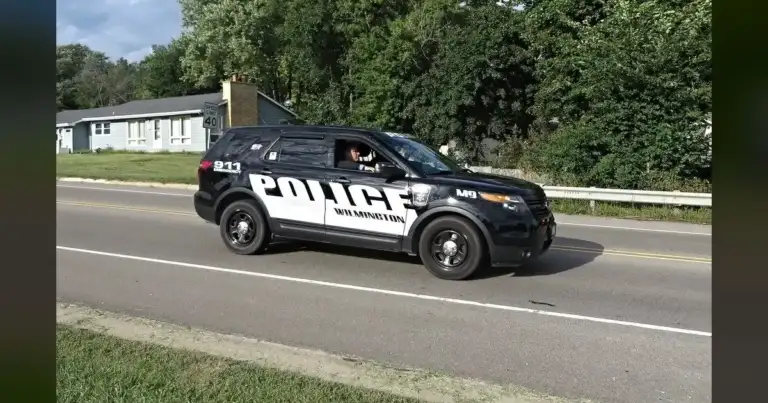
Photo: Photo by Inventorchris on Openverse (flickr) (https://www.flickr.com/photos/41694433@N08/21252507592)
Source: Google News