
A Deadly Reminder: Newark’s Fire Tragedy Demands Urgent Action on Residential Safety
In the early hours of April 6, 2026, a devastating fire tore through a residential building in Newark, New Jersey, claiming the life of a 58-year-old resident and displacing several others. This tragic incident, reported by PIX11 among others, is not simply an isolated event but a stark awakening to the ongoing dangers posed by aging urban housing infrastructure and inadequate fire prevention measures. As the city mourns its loss, it must confront the systemic issues that allow such tragedies to occur with alarming regularity.
The Tragedy and Its Context
The fire department responded swiftly, battling relentless smoke and navigating the complexities of an older multi-family residence. While several residents escaped injury, the fatality is a grim reminder of the peril inherent in many Newark buildings constructed before 1980—structures that constitute nearly 40% of fire-related injuries in the city. Preliminary investigations point toward a possible electrical fault, though definitive conclusions have yet to be made. Regardless of cause, the fire spotlights the vulnerability of older buildings that often lack modern safety features like functional smoke alarms and updated wiring.
Newark’s history with deadly residential fires is sobering. The 2019 fire that claimed three lives in a similar setting should have been a clarion call for improved fire safety enforcement and updated building codes. Yet, as recent statistics reveal, residential fires have increased by 15% compared to last year, and about a quarter of older residential buildings inspected are missing vital fire safety devices.
The Human Toll and Community Response
Behind the statistics lie real people—families grieving over lost loved ones, neighbors left displaced, and a community rallying to support those affected. The Newark mayor’s statement offering condolences and pledging assistance is heartfelt, but words must be followed by tangible actions. Local organizations have mobilized to provide emergency housing and resources, yet these efforts can only serve as temporary solutions without systemic change.
“This tragedy underscores the urgent need for comprehensive fire safety reforms,” said a community advocate. “Too many residents live in fear, knowing their homes may not protect them when disaster strikes.”
Accountability and the Path Forward
The fire department is continuing its investigation, and city officials have promised to inspect similar buildings in the neighborhood to identify and remedy fire hazards. However, this reactive approach must evolve into a proactive strategy. Strict enforcement of fire codes, mandatory upgrades for aging buildings, and regular safety inspections are imperative. Moreover, tenant protections need strengthening so that residents can demand safer living conditions without fear of retaliation.
Building owners have a critical role to play. Should investigations reveal negligence, accountability must be enforced to prevent future tragedies. But beyond blame, the city must invest in education, infrastructure, and emergency preparedness to safeguard vulnerable populations.
Why This Matters
The Newark fire is not simply a news headline—it is a profound societal challenge. It highlights the intersection of public safety, housing policy, and social equity. Particularly in economically disadvantaged neighborhoods, where older buildings are common and resources scarce, the risk is heightened. Addressing these issues is not just a matter of compliance, but a moral imperative to protect human lives.
As Newark mourns, the city and its leaders must seize this moment as a catalyst for meaningful reform. Ensuring that no other family suffers such loss due to preventable fire hazards is a responsibility that cannot be delayed.
In the end, every fire prevented is a life saved, every alarm installed a potential life preserved. Newark’s future safety depends on learning from this tragedy and acting decisively.
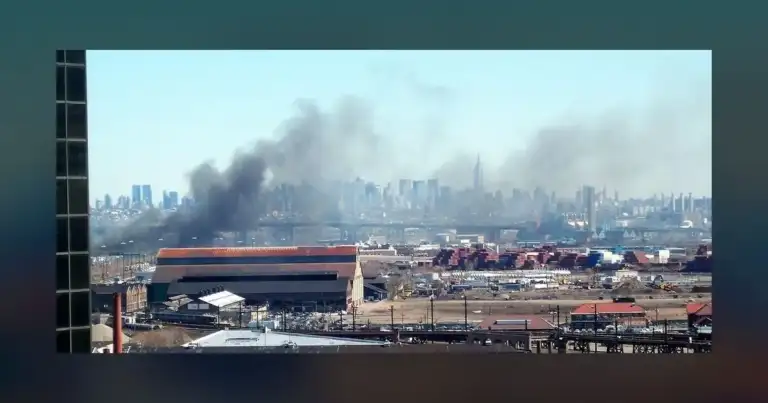
Photo: Photo by SheepGuardingLlama on Openverse (flickr) (https://www.flickr.com/photos/99385068@N00/2342332017)
Source: Google News