
South Florida’s Cuban Community and the Controversial Visit to Cuba
In early April 2026, a delegation of Democratic lawmakers embarked on a visit to Cuba, igniting a firestorm of emotions within South Florida’s Cuban-American community. For decades, this community has been a vocal and influential force in opposing the Cuban government’s authoritarian regime. The recent visit, framed by lawmakers as an effort to foster dialogue and explore avenues for human rights improvements, instead was met with vehement outrage, highlighting the enduring wounds and unresolved tensions rooted in history, politics, and identity.
A Deeply Personal and Political Backlash
Miami-Dade County, home to approximately 1.3 million Cuban-Americans—the largest Cuban community outside the island—reacted swiftly and forcefully. Many viewed the lawmakers’ visit not as a constructive engagement, but as a betrayal of the struggle that has defined generations of Cuban exiles and immigrants. For these residents, the Cuban regime is not a diplomatic interlocutor but a dictatorship responsible for decades of repression, censorship, and human rights violations.
“This visit sends the wrong message. It undermines everything our community has fought for over the past 60 years,” one community leader told CBS News. Calls for boycotts and protests against the lawmakers who visited Cuba have proliferated across social networks and local forums, signaling a deep mistrust and frustration toward what many see as misplaced political goodwill.
Their anger is rooted in real experiences: families torn apart by exile, stories of disappeared activists, and ongoing political prisoners on the island. For many Cuban-Americans, this delegation’s visit echoes a painful pattern of perceived concessions to a regime that has shown little genuine openness to reform.
The Lawmakers’ Defense and Diplomatic Intent
Democratic lawmakers, on the other hand, argue that engagement rather than isolation is the path forward. They maintain that the purpose of their trip was to open channels of communication with Cuban civil society groups, promoting dialogue on human rights and exploring economic opportunities that could eventually empower the Cuban people. Their stance reflects a growing bipartisan debate about the most effective strategy to promote change on the island. The delegation’s position is that constructive engagement can yield more tangible results than embargoes and sanctions, which they believe have often harmed ordinary Cubans more than the regime.
Nonetheless, this approach inevitably clashes with the lived realities and historical memories entrenched in South Florida’s Cuban community, complicating any efforts at rapprochement.
Implications for Local Politics and Economy
The fallout from this visit has already begun to ripple through Miami’s political landscape. Cuban-Americans are a key voting bloc in Florida, historically leaning Republican but showing increasing Democratic engagement in recent years. This controversy threatens to deepen political divides, forcing politicians on both sides to navigate a delicate balance between appealing to core constituencies and pursuing broader foreign policy goals.
Economically, Florida and Cuba remain linked through billions in trade, remittances, and tourism. Business groups watching the situation are cautious; any deterioration in U.S.-Cuba relations or heightened community tensions could impact these vital connections.
Looking Ahead: Bridging a Complex Divide
The events of the past week underscore that any attempt to thaw relations with Cuba must reckon with the profound pain and skepticism of the Cuban exile community in South Florida. Their voice is not only integral but essential to a nuanced policy that honors both the pursuit of human rights and the lived history of exile and resistance.
As policymakers consider the next steps, they must strive for transparency, inclusion, and respect for the community whose ancestors paid a steep price for freedom. Without this, well-intentioned diplomatic overtures risk alienating the very stakeholders whose support might be crucial for lasting change.
In the end, the clash over the visit to Cuba is a powerful reminder that foreign policy is not just about geopolitics—it is deeply personal, especially when it touches the hearts and histories of communities who have carried the burdens of exile and hope for generations.
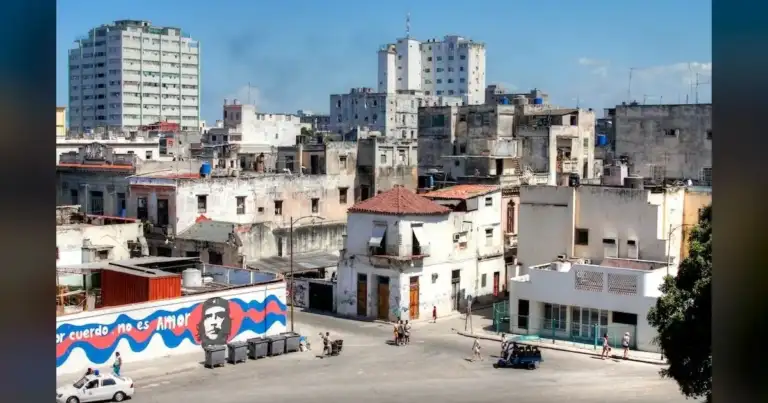
Photo: Photo by @Doug88888 on Openverse (flickr) (https://www.flickr.com/photos/29468339@N02/7005661014)
Source: Google News