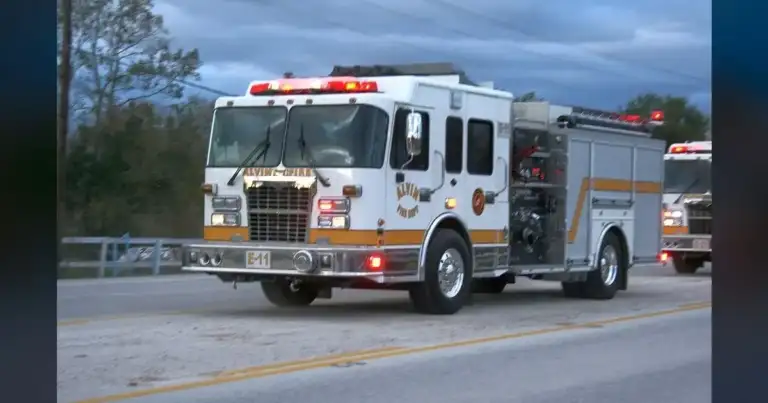

Dover House Fire Exposes Persistent Gaps in Community Safety and Preparedness
In the early hours of a spring morning in Dover, Delaware, a devastating house fire left three individuals injured, two of whom remain in critical condition. This tragic incident, unfolding within the city limits, has cast a harsh spotlight on issues that have long simmered beneath the surface in the community: fire safety preparedness, housing standards, and the capacity of emergency response systems to protect vulnerable residents.
A Close Call That Demands Our Attention
Firefighters responded promptly to the inferno, battling hazardous conditions to rescue those trapped inside. Their heroic efforts undoubtedly saved lives, but the aftermath raises urgent questions. While the exact cause of the fire remains under investigation, preliminary indicators and eyewitness accounts suggest the fire may have been accidental. Neighbors heard smoke alarms and saw flames early on, yet the damage was substantial enough to leave two residents in intensive care and a third injured.
“Smoke alarms save lives,” emphasized the Dover Fire Department in their recent statement. However, despite this crucial safety tool, older homes in Dover often lack adequate installation, a vulnerability that has been highlighted repeatedly over the years.
Statistically, smoke alarms reduce fatal fire injuries by 50%, yet many older homes lag behind state averages in installation rates. This discrepancy is not just a statistic; it is a harsh reality for those who live in aging housing stock, often in lower-income neighborhoods, where resources and awareness about fire safety are inadequate.
The Broader Context: A Community at Risk
Delaware has witnessed an 8% year-over-year increase in residential fires, with the Dover Fire Department handling approximately 150 fire-related calls monthly, 20% of which are house fires. These numbers underscore a growing challenge for the city’s emergency services. Past fires have prompted city-wide campaigns to improve fire safety, including widespread smoke detector installations and educational outreach. Yet, compliance and enforcement continue to fall short, especially in older, less-resourced communities.
This recent fire is not an isolated event but part of a disturbing pattern. Previous incidents have sometimes resulted in fatalities, sparking debates over housing safety standards and the level of funding allocated for emergency response and fire prevention programs. Despite heightened awareness, the pace of change remains agonizingly slow.
Voices from the Community: Fear, Resilience, and the Need for Action
The families affected by this tragedy face profound trauma and uncertainty. Beyond the immediate medical care, there is a pressing need for psychological support and financial assistance, given that critical burn injuries often incur medical costs exceeding $100,000 initially. Neighbors express shock and growing concern about fire safety, calling for stricter measures and better preparedness to prevent future tragedies.
City officials have pledged their commitment to thorough investigation and support for victim families, while also reviewing fire safety protocols. Yet, there is a tangible tension as some community members question whether local government and emergency services are equipped to meet the heightened demands of a population with aging infrastructure and growing vulnerabilities.
Moving Forward: Bridging the Gap Between Awareness and Action
This Dover house fire is a stark reminder that fire safety cannot be relegated to reactive measures alone. It must be integrated into the very fabric of community life—through robust enforcement of safety codes, accessible education programs, and proactive support for residents, especially those in older homes. Smoke alarms, sprinkler systems, and clear evacuation plans should be mandatory and maintained rigorously.
Furthermore, the city must prioritize funding and resources for its fire department and emergency medical services. Responders face increasing call volumes and complex rescue scenarios, stretching their capacity and risking worse outcomes without adequate support.
Ultimately, the tragedy in Dover challenges us all to reflect on the value of human life and the responsibilities borne by communities and governments alike. It is a call to action to bridge the gap between awareness and concrete change, ensuring that no family must endure the heartbreak and hardship wrought by preventable house fires.
Our safety depends not only on quick responses in emergencies but on sustained, collective efforts to prevent those emergencies from happening in the first place.
Photo: Photo by Noel C. Hankamer on Openverse (flickr) (https://www.flickr.com/photos/12926199@N08/4154226625)
Source: Google News