
The Unseen Risks of Firefighter Training: Reflecting on the Chelmsford Incident
On April 6, 2026, a Chelmsford firefighter was seriously injured after a fall during a training exercise at the Massachusetts Firefighting Academy in Stow. This alarming incident throws into sharp relief the inherent dangers that firefighters face—not only on the front lines of emergencies but also during their routine training. While the specifics of the injury remain confidential out of respect for the family, the repercussions ripple far beyond the individual and his department, raising critical questions about the safety protocols and oversight of firefighter training programs statewide.
Training: The Crucible of Firefighter Readiness
The Massachusetts Firefighting Academy is the backbone of firefighter education in the state, responsible for preparing recruits and providing ongoing training for seasoned firefighters. These exercises are designed to mimic the harrowing conditions firefighters face in the field, from navigating smoke-filled buildings to rescue operations under extreme stress. However, as the recent fall tragically reveals, the very environments created to prepare firefighters for danger carry their own risks.
Nationally, firefighter training injuries make up around 6% of all firefighter injuries, according to the National Fire Protection Association (NFPA). While this percentage might seem modest, each injury has profound consequences for the individual, their families, and the departments they serve. Many injuries occur during physically demanding scenarios that leave little margin for error.
Accountability and the Need for Rigorous Safety Audits
In the wake of the Chelmsford firefighter’s injury, the Massachusetts Firefighting Academy has suspended the specific training exercise involved pending a thorough internal investigation. The Chelmsford Fire Department and the Department of Fire Services are cooperating fully, reflecting how seriously the fire service community takes such incidents.
Firefighter unions have rightly used this moment to call for comprehensive safety audits across all training protocols. These calls are not just about rectifying one accident but about preventing future tragedies. The reality is simple: training programs must maintain the highest standards of safety to protect those who protect us daily.
Firefighter training is not a game or routine task; it is a critical preparation for life-threatening scenarios — and it must be treated with the utmost care.
Balancing Safety and Realism
Training exercises must strike a delicate balance between realism and safety. The more realistic the training, the better prepared firefighters are for the chaos of actual emergencies. Yet realism can increase risks, particularly if safety protocols are not rigorously enforced or if budget constraints lead to insufficient oversight or inadequate equipment maintenance.
Some members of the community have expressed concerns about whether budgetary pressures might be impacting the quality and safety of training programs, a valid issue that deserves examination. Fire departments nationwide operate within tight fiscal realities, but when it comes to training those who save lives, cost-cutting must never undermine safety.
Community Support and Looking Forward
The outpouring of support for the injured Chelmsford firefighter from the local community underscores how deeply firefighters are valued. It is a reminder that behind the helmets are individuals who face perilous conditions not only during emergencies but throughout their entire career, including training.
As the investigation progresses, the primary hope is that lessons will be learned, safety protocols enhanced, and more robust measures implemented to prevent similar incidents. The ultimate goal is clear: to ensure that every firefighter returns safely from both training grounds and emergency scenes.
“Our firefighters put their lives on the line every day. It is our responsibility to ensure their safety during every phase of their work,” stated a union representative. This sentiment resonates across the firefighting community and the public alike.
Conclusion
The injury of the Chelmsford firefighter at the Massachusetts Firefighting Academy is a sobering reminder that the path to heroism is fraught with peril at every step—training included. It should compel all stakeholders, from academy administrators to state officials and local governments, to double down on safety investments and oversight. Firefighters deserve nothing less than the safest possible environment to learn and hone their skills, so that when emergencies arise, they can face them with confidence and a full return home.
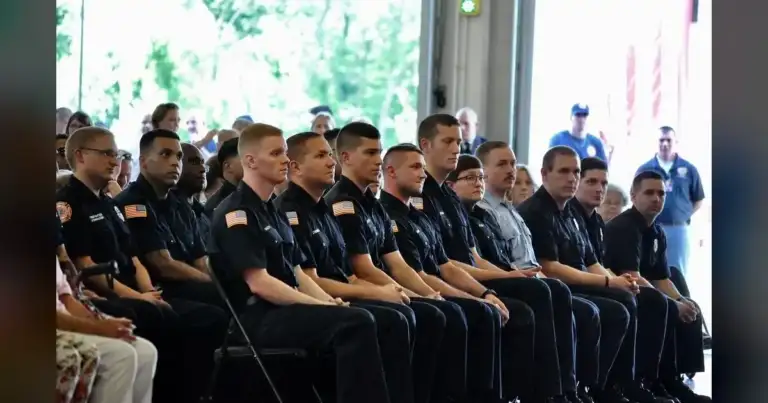
Photo: Photo by Paddyj1325 on Openverse (flickr) (https://www.flickr.com/photos/71335535@N03/35557490365)
Source: Google News