
Alaska’s Bear Predator Control Program Faces Legal Attack — But Who’s Really Fighting for Alaskans?
On April 5, 2026, environmental and indigenous groups sued to stop Alaska’s bear predator control program, targeting aerial gunning and trapping. But this legal move threatens the livelihoods of rural Alaskans who depend on the program to protect their livestock and safety.
The Alaska Department of Fish and Game (ADF&G) culled about 200 bears in 2025 after a 15% rise in livestock predation over three years devastated ranchers and subsistence hunters. This isn’t reckless slaughter—it’s a response to real threats facing rural communities.

Rural Realities Clash with Urban Environmentalism
Many rural Alaskans see this lawsuit as an attack on their way of life. Online forums like Reddit’s r/Hunting and local Facebook groups are filled with anger, calling the Alaska Wildlife Alliance (AWA) “eco-terrorists” backed by out-of-state activists who don’t understand rural hardships. One commenter said bluntly: “City vegans have never seen a starving Yup’ik family. Bears are fat, moose are ghosts.”
Urban environmentalists praise the lawsuit as ethical wildlife stewardship. But they ignore the consequences for Alaskans who rely on predator control to protect property and reduce dangerous bear encounters. Is this about bears—or controlling Alaska’s wilderness narrative from afar?
The Science They Ignore—and the Hard Questions They Refuse to Answer
- Does bear culling disrupt ecosystems? Possibly. But what about the unreported injuries to humans and livestock the program prevents?
- Are non-lethal methods effective? State data shows limited success and increased public safety risks.
- Why does the lawsuit ignore the 15% rise in bear attacks and economic losses documented by ADF&G?
The lawsuit oversimplifies complex trade-offs. It uses indigenous voices selectively, ignoring that some rural indigenous communities support predator control to protect subsistence resources.
Who Pays the Price If This Program Dies?
If the predator control program ends, ranchers will lose livestock, hunters will lose game, and bear encounters will become more frequent and dangerous. This lawsuit’s idealism risks turning Alaska’s wilderness into a sanitized playground for urban activists, detached from rural survival struggles.
“Our priority is to ensure public safety and protect the livelihoods of Alaskans who depend on livestock and hunting,” said an ADF&G spokesperson on April 6, 2026.
The Alaska Wildlife Alliance’s stance that “killing bears is not the answer” romanticizes wilderness while ignoring the real dangers and economic damage caused by unchecked bear populations.
Alaska’s Courts Must Choose: Protect Rural Alaskans or Bow to Urban Activist Agendas
This lawsuit is about more than bears—it’s a fight for Alaska’s future. If courts ignore rural realities, they threaten not just predator control but the people who live alongside these predators.
Alaska needs policies that protect both wildlife and the people who depend on them. The state government must stand with rural families, not distant activists who don’t grasp what’s at stake.
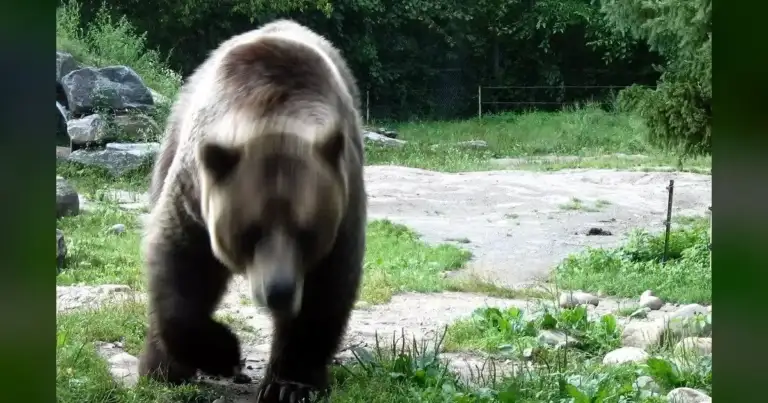
Photo: Photo by Loozrboy on Openverse (flickr) (https://www.flickr.com/photos/30624156@N00/3879190908)
Source: Google News