
The Unseen Harvest: How Distant Conflicts Are Shaping Utah’s Dinner Tables
Utah, a state celebrated for its soaring red rock canyons and pristine mountain peaks, often feels a world away from the geopolitical tremors of the Middle East. Yet, a quiet crisis is unfolding across our verdant valleys and high desert plains, a direct consequence of distant conflicts. Our dedicated farmers, the backbone of Utah’s agricultural heritage, are facing unprecedented pressures as fertilizer costs skyrocket, largely due to the simmering tensions between the U.S. and Iran. This isn’t just about farm ledgers; it’s about the very fabric of our local economy, the sustainability of our food supply, and the future of our family farms.From Tehran to Tooele: The Ripple Effect on Utah’s Fields
The connection might seem abstract: how does an international standoff in the Persian Gulf impact a farmer in Cache Valley? The answer lies in the intricate global supply chain. The U.S.-Iran conflict, while not punctuated by daily headlines of direct military action, sustains elevated energy prices and disrupts shipping routes. Natural gas, a fundamental component in nitrogen fertilizer production, becomes more expensive. Shipping costs, particularly for vital imports like potash and phosphates, climb steadily. For Utah farmers, already navigating the vagaries of weather and market fluctuations, this translates into a devastating surge in input costs. Consider the alfalfa farmer, a common sight across our agricultural heartland. With fertilizer prices jumping from around $400/ton to over $600/ton, and with alfalfa itself fetching market prices that barely cover costs, many are teetering on the edge. These aren’t just statistics; these are families making agonizing decisions: Do they cut back on essential nutrients, risking lower yields? Do they take on more debt, hoping for a market correction that feels increasingly elusive? The mental toll, often ignored, is immense. This isn’t merely a business challenge; it’s a test of endurance for those who feed us.The Public’s Eye: Why the Cynicism Misses the Mark
In the age of instant information and pervasive skepticism, one might encounter a cynical shrug: “Another crisis? Another excuse for prices to go up?” Some might even question the direct link, suggesting that “global conflict” is a convenient scapegoat for corporate greed or a “performance” to justify rising food costs. This dismissive attitude, while understandable given the constant barrage of news, fundamentally misunderstands the precarious reality of our agricultural sector. The idea that farmers or even fertilizer companies are orchestrating these price hikes for nefarious gain misses the mark entirely. Small and medium-sized family farms, the very heart of Utah’s agriculture, are losing in this scenario. Their margins are shrinking, their debt is rising, and their livelihoods are under direct threat. They are not the beneficiaries; they are the frontline victims of global instability. The “performance” isn’t on their part, but rather the stark, undeniable performance of a global economy where distant geopolitical chess games have very real, very painful consequences for local communities. To ignore this direct link is to ignore the genuine struggle unfolding in our own backyard.Beyond the Harvest: The Broader Impact on Utah
The consequences of this crisis extend far beyond the farm gate.- Food Affordability: Higher fertilizer costs inevitably translate to higher food prices at our grocery stores. Every Utahn, regardless of income, will feel the pinch, making healthy, locally-sourced food less accessible.
- Economic Stability: Agriculture contributes over $2 billion to Utah’s economy. When farmers struggle, so do the rural communities they support – the local equipment dealerships, the feed suppliers, the small-town businesses that rely on a thriving agricultural base.
- Environmental Concerns: Under severe financial pressure, farmers might be forced to forgo sustainable practices, impacting soil health, water quality, and the long-term ecological balance of our state.
- Cultural Heritage: Utah’s identity is deeply intertwined with its pioneering agricultural roots. The loss of family farms due to economic pressures erodes this invaluable heritage.
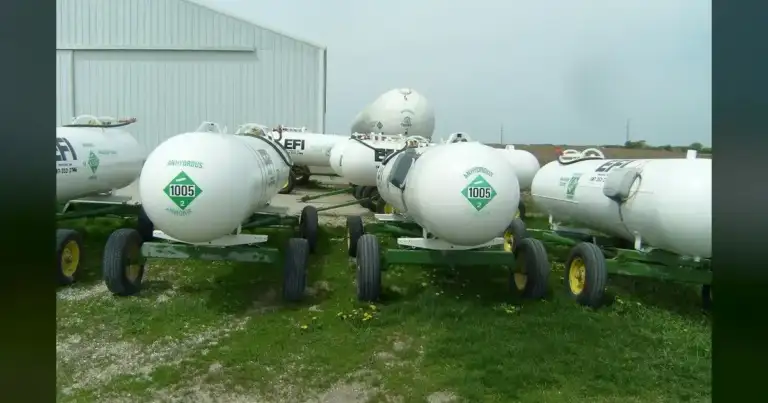
Photo: Photo by Thirteen Of Clubs on Openverse (flickr) (https://www.flickr.com/photos/74163253@N00/4617875064)
Source: Google News