

Nature’s Feast on O‘ahu’s Shores: A Stark Reminder of the Wild Heart of Hawai‘i
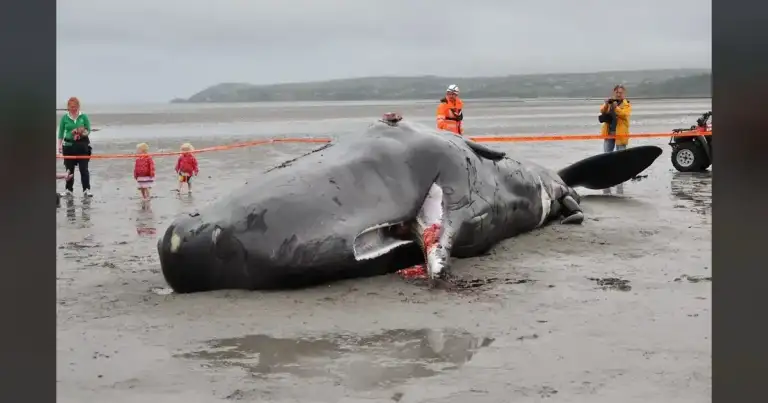
The turquoise waters off O‘ahu’s southwest coast, usually a playground for snorkelers and surfers, have transformed. Near Kahe Point Beach Park, affectionately known as Electric Beach, a somber spectacle unfolds: the remains of a majestic sperm whale, drawing an audience of nature’s most efficient predators – tiger sharks. This isn’t a scene from a documentary; it’s a living, breathing testament to the untamed beauty and raw power of Hawai‘i’s marine ecosystem, playing out just offshore. For days now, the approximately 40-50 foot whale carcass has been a magnet for these apex predators. Local reports and even some intrepid (and perhaps foolhardy) observers confirm multiple tiger sharks, some exceeding ten feet, are actively feeding. The Department of Land and Natural Resources (DLNR) and Ocean Safety officials have been unequivocal: stay out of the water. Warning signs are posted, patrols are active, and the message is clear – this is not the time for an ocean dip. Yet, beyond the immediate warnings, what does this unfolding drama truly tell us about our relationship with the wild, and how we perceive risk in paradise?The Unseen Currents: Beyond the Shark Frenzy
While the image of sharks circling a whale carcass is undeniably dramatic, the story runs deeper than just a thrilling headline. For the sharks, this is a natural, vital part of their existence—a rare, abundant feast that sustains them. Ecologically, it’s a critical process of nutrient cycling, returning vast amounts of energy to the marine environment. For us, however, it presents a fascinating dichotomy: the allure of nature’s spectacle versus the very real imperative of public safety. The public’s reaction, especially among kama‘āina, has been remarkably pragmatic. There’s no widespread panic or conspiracy theories swirling on local social media. Instead, it’s a collective nod to the inevitable, a recognition that in Hawai‘i, we share our home with powerful forces. As one local quipped, “Tiger sharks gatecrashing the whale luau—who invited them?” It’s a testament to a community that understands these islands are not just idyllic backdrops but dynamic, living systems. This isn’t a manufactured crisis; it’s nature in its rawest form, and we are merely observers.Navigating the Wild: Public Safety and Local Wisdom
The DLNR and Ocean Safety are doing their part, diligently monitoring the situation and advising caution. They remind us that while the ocean offers unparalleled beauty, it demands respect and awareness. This isn’t the first time Hawai‘i has witnessed such an event, and it certainly won’t be the last. Past incidents, like the humpback whale carcass near Maui in 2013 or another sperm whale off Kaua‘i in 2017, prompted similar warnings and beach closures. The playbook is well-established: prioritize public safety, and allow nature to take its course where possible.“We are urging the public to stay out of the water in the vicinity of Kahe Point. The presence of a large whale carcass is a known attractant for sharks, particularly tiger sharks, and the risk to ocean users is extremely high right now.” – Dan Dennison, DLNR SpokespersonThe immediate concern is, of course, the increased shark activity. But the long-term questions linger: What is the plan for managing the carcass? Will it be towed out to sea, allowing it to decompose naturally away from our shores, or will other, more logistically complex options be considered? These decisions involve balancing environmental impact, public safety, and the sheer challenge of moving something of this immense scale. For now, the focus remains on keeping people safe and informed.
An Invitation to Observe, From a Distance
This event serves as a potent reminder of the untamed heart of Hawai‘i, a place where wild encounters are not just possible, but integral to the very essence of the islands. It’s a chance to observe, from a safe distance, the intricate dance of life and death that shapes our oceans. So, as the sun sets over Kahe Point, casting long shadows over the surf, let us remember that while we are guests in this incredible ecosystem, the ocean always has the final word. Instead of rushing to the shoreline for a glimpse, consider supporting the local businesses in the area that might be feeling the temporary slowdown. Or, better yet, explore other breathtaking, and currently shark-free, wonders O‘ahu has to offer. The ocean will restore itself, and these majestic creatures will eventually disperse, leaving behind a cleaner, albeit wilder, stretch of coastline. https://www.spectrumnews1.com/hi/hawaii/news/2026/03/30/dead-sperm-whale-attracting-tiger-sharks-to-oahu-s-southwest-shorePhoto: Photo by JulieRed on Openverse (flickr) (https://www.flickr.com/photos/26053177@N03/6065524275)
Source: Google News