A JetBlue flight departing from Rhode Island T.F. Green International Airport (PVD) recently experienced a jarring “thud” during takeoff, revealing an untamed world just beyond our constructed boundaries. This wasn’t just a delayed flight; it was a stark reminder of nature’s uncomfortable intersection with our pursuit of efficiency.
On April 1, 2026, a JetBlue aircraft, bound for New York City, encountered a coyote during its takeoff roll. A passenger, whose account was shared via CBS News, vividly recalled the unsettling sound. The pilot immediately aborted the takeoff, bringing the aircraft to a safe halt.

While the quick action averted a serious incident, it highlighted an ongoing challenge for our state: the increasing presence of wildlife in unexpected places. This raises questions about our approach to both progress and preservation.
The Unseen Battle on the Tarmac
This incident wasn’t merely an unfortunate accident; it spotlighted the continuous, often unseen, efforts airports undertake to ensure safety. We often praise aviation’s marvels but rarely consider the constant vigilance required to keep runways clear. PVD, like airports worldwide, employs strategies to deter wildlife, from habitat modification to hazing.
Yet, as Rhode Island’s coyote population thrives and expands, these cunning creatures venture into areas previously thought immune to their presence. The “thud” heard by passengers is more than just a sound; it’s the cost of our encroachment. As urban and suburban sprawl continues, habitats shrink, forcing wildlife, including coyotes, into closer proximity with human activity.
This incident at T.F. Green isn’t an isolated anomaly; it’s a symptom of a broader ecological shift. Are we doing enough to manage these interactions proactively? Or are we waiting for the next “thud” to prompt a reactionary response?
Beyond the Delay: What This Means for Rhode Island
While JetBlue works to re-accommodate passengers and inspect its aircraft, and airport officials review protocols, the incident leaves a lingering question for Rhode Islanders: what is the true cost of this intersection? For the airline, it’s financial – delays, potential repairs, logistical headaches. For the passengers, it’s lost time and a moment of genuine fright. But for our state, it’s a moment to reflect on our responsibility to both our infrastructure and our natural inhabitants.
This isn’t about villainizing wildlife; it’s about understanding the complex dynamics at play. Rhode Island, with its unique blend of coastline, urban centers, and natural spaces, is a microcosm of this larger challenge. The presence of coyotes near a major airport isn’t just an aviation safety issue; it’s a Rhode Island issue, reflecting changes in our local ecosystems.
Consider the implications:
- Airport Security: How effective are current wildlife management protocols against intelligent and persistent predators like coyotes? Are we truly prepared for the next encounter, or are we just hoping for the best?
- Ecological Balance: What does a thriving coyote population mean for other local wildlife, and how does it impact human-wildlife coexistence? This isn’t just about coyotes; it’s about the entire delicate web of life in our backyard.
- Local Economy: Beyond the immediate flight delays, what are the long-term economic impacts of such incidents on an airport like PVD, a crucial gateway to our state? Every delay, every repair, every canceled flight chips away at our competitiveness.
This incident at T.F. Green serves as a potent reminder that even in our most technologically advanced environments, nature finds a way to assert its presence. It challenges us to look beyond the immediate inconvenience and consider the deeper implications for our state. Perhaps it’s time for a more comprehensive, integrated approach to wildlife management that acknowledges the realities of a changing Rhode Island, ensuring both safety in the skies and respect for the natural world beneath them. We can do better than simply reacting; we must lead with foresight.
What are your thoughts on this unexpected encounter? How do you believe Rhode Island should manage the growing intersection of development and wildlife? The conversation, much like the runway, remains open, and the stakes are higher than ever.
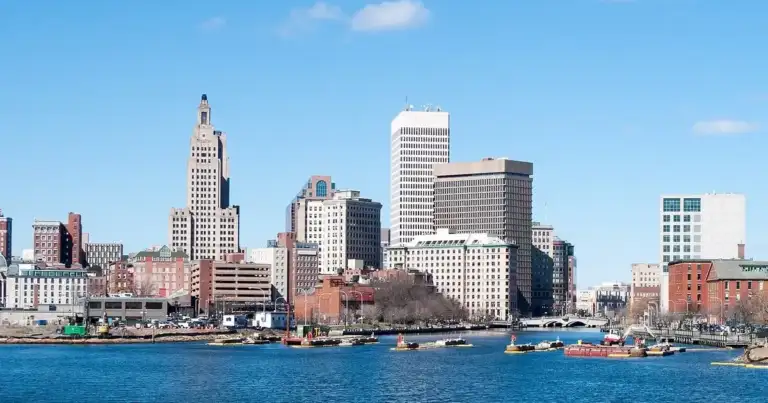
Photo: Photo by caribb on Openverse (flickr) (https://www.flickr.com/photos/87857621@N00/2877074340)
Source: Google News