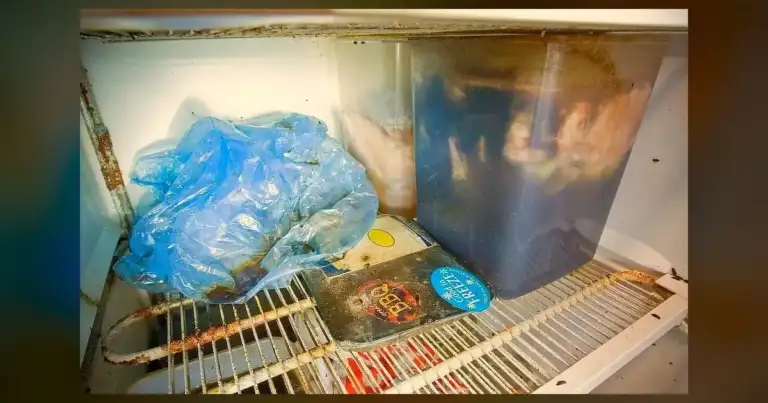


Chattanooga’s Gnat-Infested Kitchens: More Than Just a Health Hazard
Chattanooga’s kitchens are crawling. Not just with gnats, but with the stench of negligence and the predictable outrage of a public fed up with being served filth. Local 3 News recently blew the lid off more health code violations, citing restaurants for everything from live gnats to bare-handed food prep and dangerously warm “cool” foods. This isn’t just about a few bad apples; it’s a systemic rot, and the Tennessee Department of Health is, once again, reacting instead of preventing.The Usual Suspects, The Usual Excuses
The excuses are as stale as the bread served at these establishments. “Routine inspections,” the Department of Health claims. Routine? More like reactive. It took a news report to highlight what inspectors should be catching proactively. Dr. Eleanor Vance, a spokesperson for the Tennessee Department of Health’s Food Safety Division, spouted the usual bureaucratic pabulum:“Our primary goal is to ensure the safety of the public… These inspections are not about shutting down businesses, but about working with them to uphold the standards necessary to prevent foodborne illness.”“Working with them”? That sounds an awful lot like coddling. When diners are risking E. coli from “cockroach sushi roulette,” as one Redditor accurately put it, “working with” these businesses isn’t enough. It’s time for enforcement, not gentle nudges.
Follow the Money, Find the Flies
Let’s talk about the real cost. These restaurants, like 100 Habachi (score 78), Fuji Steak (score 79), and Attack of the Tatsu (score 81), aren’t just serving questionable food; they’re risking public health for profit. The average fine for critical violations ranges from $50 to $1,000. Is that a deterrent? Absolutely not. For a business pulling in thousands daily, a $1,000 fine is a rounding error, a cost of doing business. It’s cheaper to pay the fine than to invest in proper hygiene, staff training, or pest control. The Tennessee Department of Health recorded over 1,500 critical violations statewide in 2023. This isn’t an anomaly; it’s a pattern. What’s the true economic impact on the public? Lost wages from foodborne illness, medical bills, and the erosion of trust. Who benefits from lax enforcement? The scofflaw restaurants and the Department of Health, which gets to look busy without truly solving the problem. Who gets screwed? The diners of Tennessee.Public Outrage: A Symptom, Not a Cure
The public’s reaction is a potent mix of disgust and cynical resignation. Social media is ablaze. “Barehanding rice? That’s not inspection, that’s a horror movie audition,” screamed one Reddit user. Memes of roaches “swimming laps” in soy sauce are viral. The sentiment is clear: “Local 3 drops weekly roach reports like clockwork—why even eat out here?” https://www.local3news.com/local-news/restaurants-cited-for-live-gnats-bare-handed-employees-improperly-cooled-foods/article_02b3c7e4-f3c9-11ee-8656-778804e0e8e.html But outrage alone doesn’t fix systemic issues. The public’s frustration is justified, yet it often devolves into racist dog whistles against “immigrant-owned spots” or conspiracy theories about “staged for clicks” inspections. This distracts from the real issue: a regulatory body that fails to hold all establishments equally accountable. Why are these violations so common? Is it truly a lack of resources for small businesses, or is it a lack of will to enforce existing regulations? Are inspectors adequately trained? Are fines sufficient? Are temporary closures used often enough? The Department of Health needs to answer these questions with action, not platitudes. Until they do, Chattanooga diners should assume every meal comes with a side of risk. Demand better. Demand real enforcement.Photo: Photo by Dave Wilson Cumbria on Openverse (flickr) (https://www.flickr.com/photos/7424779@N05/2408011780)
Source: Google News