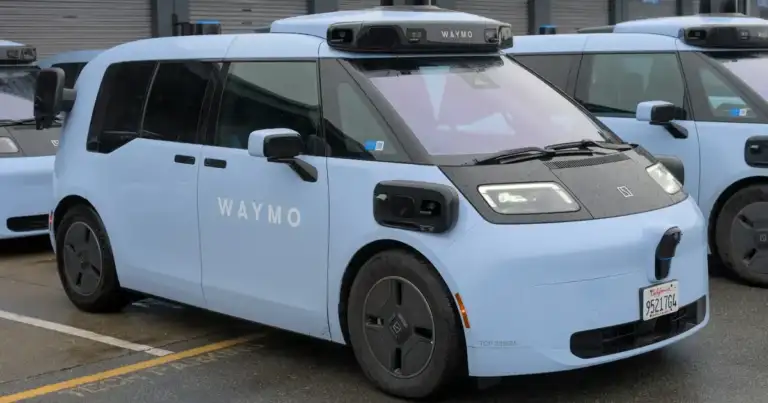

Hold onto your hats, Nashville. City cops just got the green light to ticket a robot car.
Tennessee has officially armed its police with the power to issue citations to driverless vehicles. These are the very ones from tech giants like Waymo that promise a frictionless future. But here in Music City, the rubber just hit the road, and it’s hitting with a state-issued citation book.

Governor Bill Lee signed House Bill 1891/Senate Bill 2455 into law on April 17, 2024. This legislation sends a clear, unmistakable signal from Tennessee.
Local reports, including WZTV, highlight this isn’t a minor tweak to traffic laws. It’s about asserting local control, putting a firm collar on autonomous vehicle (AV) tech. This proactive strike ensures these silent, self-driving machines won’t operate unchecked as they expand into Tennessee’s urban centers.
Who’s Really in the Driver’s Seat?
On the surface, it’s all about accountability. If a driverless car blows a red light or parks illegally, who gets the blame? Who pays the fine?
This law cuts straight to the chase, placing responsibility squarely on the operating company, like Waymo. But peel back that veneer, and you see the real battle unfolding.
Tech companies, with their “move fast and break things” mantra, notoriously chafe at oversight. Yet local governments are ultimately accountable for public safety and the smooth operation of their streets.
This isn’t just about some theoretical rogue robot causing a fender bender. This is about establishing clear jurisdiction.
It ensures that when Waymo or any other AV company makes Nashville a testing ground, they operate under state and city parameters. These rules are not dictated by Silicon Valley engineers.
It’s a necessary, powerful assertion of authority, a line drawn definitively in the asphalt of our city.
The Road Ahead for Autonomous Tech in TN
While the immediate impact might seem negligible – how often will a cop really pull over an empty car? – the precedent this sets is colossal.
It lays down a foundational framework for how Tennessee intends to engage with the rapidly advancing AV industry.
Expansion will come with firm strings attached. Local law enforcement retains power to enforce traffic laws, regardless of whether a human or an algorithm is at the controls.
This isn’t just about safety. It’s about who truly governs public space when technology races ahead of legislation. It’s about ensuring our streets remain ours.
Madeline Cooper’s Red Marker Verdict: Don’t kid yourself. This isn’t just about ensuring a Waymo doesn’t run over Grandma. While “accountability” is the polite word, this law is a brass-knuckle power play. Nashville, backed by the state, is sending a crystal-clear message to every tech titan eyeing our streets: You want to make money here? You play by our rules. This law establishes local leverage for future negotiations, potential fees, and revenue streams. It’s about asserting dominion over public infrastructure and ensuring big tech doesn’t get a free pass, plain and simple. It’s control, not just caution.
The coming years will show whether this Tennessee law becomes a formidable blueprint for other cities grappling with AV expansion, or if it merely marks the opening salvo in a much larger, protracted battle for control over our urban landscapes.
One thing is absolutely certain: Tennessee isn’t passively waiting for the future to happen to it; it’s actively, decisively shaping how that future will operate, and it’s doing so entirely on its own terms. The message is clear: Nashville is open for business, but not for anarchy.
Source: Google News