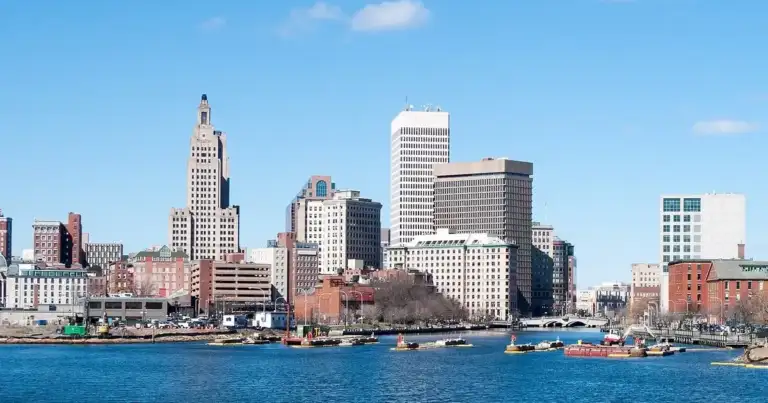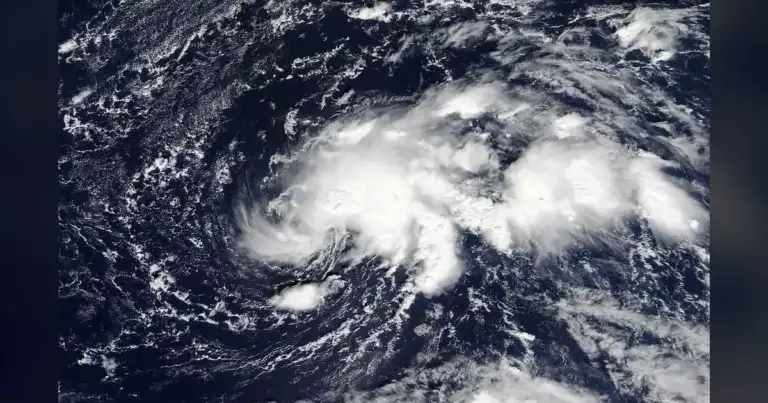

Providence, the “Creative Capital,” just added another notch to its belt – or so the headlines scream. We’re told that “Storm Ophelia,” a late-season nor’easter, delivered a staggering 28.3 inches of snow to T.F. Green Airport, officially eclipsing the legendary 28.0 inches from the Blizzard of ’78. A new chapter in Rhode Island’s storied winter history, right? Perhaps. But the air is thick with more than just snowflakes; it’s swirling with a healthy dose of skepticism from those who truly know our Ocean State.
Record-Breaking or Reality-Bending?
A significant amount of snow fell. Our intrepid emergency services, the tireless crews at National Grid, and our Public Works departments deserve every accolade for their relentless efforts. Over 150,000 Rhode Islanders lost power, and entire communities ground to a halt. This was no dusting. But did we truly witness a record-shattering event that eclipses the mythic ’78 blizzard in the popular imagination? The immediate, visceral reaction from Rhode Islanders across social media suggests a resounding “no.”
The Blizzard of ’78 wasn’t just a snowstorm; it was a societal reset. It delivered thundersnow, hurricane-force winds, and left us paralyzed for weeks, not days. Roads were impassable, coastal areas ravaged, and the sheer scale of the disruption etched itself into the very DNA of our state. So, when official figures announce a new record by a mere three-tenths of an inch – measured at an airport, no less – while many residents report a far less apocalyptic scene in their own neighborhoods, one must ask: is this truly about accurate meteorology, or is it about chasing a sensational headline?
The Cynicism is Snow Deep
The current discourse online, from the lively threads on Reddit’s r/Providence to the sharp-witted posts on X (formerly Twitter), paints a picture of profound public distrust. “Fake news for clicks” is a recurring refrain, and it’s difficult to argue against the sentiment. When WPRI’s own Tony Petrarca was announcing 32.0 inches live, only for the official PVD number to settle at 28.3, it raises eyebrows. Are these measurements truly reflective of the storm’s impact across the entire state, or are they carefully curated to create a narrative?
Consider the common refrain: “My street’s melted by noon.” While an exaggeration, it speaks to the perception that this storm, while disruptive, lacked the sustained, bone-chilling grip of its infamous predecessor. The ’78 blizzard was a surprise; this one was forecasted for days, giving us ample time to prepare. This preparation, coupled with modern snow removal techniques and infrastructure, undoubtedly mitigated the chaos. But does that mean the storm itself was lesser? Or does it highlight our improved resilience, making the “record-breaking” claim feel somewhat hollow in comparison to the sheer trauma of ’78?
“The Blizzard of ’78 was a beast. This recent storm? A strong inconvenience. There’s a difference, and it’s not just three-tenths of an inch,” one long-time Cranston resident, Martha Jenkins, told a local reporter from The Providence Journal.
What’s Next for the Ocean State?
This storm, regardless of its statistical standing, serves as a potent reminder of Rhode Island’s vulnerability to extreme weather. The widespread power outages, the strain on emergency services, and the economic hit to small businesses are very real. It compels us to ask difficult questions about our preparedness, our infrastructure, and the long-term implications of a changing climate. According to a recent report by the Rhode Island Infrastructure Bank, the state faces billions in necessary upgrades to bolster its defenses against increasingly frequent and severe weather events.
Yet, it also highlights the indomitable spirit of Rhode Islanders. We dig out, we check on our neighbors, and we find a way forward. But as we clear the last of the snow, let’s also clear the air of questionable narratives. The next time a storm approaches, let’s focus on transparent, localized reporting that truly reflects the reality on the ground, rather than chasing records that feel more like a marketing ploy than an accurate historical marker. The true measure of a storm isn’t just in the inches, but in its lasting impact on our community and our collective memory.
What do you think, Rhode Island? Did “Ophelia” truly dethrone the ’78 legend, or are we witnessing a snow job of a different kind? The conversation, much like our driveways, is far from clear. Let’s demand better from our weather reporting and hold onto our shared history with the respect it deserves.
Photo: Photo by NASA Goddard Photo and Video on Openverse (nasa) (https://www.flickr.com/photos/24662369@N07/37575312496)
Source: Google News