
OSP’s “Safe” Woman: Another Oregon Charade on Highway 22
Oregon State Police declaring Sarah Jenkins “safe” isn’t a victory; it’s a public relations bandage slapped over a gaping wound of wasted taxpayer money and questionable judgment. Days of frantic searching, K9s, drones, and personnel deployed – all for a 34-year-old woman who, by all accounts, simply decided to take an ill-advised stroll in the woods. This isn’t a success story. This is a prime example of public resources being squandered on what increasingly looks like a self-induced, dubious disappearance.
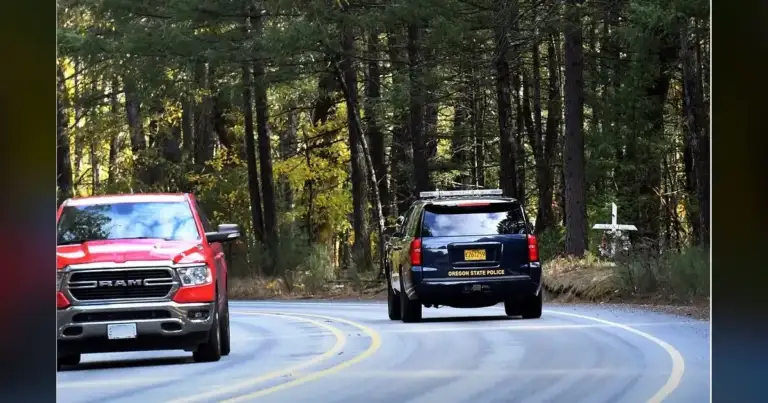
Jenkins reportedly vanished on April 1st near Santiam Pass. Her silver Honda CRV sat abandoned on Highway 22, hazard lights flashing like a distress signal. And OSP, predictably, mobilized. Ground crews, K9 units, state-of-the-art drones – all scouring the dense wilderness for a woman who was merely “disoriented,” according to official statements. Disoriented, or just making incredibly poor life choices?
The public isn’t stupid. We see through this theatrical performance. The internet, for once, got it absolutely right from the jump: this “missing person” saga reeked of manufactured drama and a lack of critical information from the very beginning.
Who Benefits from the Hype? Not You, the Taxpayer.
OSP doesn’t run these elaborate searches for free. Personnel hours, specialized equipment, fuel for vehicles and aircraft – it all adds up. And who foots the bill for this expensive charade? You do, the Oregon taxpayer. How much did this particular wild goose chase cost us? OSP won’t say. They never do when it’s inconvenient. This isn’t just about finding someone; it’s about fiscal responsibility, and OSP is failing spectacularly on that front.
They’re quick to laud the “vigilant citizen” who eventually found Jenkins. A hiker, three miles off Highway 22. Jenkins was described as “disoriented” and suffering from “mild hypothermia.” Conveniently vague, isn’t it? This isn’t some miraculous rescue from the jaws of peril. This is a woman found after what strongly appears to be a self-inflicted wilderness excursion, the details of which OSP seems determined to keep under wraps.
The “family and friends” express relief. Of course they do. But what about accountability? Why was her car abandoned in the first place? Why did she wander three miles into dense, unforgiving woods, particularly when weather conditions were less than ideal? These aren’t “unanswered questions” to be politely ignored. These are critical details OSP is deliberately withholding from the very public that funds their operations.
The Highway 22 Sideshow: Undermining Real Tragedies
Highway 22 has a grim history of disappearances. Some are genuinely tragic. Many remain unsolved, leaving families in agonizing limbo. This latest incident, however, cheapens those real tragedies. It transforms genuine fear and concern into an eye-rolling spectacle, eroding public trust in legitimate emergencies.
The public’s cynicism is not only warranted but entirely justified. Remember Maria Linda Jade Kilmer? Her “disappearance” was another media frenzy. Car out of gas. Hitched a ride. Ghosted her family. Then “found safe,” with an infuriating lack of details. Just public resources wasted. This Jenkins case follows the same tired, infuriating script, playing out like a bad rerun we’ve all seen before.
“Ran out of gas? Took a ride? Missing? This is why we can’t have nice things—every breakdown’s now a true crime pod.” – X user, @OregonTruthNow
The media, particularly local outlets like KATU, amplified the initial panic with gusto. They bought hook, line, and sinker into the “sinister vanishing” narrative. They pushed Amber Alerts, fueled the public’s anxiety, and sensationalized every detail. All for a woman who was merely “disoriented.” It’s a disservice to actual journalism and a betrayal of public trust.
OSP’s Silence is Deafening, and Embarrassing
OSP remains tight-lipped, frustratingly so. They issue boilerplate statements, thanking their “dedicated personnel” and “valiant volunteers.” They pat themselves on the back for a job well done. But what they conspicuously fail to offer is any real explanation. No transparency. They stubbornly refuse to answer the critical questions that every Oregonian deserves to have addressed:
- Why was Jenkins’ vehicle abandoned on a major highway?
- What compelled her to venture three miles into the wilderness, alone and unprepared?
- Was there ever any genuine threat, or was this simply a case of a woman making profoundly questionable choices that triggered an expensive public response?
Their silence isn’t just baffling; it screams “embarrassing.” They don’t want to admit they poured finite resources into what was likely an entirely avoidable situation. They want the public to believe that every “missing person” alert represents a dire, life-or-death emergency. This case, however, stands as stark proof that such assumptions are often, and expensively, untrue.
This isn’t about celebrating a safe return; that’s a given. This is about demanding answers. This is about holding OSP accountable for how they deploy public funds and critical resources. Stop treating Oregonians like fools. Tell us, unequivocally, what really happened on Highway 22, and why our money was spent this way.
OSP needs to release a full, unredacted report detailing the circumstances, the timeline, and the precise costs involved. Until then, every future “missing person” alert issued by this agency will and should be met with skepticism. And frankly, OSP will have absolutely nobody but themselves to blame.
Photo: Photo by OregonDOT on Openverse (flickr) (https://www.flickr.com/photos/28364885@N02/51843277588)
Source: Google News