
Ohioans, brace yourselves. A legislative Trojan horse is rolling towards your local ballot box, disguised as ‘local control’ but designed to unleash chaos and financial strain.
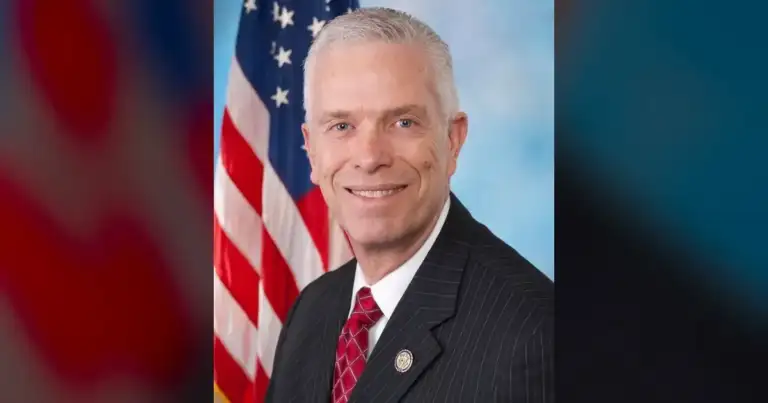
State Representative Michael Vance (R-District 23) is peddling House Bill 312 as a gift to “the people.” Make no mistake: this bill is a recipe for legislative paralysis, a playground for well-funded opportunists, and a direct threat to the sanity of our local communities.

Don’t fall for the ‘local control’ rhetoric; it’s a smokescreen.
This isn’t just another bill; it’s a political maneuver now in its second hearing with the House Government Oversight Committee.
HB 312 claims to simplify local ballot initiatives, but let’s be blunt: it’s a classic bait-and-switch, a wolf in sheep’s clothing promising democracy while delivering dysfunction.
The False Promise of “Power Back to the People”
Vance’s HB 312 proposes slashing the signature requirement for local issues to a flat 5% of votes cast in the last gubernatorial election – a dramatic cut from the current 10-15%, which already varies by issue.
The bill also extends the petitioning period to 120 days, up from 90. It introduces a “digital signature pilot program,” a fast-track to even more petitions.
Vance, ever the populist, declared:
“This bill is about giving power back to the people, where it belongs.”
Sarah Jenkins of “Ohioans for Local Control” dutifully echoed the same tired line, calling it:
“a monumental step towards a more truly democratic Ohio.”
Sounds great, doesn’t it? More direct democracy, more citizen engagement.
That’s the shiny, deceptive wrapper they want you to see. But peel it back, and the rot becomes clear.
The Unseen Costs and Real Beneficiaries
Strip away the populist slogans, and the ugly truth stares you in the face.
Maria Sanchez, President of the Ohio Association of Election Officials (OAEO), a woman who actually understands the mechanics of our elections, isn’t buying this fantasy.
She issued a stark warning:
“Lowering thresholds could lead to a deluge of poorly conceived or frivolous ballot initiatives, overwhelming local election boards and potentially confusing voters.”
And she’s not just right; she’s predicting a nightmare scenario.
Consider the cold, hard numbers: it already costs election boards anywhere from $500 to $2,000 to verify a single petition.
Vance’s bill won’t just increase that burden; it will multiply it exponentially. Who, precisely, pays for this administrative avalanche? You do, through your hard-earned local taxes.
While proponents might save a few bucks on hiring professional petition circulators (who charge $2-5 per signature), the cost doesn’t disappear; it simply shifts.
It shifts from the special interest group pushing their narrow agenda directly onto the public services trying to manage the inevitable fallout. This isn’t efficiency; it’s a shell game.
Let’s be clear: this isn’t about empowering genuine grassroots movements, which already face an uphill battle with 10-15% thresholds.
No, this bill is about opening the floodgates for any group – no matter how fringe, how extreme, or how narrowly focused – provided they have enough cash to push their agenda.
A 5% signature requirement isn’t just low; it’s a mockery of democratic process, an open invitation for disruption.
It means smaller, more extreme factions can effortlessly throw a wrench into the gears of local governance, forcing expensive, frequent elections on issues previously considered too niche, too unpopular, or frankly, too absurd to ever merit a ballot spot. This isn’t democracy; it’s weaponized bureaucracy.
Your Ballot, Overrun with Junk
What does this mean for your local ballot? A lot more clutter, a lot more chaos:
- More issues. Brace for a deluge. Expect a significantly higher number of initiatives, many of which previously couldn’t even dream of clearing the bar. Your ballot will swell.
- Broader, Bizarre Topics. Niche, highly controversial, or even outright fringe issues will now easily qualify, transforming local elections into ideological battlegrounds and circuses of special interests.
- Direct Challenges, Constant Gridlock. Every single zoning change, every crucial school levy, every vital infrastructure project could face an immediate, cheap, and disruptive challenge by a vocal minority. Imagine the paralysis.
- Planning Paralysis. Local governments will operate under a constant, debilitating threat of citizen-initiated referendums, making any semblance of long-term planning an absolute nightmare. Who can build a future when the ground beneath them constantly shifts?
- Digital Signature Acceleration: The Petition Tsunami. That “innovative” pilot program isn’t about convenience; it’s a fast-track to an unprecedented volume of petitions, faster than ever, with even less traditional public organizing or genuine community consensus required. Get ready for the tsunami.
This isn’t true local control; it’s a cynical blueprint for local gridlock, financial strain, and the systematic undermining of our elected officials. It’s a recipe for chaos, plain and simple.
Let’s be unequivocally clear: House Bill 312 is not about empowering “the people.” It’s about making it laughably easy for any organized group, regardless of genuine public support or common sense, to disrupt local governance and ram through their narrow, often extreme, agendas.
Vance and his legislative allies aren’t building democracy; they’re constructing a system where our already strained local election boards will be utterly overwhelmed, and your taxpayer money will be squandered verifying endless, often frivolous, petitions.
The real motive here is nakedly obvious: to allow political factions and well-funded special interests to circumvent our duly elected officials and force their will through a cheapened, chaotic ballot process.
This isn’t democracy in action; it’s democracy under siege. Don’t let them turn your local ballot into a junk mail flyer – a sign of legislative malpractice. Demand better. Demand sanity. Our communities depend on it.
Source: Google News