











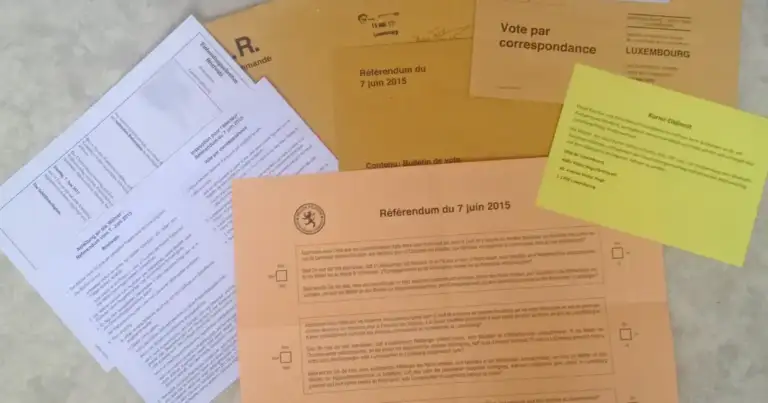

The U.S. Supreme Court just sealed the fate of California’s election system, or so it feels. On June 7, 2026, the justices concluded oral arguments in the monumental case of Voter Safeguard Initiative v. Weber. This decision now hangs like a sword of Damocles over our state’s election integrity.
This isn’t some abstract legal debate. It’s about how millions of Californians will cast their ballots for generations to come, and whether our state’s pioneering efforts to expand access will be dismantled by federal decree.

California’s Ballot Battleground
California, ever the trailblazer in progressive policies, embraced universal mail-in voting long before it became a national necessity. Our state championed ballot access, permanently codifying the practice in 2021 with Assembly Bill 37 (AB 37).
AB 37 ensures every single registered voter receives a ballot in the mail, no questions asked. This was a bold, permanent commitment to democratic participation, not a temporary fix.
Alongside this, California also greenlit “ballot collection”—a crucial service for many. Opponents cynically brand this practice “ballot harvesting.”
Proponents laud ballot collection as a vital expansion of voter access, particularly for the elderly, disabled, or those in remote areas. For critics, it’s a “gaping security flaw”—a claim we should scrutinize closely.
The Voter Safeguard Initiative‘s argument is stark: California’s practices are “ripe for fraud” and “undermine election security.” They insist that convenience must bow to the paramount integrity of the vote.
But where is the widespread, proven fraud? California, on the other hand, staunchly defends its system as a vital expansion of voter access. This particularly benefits those in remote areas, the elderly, or individuals with limited mobility who might otherwise be disenfranchised.
This isn’t merely a debate over technicalities or logistics. It’s a clash between two fundamentally opposing visions of who gets to vote and how our democracy should truly function.
The Stakes for the Golden State
A ruling against California’s current system wouldn’t just be an inconvenience; it would trigger an unprecedented, seismic overhaul. Picture the chaos: reversing AB 37, rescinding universal mail-in ballots, or outright banning ballot collection.
The logistical nightmare would be staggering, forcing counties to scramble to re-educate voters and rebuild infrastructure overnight. But the political reverberations would be even more profound.
This would be a direct federal intervention into state election autonomy. It would serve as a blatant rebuke of California’s progressive electoral model, and a slap in the face to millions of voters.
Conversely, a ruling upholding California’s system would cement its position as a national leader in voter access. This could potentially embolden other states to follow suit and expand their own democratic processes.
This isn’t just about envelopes and postmarks. It’s about who gets to decide the rules of the game, and whether the Supreme Court will draw a hard line on what constitutes “fair” access versus “secure” elections.
Priya Sharma’s Red Marker Verdict
Let’s be absolutely blunt: this fight has precious little to do with genuine voter security. It has everything to do with raw political power.
The “Voter Safeguard Initiative” isn’t some altruistic civic group championing the common good. It’s a thinly veiled proxy for forces that understand making voting harder often tilts the scales decisively in their favor.
They dress it up as preventing fraud—a claim largely unsubstantiated by real-world evidence. The real play is clear: suppressing turnout among demographics less likely to vote in person or those who rely on crucial third-party assistance.
California’s universal mail-in and ballot collection systems are undeniably effective at getting more ballots counted. And that, precisely, is the problem for those who benefit when fewer people vote.
If the Supreme Court sides against California, it won’t be because of widespread, proven fraud that threatens the republic. It will be a judicial endorsement of an agenda that prefers tighter control over expansive access.
This will happen all under the flimsy guise of protecting a system that wasn’t broken for millions of California voters.
The stakes couldn’t be higher. Will the highest court in the land prioritize a manufactured fear of fraud over the undeniable right to vote for every eligible Californian? Or will they affirm our state’s commitment to a truly inclusive democracy?
The answer, when it comes, will echo far beyond California’s borders, defining the future of voting in America.
Source: Google News
