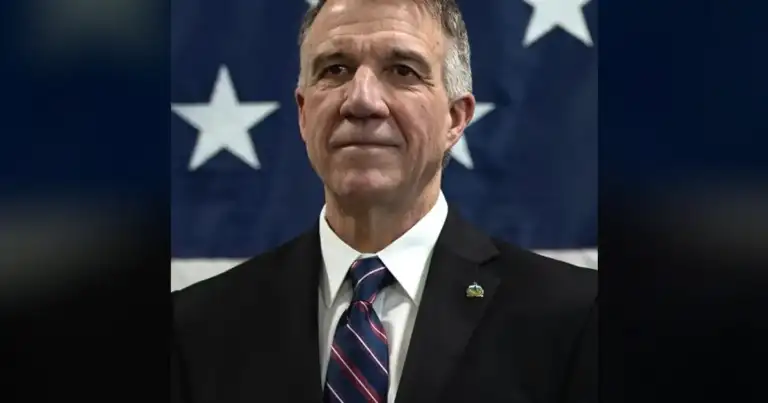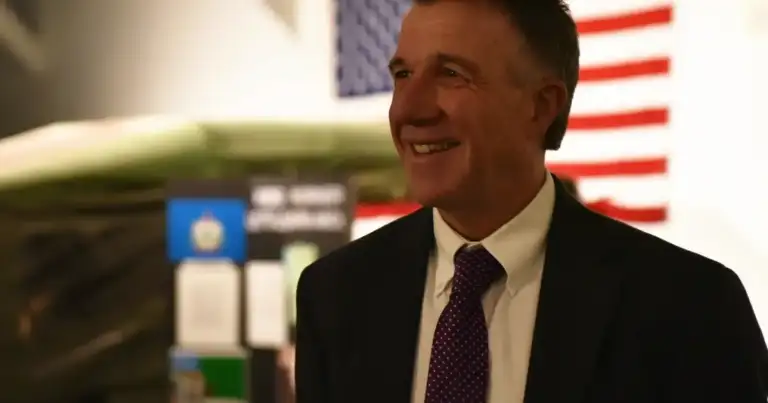

Montpelier, VT – Governor Phil Scott isn’t just seeking a fifth term; he’s cementing a political dynasty in Vermont’s deep-blue heartland. On Wednesday, May 28, 2026, the Republican anomaly officially declared his bid for an unprecedented two-year term, and let’s be brutally honest: this isn’t about “public service.” It’s about maintaining an iron grip on power, plain and simple, while Vermont’s Democrats, predictably, stumble to find a way to stop him.
Scott, ever the master of political theater, used his Montpelier press conference to trot out the same tired platitudes: “fiscal responsibility,” “collaborative governance,” “addressing long-term challenges.” Let’s cut through the rhetoric: he’s promising more of the same, because why wouldn’t he?

His approval ratings consistently soar above 60% – a staggering feat in a state that hasn’t voted for a Republican presidential candidate since 1988. This isn’t pragmatism; it’s a political magic trick, and it blinds far too many Vermonters to the true cost of his “steady hand.”
The Democratic Dilemma: Same Old Song, New Election
Within 24 hours of Scott’s announcement, the predictable Democratic hopefuls — State Senator Becca Balint and former Burlington Mayor Miro Weinberger — reiterated their intentions. Balint, ever the vocal critic, talks about “bold, progressive leadership.” Weinberger pushes his “executive experience.”
But what does any of that truly matter when Vermonters keep re-electing a Republican who acts as a constant, immovable brake on their legislative supermajority? It’s a rhetorical question that haunts every Democratic campaign.
“While Governor Scott is a good man, Vermont faces urgent challenges that require bold, progressive leadership. We need a governor who will partner with the legislature to tackle climate change, build truly affordable housing, and ensure every Vermonter has access to quality healthcare without delay.” – State Senator Becca Balint
Balint and Weinberger will, predictably, hammer on climate change, affordable housing, and property tax reform. They always do, and Vermonters have heard it all before.
Scott, meanwhile, will continue to lean on his “common sense” approach, a carefully crafted facade. He’s the guy who says “no” just enough to appear fiscally prudent, a responsible guardian of the purse, without ever truly alienating the progressive base that desperately wants to spend.
It’s a political high-wire act, and he’s not just mastered it; he’s practically patented it.
The Scott Enigma: Keeping Vermont Comfortable
Scott’s enduring popularity isn’t some complex enigma; it’s a carefully cultivated illusion. He’s a Republican who shrewdly avoids acting like those Republicans, the ones dominating national headlines.
He keeps national politics at arm’s length, a convenient shield that allows Vermonters to feel virtuous about their progressive values while simultaneously electing someone who consistently slows the pace of actual, meaningful change.
It’s a politically comfortable compromise for countless residents who want to believe they’re pushing forward without ever truly leaving their comfort zone – a progressive veneer over a stagnant reality. This isn’t just about policy; it’s about identity.
Scott allows Vermonters to maintain a self-image of progressive leadership without the messy work of actual progressive governance.
The fact is, Vermont hasn’t had a Democratic governor since Howard Dean left office in 2003. This isn’t an accident.
It’s a pattern, a preference for a perceived stability that often translates to stagnation on issues the Democrats claim are urgent.
Scott doesn’t solve problems so much as he manages expectations, using his veto pen to maintain a steady, predictable course, ensuring nothing truly disrupts the comfortable status quo.
RED MARKER VERDICT
Phil Scott’s fifth term bid isn’t a selfless act of “serving Vermonters”; it’s a calculated maneuver to maintain the illusion of bipartisan harmony while systematically slowing down any significant progressive shift.
The Democrats, for all their impassioned talk of “urgent challenges” and “bold leadership,” continue to fall for the same predictable trap: believing that rhetoric alone can unseat a popular incumbent who expertly plays the role of the reasonable moderate.
The real motive here is stark: the preservation of a political status quo that benefits those who prefer incrementalism over genuine, transformative action.
Vermonters get a governor who makes them feel good about themselves, and the entrenched power brokers get to keep things moving at a glacial pace. Don’t expect anything different.
This election won’t be a contest of ideas; it will be another masterclass in how to win without truly changing a damn thing – and Vermont will be poorer for it.
Photo: Wikimedia Commons (query: Phil Scott)
Source: Google News