
Forget the quiet hum of the prairie; Oklahoma City is roaring right now, a vibrant symphony of simultaneous triumphs.
From the electrifying deep playoff run of our very own Thunder to the perennial spectacle of the NCAA Women’s College World Series, our city is a whirlwind of athletic prowess and civic ambition. But peel back the layers of celebration, and you’ll see the true test of OKC’s mettle is just beginning.

The Platinum Rush: A City Transformed
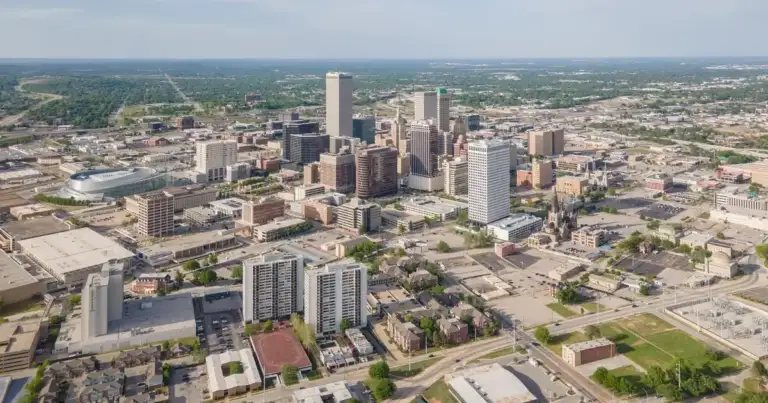
Walk through Bricktown, or even just glance at the downtown skyline, and you’ll feel it: an undeniable, palpable energy. You can practically taste the excitement.
This isn’t just a “boom”; it’s a full-throttle charge into the national spotlight, fueled by two sporting titans.
The WCWS, a perennial draw at OGE Energy Field at Devon Park, brings legions of loyal fans. Then, you have the Oklahoma City Thunder, battling the Dallas Mavericks in the Western Conference Finals, holding a 2-1 lead after a commanding Game 3 victory. It’s a perfect storm of high-stakes sports.
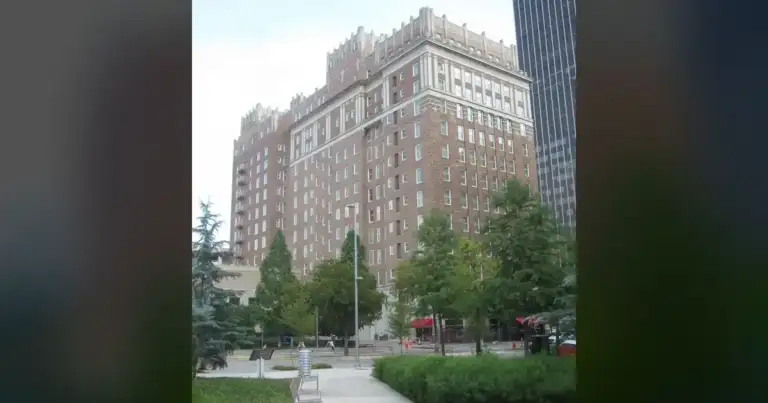
The numbers don’t lie. Hotel occupancy rates are soaring to nearly 100% in the prime downtown and Bricktown districts. Restaurants, like the always-packed The Jones Assembly, are reporting every table booked, staff working overtime, a whirlwind of exhaustion and exhilaration.
Mike Woody, President of the OKC Convention and Visitors Bureau, isn’t wrong when he calls it a “dream scenario.”
We’re talking about an estimated $20 million from the WCWS alone, with each Thunder home playoff game adding another $3-5 million to the coffers. This isn’t just good for business; it’s a direct infusion of capital into our city’s veins, generating tax revenue and local pride.
Mayor Holt himself took to social media, declaring OKC “showcasing its best to the world.”
Beyond the Roar: The Unseen Costs
But let’s peel back the layers of that civic pride, shall we? While the spotlight shines brightly on the economic windfall, the question hangs heavy in the Oklahoma air: Is our city truly ready for this sustained, intensified level of demand, or are we simply marveling at the shiny new veneer while the foundations creak?
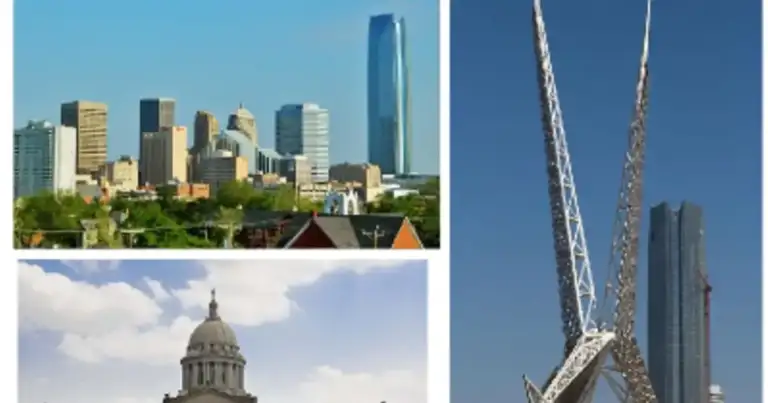
Our transformative MAPS projects have undoubtedly reshaped OKC, creating stunning amenities like Scissortail Park and enhancing public transportation. Yet, these investments, while visionary, weren’t designed to handle two major national-scale events running concurrently, pushing our infrastructure to its absolute limits. It’s like trying to run a marathon on a sprint track.
Reports of increased traffic congestion around event venues aren’t just inconvenient; they’re a daily reality for residents trying to move through their own city. Public safety resources are operating at elevated levels, showing their dedication, but it forces us to ask: how thinly can we stretch our essential services before something gives?
While visitors enjoy the spectacle, many locals are stuck in gridlock, experiencing increased prices, and dealing with public spaces that feel less like their home and more like a never-ending festival.
The Red Marker Verdict
Here’s the hard truth, the one you won’t hear shouted from the rooftops of the Convention and Visitors Bureau: The city’s leadership, while justifiably celebrating this unprecedented economic surge, is focusing on the immediate financial triumph. The narrative is all about the dollars flowing in, the national exposure, the “best of OKC.” But the real motive, the unspoken hypocrisy, lies in the cost to the everyday Oklahoman.
We’re seeing an immediate return on investment for the hospitality sector and city coffers, certainly.
But the long-term sustainability of this “sports capital” identity hinges on more than just packed hotels and sold-out arenas. It demands a robust infrastructure that doesn’t buckle under pressure, public services that aren’t perpetually strained, and a quality of life for residents that isn’t compromised by the very success we’re celebrating.
The mainstream narrative, always quick with an upbeat report, misses the crucial point: true value isn’t just for the visitor; it’s for the people who call this city home, day in and day out. We need to ensure this boom isn’t just a fleeting moment of glory, but a catalyst for truly sustainable, thoughtful growth for everyone.
This is Oklahoma City’s moment to shine, a spectacle of athletic excellence and vibrant community.
But the question isn’t whether we can host these events; it’s whether we can do so without sacrificing the very soul of our city for those who call it home.
The roar of the crowd is exhilarating, yes, but the silence of neglected infrastructure and strained public services will be deafening if we don’t act now. Let this boom be a blueprint for truly sustainable, inclusive growth, not just a fleeting, profitable spectacle. Our city, and its residents, deserve nothing less.
Source: Google News