
The Judge’s High Bar for Injustice
Judge Lasnik waved off immediate action, citing a “high legal standard” for an emergency injunction. He demanded “clear and immediate irreparable harm.” But tell that to the Latino communities in Legislative District 15. They haven’t faced *potential* harm; they’ve been living with demonstrably diluted power since 2021. This isn’t some abstract legal theory; it’s their daily reality. Their voices are fractured, their ability to elect candidates of their choice systematically undermined. How much clearer, how much more immediate, how much more irreparable does harm need to be before the court steps in? The judge himself acknowledged their case had merit – a hollow victory if ever there was one. He simply wouldn’t act on it *now*. This isn’t about upholding fairness; it’s about bureaucratic inertia weaponized against the vulnerable. It’s about letting the clock run out on justice, ensuring another election passes before true equity can even be considered.Who Profits from the Status Quo?
The Washington State Attorney General’s office, predictably, cheered the decision. They quickly trotted out the tired claim that the maps were “drawn through a transparent and bipartisan process.” Transparent for whom, exactly? Bipartisan for whom? Certainly not for the Latino voters who have been screaming about their diminished power for years. They fought tooth and nail to maintain this skewed setup. The question isn’t *if* they benefited, but *how much*. The cynical answer, as always, boils down to dollars and dominance. Redrawing maps isn’t cheap; it costs millions for “new ballot printing and voter education.” By blocking the injunction, the state just dodged that bill, a convenient “win” disguised as legal prudence. Maintaining the existing, inequitable power structure is always cheaper than correcting it. It’s a stark reminder: in Washington politics, it’s always about the money. And the entrenched power that money buys.“We are disappointed by the court’s decision to deny immediate relief, but our fight for justice and fair representation for Latino voters in Washington is far from over,” a spokesperson for the lead plaintiff organization stated.So, the plaintiffs will keep fighting, their resolve undimmed but their immediate hopes dashed. Meanwhile, the 2026 elections will proceed under these demonstrably tainted maps. The communities who have argued, with ample evidence, that they are silenced will remain precisely that. The system, it seems, ensures its own continuity above all else.
“The court’s decision affirms that Washington’s redistricting process was conducted legally and fairly. We remain committed to ensuring all voters have their voices heard,” commented a representative from the Washington Attorney General’s office.The Attorney General’s office claims the process was “conducted legally and fairly.” Legally and fairly *for whom*? Certainly not for the thousands of Latino citizens whose votes are measurably diluted. This commitment to “ensuring all voters have their voices heard” doesn’t just ring hollow; it echoes with cynical disregard for the reality on the ground.
RED MARKER VERDICT
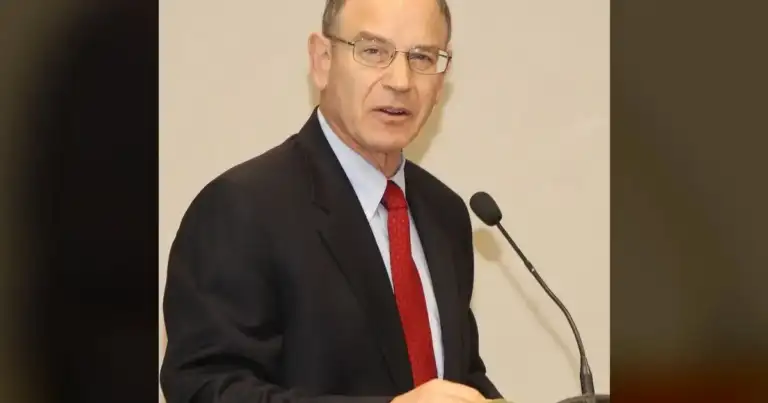
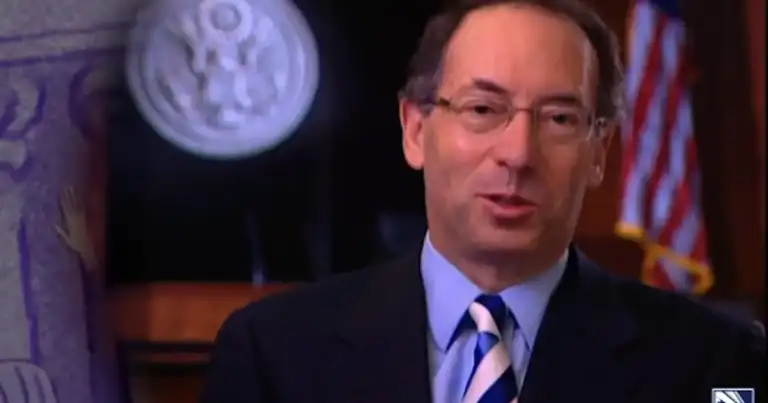
This ruling isn’t just a legal setback; it’s a stark indictment of a system that prioritizes process and cost savings over immediate justice. Judge Lasnik’s decision, while perhaps technically within legal bounds, is a cynical sidestep around the immediate and tangible impact on minority voting rights. It’s a calculated maneuver designed to protect the state’s budget and, more importantly, the established political order. The invocation of “high legal standards” serves as nothing more than a convenient shield, allowing those in power to delay, perhaps indefinitely, addressing systemic inequities. This isn’t about equity; it’s about avoiding disruption to the comfortable status quo. The people of Washington, especially its Latino residents, deserve far better than this calculated stalling. They deserve a system that champions their voices, not one that silences them with judicial delays. The fight for true representation, it seems, will continue on the streets and in the ballot boxes, not in the courtrooms of Washington.Photo: Wikimedia Commons (query: Robert S. Lasnik)
Source: Google News