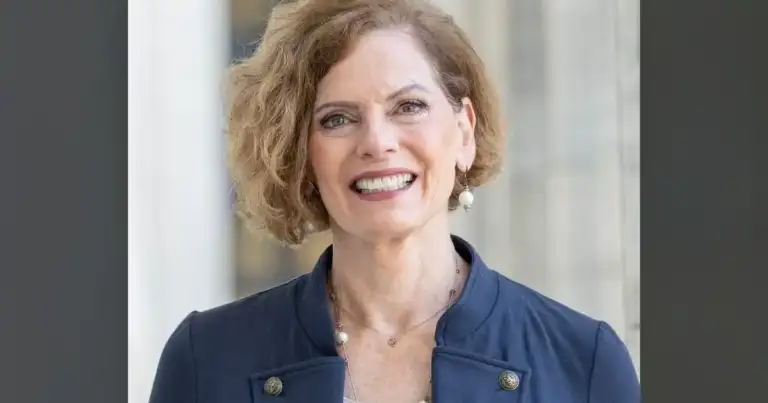

The push for a statewide pied-à-terre tax on high-value second homes outside New York City is back. Assemblymember Patricia Fahy has resurrected the idea from the legislative graveyard, just days after her pet project got the cold shoulder from the upcoming 2026 state budget.
Fahy is refusing to concede, claiming the fight isn’t over. She’s now pushing the idea as a standalone bill, betting on “political momentum” where the budget process offered none.

It’s a classic Albany maneuver: lose the budget battle, declare the war still on, and hope no one notices it’s the same old fight with a fresh coat of paint.
Albany’s Second Home Squeeze Play
Fahy’s proposal isn’t new; it’s a familiar refrain. New York City has long flirted with – and occasionally implemented – various luxury property taxes.
But extending that reach to the Hamptons, the Hudson Valley, or the Adirondacks? That’s a fundamentally different beast, sparking outrage from local economies.
Fahy champions this as a noble aim: to generate “hundreds of millions” for upstate and suburban communities. These funds are earmarked for affordable housing, critical local infrastructure, and a supposed easing of property tax burdens.
It’s a seductive pitch, especially to residents struggling with soaring housing costs in areas increasingly overrun by the wealthy seeking a weekend escape.
Proponents, a coalition of progressive groups and upstate advocates, frame this as simple fairness, a moral imperative. Their argument is clear: tax the rich who own multiple mansions but don’t contribute to local services like full-time residents.
It’s about forcing those with luxury assets to finally chip in their fair share. On the surface, it’s a compelling argument, tapping directly into the broader national exasperation with wealth inequality and the call for wealth taxation.
The Reality Check: Who Really Pays?
But the real estate industry, property owner associations, and local business groups aren’t just *not* buying it – they’re screaming foul. Their counter-argument is just as loud, and far more grounded in local reality: this tax isn’t just punitive; it’s potentially devastating.
It threatens to scare off crucial investment, depress already fragile property values, and make second-home owners think twice about spending their money in local shops, restaurants, and service businesses.
Can we afford to gamble with the seasonal economies in places like the Finger Lakes or parts of the Catskills? There, tourism and high-end second-home spending are the undeniable lifeblood.
Those promised “hundreds of millions” could easily come with a hidden, far greater cost of diminished local economic activity and lost jobs. And let’s not forget the smaller, family-owned vacation homes that could get caught in the crossfire if the threshold is set too broadly, hitting middle-class families far harder than the super-rich.
Political Theater or Genuine Hope?
Fahy’s optimism for future legislative success, after failing to get this tax into the upcoming 2026 budget, feels less like genuine hope and more like a desperate politician’s gamble.
Budget negotiations are the arena where the real horse-trading happens, where priorities are meticulously weighed against finite political capital.
If this proposal couldn’t secure a spot in that high-stakes environment, pushing it now as a standalone bill is an almost insurmountable uphill battle. More often than not, it’s a strategic move to keep an issue alive for future leverage, a political placeholder, rather than a serious expectation of immediate passage.
Let’s be clear: don’t be fooled by the high-minded talk of “equity” and “affordable housing.” This isn’t just about taxing the rich; it’s a naked grab for new revenue, pure and simple.
The state budget is always a zero-sum game. When the well runs dry for other pet projects, politicians inevitably start eyeing new pockets to pick.
Fahy understands the undeniable political appeal in taking on “out-of-towners” with big houses. This holds true even if the actual economic ripple effects could severely sting the very communities she claims to help.
This isn’t a genuine solution to housing woes or infrastructure needs. It’s a shrewd political maneuver designed to find new cash.
Painting second-home owners as the villain is simply an easier sell than raising taxes on everyone else. New Yorkers deserve more than recycled political theater disguised as progress.
Source: Google News