

The Perpetual New York Shuffle
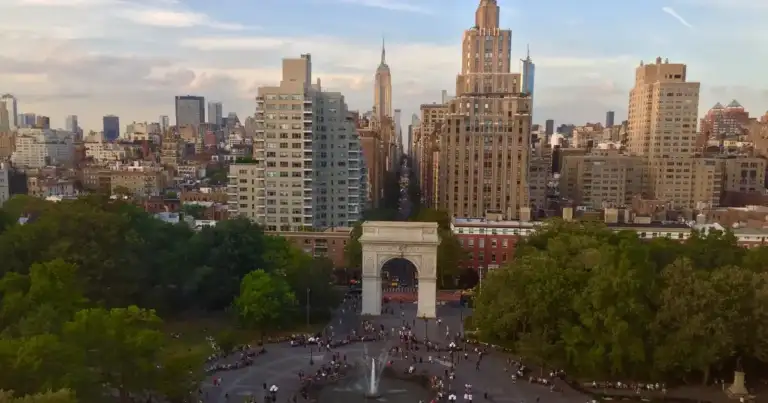
Washington Square Park isn’t merely a patch of green; it’s a living, breathing contradiction: a global landmark that doubles as a neighborhood backyard. For well over a century, it has been the heart of New York life – the stage for everything from fervent protest movements to spontaneous jazz sessions. This wild, untamed spirit, this glorious lack of inhibition, is precisely what makes it quintessentially New York. But that same spirit, the very thing that draws millions of visitors annually, grates on those who’ve shelled out upwards of $5 million for apartments just steps away. Their evenings are punctuated by drum circles, impassioned debates, and late-night revelry. This isn’t a new fight; it’s the same old argument, rehashed and repackaged. Can a truly public park remain *public* when its immediate, affluent neighbors demand a private sense of order? This push for gates isn’t an isolated incident; it’s a chilling symptom of a broader trend sweeping through New York City. Public spaces are systematically being reshaped to cater to a specific, moneyed demographic. Look around: the meticulously manicured “parks” within luxury developments like Hudson Yards, or the increasingly privatized waterfronts that were once open to all. This isn’t about making Washington Square Park safer for everyone; it’s about controlling access, dictating who belongs, and, most crucially, when. It’s about creating an illusion of safety that actually serves as a barrier to the very people it’s supposed to protect.Red Marker Verdict
Let’s cut through the sanitized rhetoric and get to the truth: this isn’t about fostering community harmony or ensuring universal safety. It’s a calculated move to boost real estate values and enhance a perceived “quality of life” for the privileged few, at the direct expense of genuine public access for the many. These “safety concerns” are nothing more than a convenient, flimsy shield for an insatiable desire to gentrify the very air around multi-million dollar apartments. Gates don’t magically solve systemic issues like homelessness, pervasive drug use, or the escalating mental health crisis. They merely shunt problems to the next block, pushing them out of sight and out of mind for those who can afford a curated existence. This is a territorial grab, plain and simple, thinly disguised as civic improvement. And make no mistake, New Yorkers, this won’t be the last time we witness this insidious play unfold.Photo: Axel_Tschentscher
Source: Google News