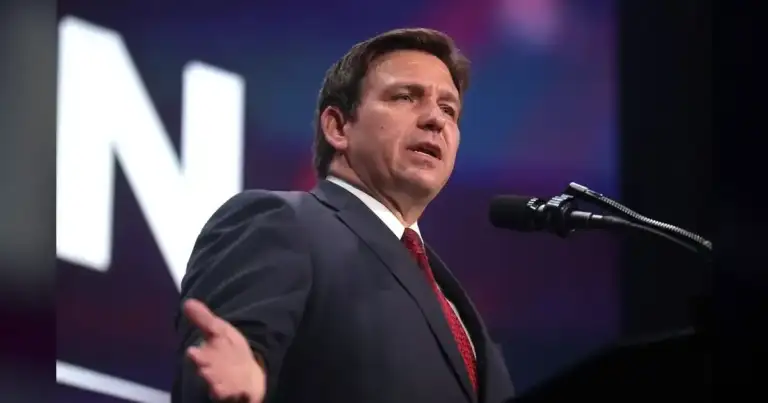

In a move that promises to significantly reshape the landscape of minor construction and home improvement across the Sunshine State, Florida Governor Ron DeSantis signed five new pieces of legislation into law on May 7, 2026, during a ceremony held in Sarasota. While each bill carries its own weight, the most discussed and arguably the most impactful for everyday Floridians is House Bill 1203 (HB 1203). This landmark legislation is poised to dramatically streamline the permitting process for a range of small building projects, a change many believe is long overdue.
Dismantling Bureaucracy, One Shed at a Time
The core of HB 1203 is its explicit exemption of certain “small building projects” from the often-cumbersome local government permitting requirements. For years, homeowners and small businesses have navigated a labyrinth of paperwork, fees, and waiting periods for projects that, by all accounts, are minor in scope. The intent behind this new law, as articulated by its proponents, is clear: to reduce bureaucratic hurdles, cut costs for residents and businesses, and expedite minor improvements.
Starting July 1, 2026, when all five new laws take effect, Floridians undertaking specific projects will find themselves free from the obligation of obtaining a permit. These now-exempt projects include:
- Sheds or utility structures measuring under 200 square feet. This is a significant relief for those looking to add storage or a small workshop without the red tape.
- Fences up to 6 feet in height. Simple boundary markers or privacy enhancements will no longer require local government approval.
- Minor interior cosmetic renovations that do not affect structural integrity, electrical, or plumbing systems. This covers common upgrades like replacing flooring, painting, or installing new cabinets within existing layouts, empowering homeowners to refresh their living spaces with greater ease.
- Repair or replacement of existing driveways, walkways, and patios, provided they remain within their current footprint. Maintaining and improving exterior hardscaping will become a far simpler endeavor.
This shift represents a philosophical move towards greater individual autonomy and a reduced government footprint in personal property management. For many, the previous system felt like an unnecessary imposition, adding time and expense to projects that posed little to no public safety risk.
The Promise of Efficiency vs. Unforeseen Consequences
The benefits touted by the Governor and legislative supporters are compelling. Homeowners can undertake projects faster and potentially cheaper, injecting vitality into local economies as more people feel empowered to invest in their properties. Small businesses, particularly those in the contracting and landscaping sectors, may see an uptick in demand for these smaller, now permit-free jobs, leading to increased activity and local job growth. The administrative burden on local permitting offices could also decrease, allowing them to focus resources on larger, more complex projects where oversight is undeniably critical.
“This legislation is about empowering Floridians,” a representative from the Governor’s office stated during the signing ceremony. “It’s about cutting through red tape that has stifled innovation and made simple home improvements unnecessarily complicated and costly. We are giving power back to the people.”
However, as with any significant deregulation, questions naturally arise. While the intent is to foster efficiency, some might ponder the long-term implications of reduced oversight, even for minor projects. Could a lack of permitting lead to a decline in quality control in some instances, or perhaps unintended aesthetic inconsistencies within neighborhoods if certain standards are no longer enforced? While the specified exemptions are indeed for “minor” projects, the cumulative effect of thousands of such projects proceeding without any local government review is something that will bear watching as the law takes hold.
It’s crucial to remember that the bill carefully delineates what constitutes an exempt project, specifically excluding anything that touches structural integrity, electrical, or plumbing systems. This distinction aims to safeguard public safety and ensure that critical infrastructure remains subject to stringent review. Nevertheless, the balance between fostering individual freedom and maintaining community standards is a delicate one, and HB 1203 undeniably shifts that balance.
A Broader Legislative Stroke
Beyond HB 1203, the signing of four other laws underscores a broader legislative agenda from Governor DeSantis. While details on these other bills are less prominent in the immediate aftermath, their collective enactment on July 1, 2026, signals a period of significant legal and regulatory adjustment for Florida. The focus on HB 1203, however, highlights the administration’s commitment to addressing everyday concerns of its citizens, particularly regarding property rights and economic activity.
As summer approaches and the implementation date draws near, Floridians will undoubtedly begin to experience the tangible effects of these changes. For many, the prospect of undertaking a new fence installation or a kitchen cosmetic upgrade without the bureaucratic headache will be a welcome relief. The long-term impact on Florida’s communities and its construction industry will be a story that continues to unfold over the coming months and years.
Source: Google News