











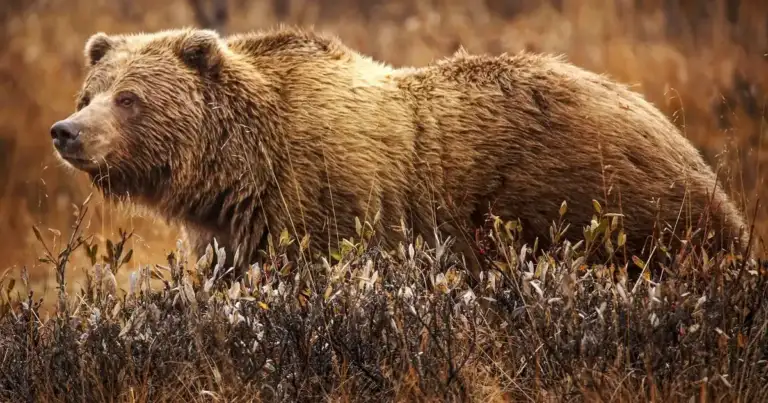

Another bear encounter. Another stark reminder that Montana's wild heart beats with a primal rhythm, unforgiving to the unprepared.
The recent attack near Yellowstone, coupled with Montana Fish, Wildlife & Parks (FWP) reporting "sightings are daily," isn't just news; it’s a visceral, hard lesson.
Forget your curated Instagram filters for a moment; this isn't a petting zoo. This is Montana, and she demands more than a fleeting glance—she demands reverence and respect.
As grizzlies emerge from their long winter sleep, hungry and territorial, they aren't looking for photo opportunities or a gentle stroll. They're looking for food, for mates, for their rightful place in a remarkably successful ecosystem.
The Greater Yellowstone Ecosystem (GYE) now boasts over a thousand grizzlies—a powerful success story for conservation. This population growth is also a stark indicator that human encounters are not a matter of if, but when. Are you truly ready?
The Cost of Complacency: A Darwinian Calculus
While the FWP issues its sensible advisories, the real-world reaction to these incidents from locals is less about panic and more about a collective, exasperated eye-roll. The online forums, the whispers behind closed doors, they all echo the same sentiment: "told ya so." When someone ventures into prime bear country, alone and without so much as a can of bear spray, it isn't a tragedy; it’s a self-inflicted wound. It's a preventable disaster.
The internet doesn't mince words, and neither do we. Locals on Reddit aren't crying for the victims; they're griping about trail closures because some "idiot" didn't bother with basic precautions.
X (formerly Twitter) is awash with "city slicker" memes and sardonic nods to natural selection. It’s brutal, yes, but it’s the unfiltered truth.
Montana isn't merely a picturesque backdrop for your unresearched adventure; it's a living, breathing wilderness that demands intelligence, vigilance, and rigorous preparedness.
The True Montana Experience Demands Diligence
For those of us who truly live Montana's premium offerings—the pristine solitude of a secluded fishing spot, the grueling triumph of a challenging mountain trail—preparation isn't merely optional; it's the non-negotiable price of admission. It’s not just part of the luxury; it is the luxury.
Montana FWP isn't just handing out polite tips; they're offering the keys to a genuinely safe, deeply enriching, and ultimately memorable experience.
This isn't about cowering in fear; it's about embracing knowledge, cultivating respect, and understanding the raw power you're stepping into.
Here’s the unvarnished truth, the absolute non-negotiables for anyone venturing into our magnificent, wild backyard:
- Carry Bear Spray – Period. This isn't a souvenir; it's your frontline defense. Make sure it's accessible, unexpired, and know exactly how to use it. At $40-$60, it's the cheapest life insurance you'll ever buy.
- Make Noise. Sing, talk, clap. Announce your presence. Surprise encounters, especially with a sow protecting cubs or a bear on a kill, are the primary cause of defensive attacks. Don't be a silent target.
- Travel in Groups. More people mean more noise, a larger presence, and significantly less chance of a surprise meeting.
- Secure All Attractants. Food, garbage, even scented toiletries. If it smells, it needs to be in a bear-resistant container or locked in your vehicle. A habituated bear is a dead bear, and that's on us.
- Stay Alert. Scan for tracks, scat, or disturbed earth. Avoid dawn and dusk when bears are most active. This isn't a casual stroll in the park; it’s an active engagement with untamed nature.
"The recent incident near Yellowstone serves as a critical reminder that we share this landscape with powerful wild animals, and their safety, as well as ours, depends on our actions." — Montana FWP Spokesperson
Red Marker Verdict: The True Cost of Ignorance
Here’s the cold, hard reality: when a human-bear conflict occurs, the bear almost always pays the ultimate price.
FWP's costs for managing these incidents, which run into the hundreds of thousands annually, are a direct consequence of human error.
It’s not just about a hiker's injuries; it's about the systemic burden, the inevitable trail closures, and the tragic, often avoidable, euthanization of a magnificent animal.
The financial motive here isn't profit, but the immense cost of rectifying human carelessness—a cost borne by taxpayers and, most tragically, by the bears themselves. This isn't just about safety; it's about profound stewardship.
So, when you plan your next Montana adventure, ask yourself with brutal honesty: are you truly prepared to experience the wild, or are you just another tourist hoping for a pretty picture, oblivious to the immense power around you? Be smart. Be safe. Montana's beauty is boundless, but her patience for fools is not. She will demand your respect, one way or another.
Source: Google News
