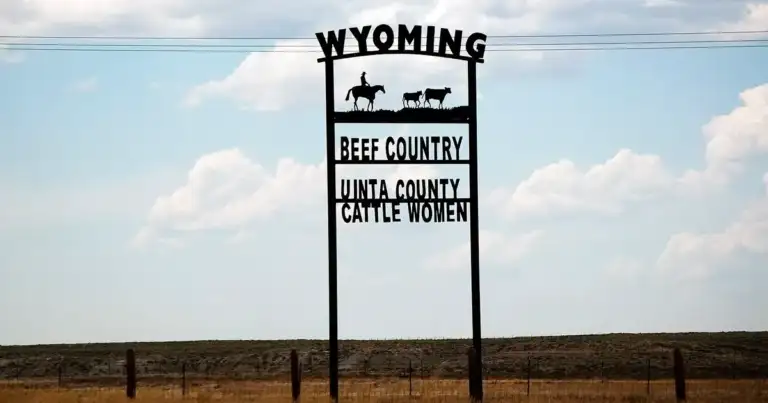

Wyoming’s legendary pastures aren’t just dry; they’re dying, and with them, the very foundation of our premium beef industry is under siege. What we’re witnessing isn’t merely a price hike; it’s a fundamental, brutal shift in the economics of one of Wyoming’s most cherished traditions. Our way of life, etched into the very soil, is being relentlessly squeezed.
The Squeeze on Our Ranches
Walk onto any ranch in Johnson County today, and you’ll feel a palpable tension. Seventy percent of Wyoming is gripped by severe drought, with vast swathes of the eastern and central regions facing extreme, desolate conditions. This isn’t just dry dirt; it’s the death knell for forage, turning once-lush grazing lands into dust bowls.

Ranchers are forced into
impossible choices,as Sarah Jenkins, a third-generation rancher, starkly put it. The Wyoming Livestock Board confirms it: our cattle inventory has shrunk by a devastating 8-10% in the last year. This isn’t just fewer cows; it’s ranchers culling precious breeding stock, mortgaging future supply to survive today.
Then, layer on the relentless, unforgiving inflation. Diesel, the very lifeblood of transport and machinery, has jumped another 3% since late April, partly thanks to distant Strait of Hormuz closures. Hay, the critical supplemental feed, is
through the roof.
One RFD commenter cynically nailed the grim reality:
How can strong calves outrun $6/gallon diesel?The answer, blunt and painful, is they can’t. The costs are simply unsustainable.
A Luxury, Not a Staple
For Wyoming families, this translates directly and painfully to the dinner table. Grocery stores from Cheyenne to Laramie just slapped another 5-7% on popular beef cuts this week, a fresh gut punch to household budgets.
Beef used to be a staple, now it’s becoming a luxury,a Casper shopper lamented.
Dr. Emily Carter, an agricultural economist at the University of Wyoming, isn’t sugarcoating it: this relentless convergence of environmental catastrophe and economic factors is
one of the most significant challenges to Wyoming’s beef industry in decades.The USDA’s numbers don’t lie; they show beef inflation at a staggering 16.4% against a mere 2.7% overall inflation. This isn’t just a blip; it’s a profound, systemic revaluation of what it truly takes to put Wyoming beef on your plate.
Nathaniel Blackfeather’s Red Marker Verdict:
Let’s be brutally honest. While some economists might parrot the line that
producers are cashing in on a rare win,that’s not just a facile take; it’s a dangerous lie. The real villain here isn’t a single entity, but the confluence of forces—the unyielding drought, the inflationary spiral, and geopolitical tremors.
The “win” for ranchers is a desperate, daily fight for survival, a temporary, meager offset against crippling long-term costs that threaten to dismantle a multi-generational way of life. The actual power motive isn’t greed; it’s the raw, instinctual drive to keep the gates open, to maintain a heritage that defines Wyoming. The hypocrisy lies in expecting our premium beef to remain accessible when its production is under unprecedented financial and environmental duress.
This isn’t about profit margins; it’s about the soul of Wyoming agriculture being slowly, relentlessly squeezed dry.
The market expects these elevated prices to hold through 2027. So, the next time you sit down to a Wyoming steak, ask yourself: what is the true cost of this heritage? It’s not just the sticker price; it’s the struggle of families, the parched earth, and the relentless fight of a way of life that defines our state, now teetering on the brink. Will we stand by and watch it fall?
Source: Google News