

Omaha Sends Help as Wildfires Scorch Western Nebraska: Is “Unprecedented” the New Normal?
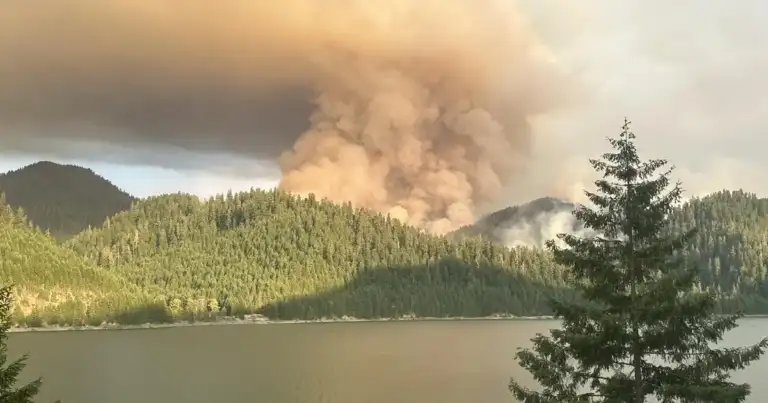
The Sandhills aren’t just burning; they’re being devoured. Western Nebraska is battling a firestorm that has already consumed over 150,000 acres, leaving a devastating trail of ash and shattered livelihoods. As of May 3rd, the Omaha Fire Department has deployed 20 wildland-trained firefighters, two brush trucks, a water tender, and a command vehicle to the “Prairie Creek Complex” in Cherry, Blaine, and Custer counties. This isn’t just a routine mutual aid call. It’s one of the largest in-state deployments OFD has made for wildfires in recent memory, a stark indicator of how dire things truly are for all Nebraskans. With containment clinging around a paltry 15-20%, conditions remain brutal. High winds and a prolonged drought, with 30-40% below average precipitation, have turned the landscape into a tinderbox. Dozens of homes, barns, and outbuildings are already gone – wiped off the map. Cherry County rancher Mary Beth Johnson captured the raw terror:“It’s terrifying. We lost everything last night.”Her sentiment echoes across devastated communities like Thedford and Mullen, where mandatory evacuations are still in effect. Omaha Fire Chief John Smith offered the expected line:
“When our fellow Nebraskans are in need, we answer the call.”State Emergency Management Agency Director Sarah Jenkins called the situation
“critical” and “unprecedented.”But is “unprecedented” truly the right word, or just a convenient shield?
The “Unprecedented” Reality Check
Let’s cut through the noise about “unprecedented.” While the sheer scale and early-season intensity of the Prairie Creek Complex are indeed alarming – it’s already burned more acreage than all of 2023’s wildfires combined – this isn’t some bolt from the blue, some freak occurrence. This is a predictable, devastating outcome of prolonged drought and changing climate patterns that we’ve seen coming for years. We can label it “unprecedented” all we want, but it’s a terrifying trend, not an isolated anomaly. When will we finally admit it?The Red Marker Verdict
The true, agonizing cost of these fires won’t just be measured in charred acres or lost livestock. It’s the crushing burden of constant reactive measures from a state that consistently lags on proactive prevention. Governor Peterson’s hastily formed task force, announced on May 2nd, to review land management and controlled burn policies is exactly what happens after the disaster has ripped through communities, not before. State officials are now “considering” emergency funding for rural fire departments, many of whom are critically, dangerously under-resourced. This isn’t foresight; it’s a desperate scramble to manage a crisis that many, including dedicated firefighters and environmental experts, saw coming a mile away. The mainstream narrative praises the “spirit of Nebraska” and the heroic mutual aid, and that praise is deserved. But it glosses over the systemic failures, the chronic underfunding, and the political inertia that make such heroism tragically necessary in the first place. The real story here is that Nebraska taxpayers will foot the bill for years of recovery and rebuilding, all while the political class plays catch-up to a problem that’s been brewing for well over a decade. The “unprecedented” label isn’t just a comfortable excuse; it’s a damning indictment of a failure to adequately prepare. How many more acres must burn, how many more lives must be upended, before our leaders stop making excuses and start acting with the urgency this existential threat demands?Photo: Wikimedia Commons (query: Prairie Creek Complex)
Source: Google News