
Fifty-eight lives. That’s the devastating toll of motorcycle crashes in Utah during 2025, a record-shattering figure that paints a grim, undeniable picture of a crisis on our roads. The Utah Highway Patrol isn’t just “asking nicely” anymore; they’ve launched a renewed, high-visibility push to curb what has become an unacceptable body count.
Forget gentle public service announcements. This isn’t about polite requests; this is about boots on the asphalt.
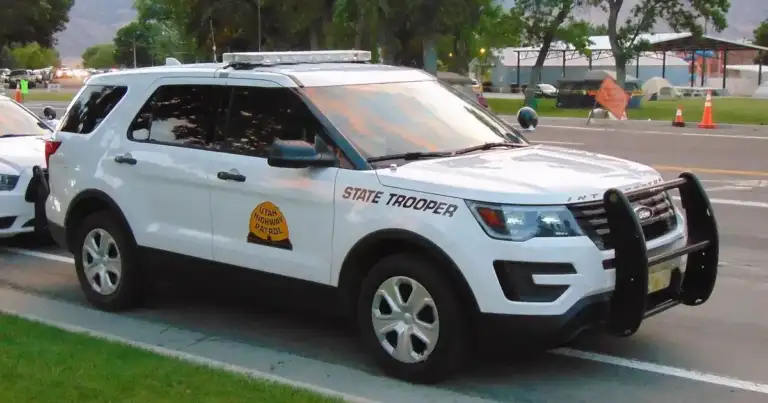
UHP troopers are deploying to notorious high-risk areas – the canyons, the major interstates – specifically looking for violations.
And let’s be crystal clear: they’re not just eyeing riders. While speeding, impaired riding, and reckless maneuvers by motorcyclists are squarely on their hit list, UHP Lieutenant Nick Street was quick to point out they’re also targeting distracted drivers and those who fail to yield. It’s a “shared responsibility” message, sure, but the driving force here is pure, unadulterated crisis management, plain and simple.
The Grim Reality: 58 Lives Lost
Fifty-eight lives snuffed out in a single year. That’s not just a statistic; it’s 58 families shattered, 58 communities grieving, 58 empty chairs at dinner tables.
This grim total crushes the previous high of 49 from just two years prior.
The data relentlessly points to familiar culprits: over 60% of these fatalities involved excessive speed, impaired driving by either party, or a critical failure to yield by another vehicle.
And the helmet issue? A staggering seventy percent of those killed weren’t wearing one or had it on wrong. Utah famously doesn’t mandate helmets for all riders, but these numbers scream a tragic truth: a simple piece of safety gear could have saved many of those lives.
Motorcycle advocacy groups, like ABATE of Utah, are quick – and right – to remind everyone that “Look Twice, Save a Life” is just as crucial for car drivers. Absolutely. But ultimately, the unforgiving pavement doesn’t care who was ‘more’ at fault when a rider goes down. The outcome is the same: tragedy.
UHP’s “New” Approach: More Than Just Talk?
After years of campaigns that delivered temporary relief but consistently failed to stem the long-term tide of fatalities, the obvious, burning question is: what makes this push any different? UHP Colonel Michael Rapich and UDOT’s Zero Fatalities program spokesperson Sarah Peterson are, predictably, talking about renewed commitment and preventable crashes. It’s the standard line, trotted out whenever the numbers get too ugly.
StateEdit’s Verdict: Beyond the Buzzwords
Emily Jensen’s Take: Don’t kid yourself. This isn’t some newfound altruism.
This “renewed commitment” is a direct, desperate reaction to the optics of a catastrophic 2025. Fifty-eight fatalities isn’t just a tragedy; it’s a huge black mark on the state’s safety record and a colossal strain on emergency services and healthcare budgets.
UHP isn’t just hoping for the best this time. They’ve got an internal, hard-nosed goal: cut fatal motorcycle crashes by at least 15% in 2026.
This isn’t about warm feelings and shared responsibility alone; it’s about hitting specific targets to prove they’re actually doing something.
The “data-driven deployment” and “holistic approach” with dealerships and training schools aren’t just buzzwords; they’re calculated moves to avoid another public relations disaster like last year.
This is about saving face as much as saving lives, and the only way that happens is with heavy enforcement and actual, measurable results.
So, buckle up, both riders and drivers. The UHP isn’t playing around anymore because they simply can’t afford to.
Photo: Copyright 2009
Source: Google News