
Montana, look outside. The spring flood season isn’t just coming; it’s already here, and it’s shaping up to be a brutal one.
The Department of Natural Resources and Conservation (DNRC) isn’t mincing words, and neither should you.
With mountain snowpack stubbornly above average and temperatures poised to skyrocket 10-15 degrees above seasonal norms, the melt-off is now a full-blown deluge.
The Predictable Deluge
The official advisory dropped on April 29th, swiftly followed by amplified warnings from local emergency managers and the National Weather Service.
Why the urgent alarm? Our mountains are absolutely bursting at the seams.
Basins like Flathead, Clark Fork, and Bitterroot report Snow Water Equivalents (SWEs) between a staggering 110% and 130% of their 30-year average. Central Montana isn’t far behind.
Now, picture this: daily highs hitting a scorching 65-75°F, with overnight lows stubbornly refusing to dip below freezing.
That’s not a gentle, controlled melt; that’s a rapid thaw, a cataclysmic deluge waiting for its moment.
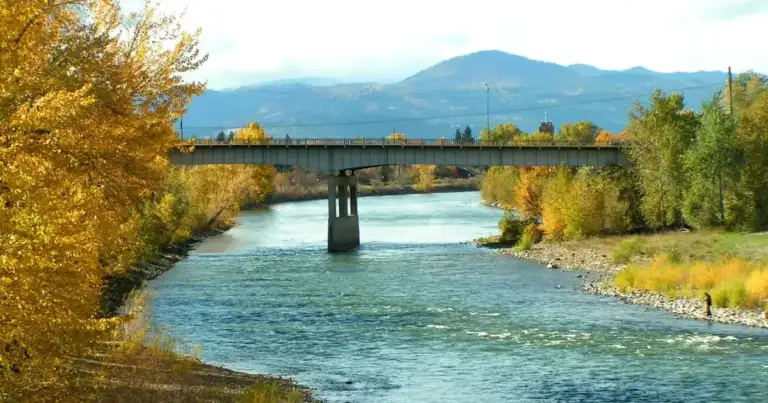
The rivers aren’t just rising; they’re surging. The Clark Fork near Missoula and the Flathead near Kalispell have already clocked breathtaking increases of 500-1000 cubic feet per second in a mere 24-48 hours.
This isn’t some abstract projection; the water is here, it’s relentless, and it’s a terrifying mix of cold, fast, and packed with treacherous debris.
Local NWS offices across Missoula, Great Falls, and Billings haven’t just issued advisories; they’ve slapped urgent flood watches on specific, vulnerable areas, and for damn good reason.
Who Pays the Price?
State officials will trot out the usual lines about public safety, and emergency managers will dutifully tell you to stack sandbags. They’re not wrong, of course.
But let’s cut through the platitudes and get real about who truly pays the steepest price.
Farmers and ranchers are already staring down saturated fields, facing delayed planting, and grappling with the very real, heartbreaking threat of damaged crops and drowned livestock in low-lying pastures.
Homeowners in historic floodplains aren’t just dusting off emergency kits; they’re reliving the gut-wrenching nightmares of 1997, 2011, or 2018.
These past events collectively ripped through communities and cost tens of millions in damages.
And for recreationists? Ignore the stark warnings about fast, cold, debris-laden water at your absolute peril; this isn’t just a bad year for a casual river trip, it’s a death trap waiting to happen.
Beyond the Sandbags: The Annual Reckoning
Every single year, it’s the same infuriating song and dance. Heavy snowpack, then a rapid warm-up, then the “surprise” flood warning.
But let’s be clear: there is no surprise here. This isn’t some unforeseen act of nature; it’s Montana’s most predictable, devastating annual natural disaster.
While the mainstream narrative fixates on ‘preparedness’—which is fine for the immediate, terrifying threat—the real story is the consistent, multi-million dollar economic gut-punch.
Montana’s communities and agricultural backbone absorb this economic hit year after relentless year.
These aren’t just ‘natural events’; they are the predictable, brutal consequences of our unique geography and shifting climate patterns.
These consequences consistently drain local economies, decimate property values, and disproportionately crush those least able to afford the damage.
The emergency warnings are nothing more than a temporary bandage; the gaping, underlying wound is an annual reality we, as a state, simply keep patching over.
We hope it will somehow heal itself. It won’t. When will we truly address the predictable deluge?
Source: Google News