
Colorado’s high country isn’t just picturesque; it’s facing a reckoning. The whispers of scarcity have exploded into an undeniable roar across the Arkansas River Basin and the Western Slope. Water, the very lifeblood of our agricultural economy, isn’t just scarce – it’s becoming a luxury, forcing high-stakes decisions on the people who put food on our tables.
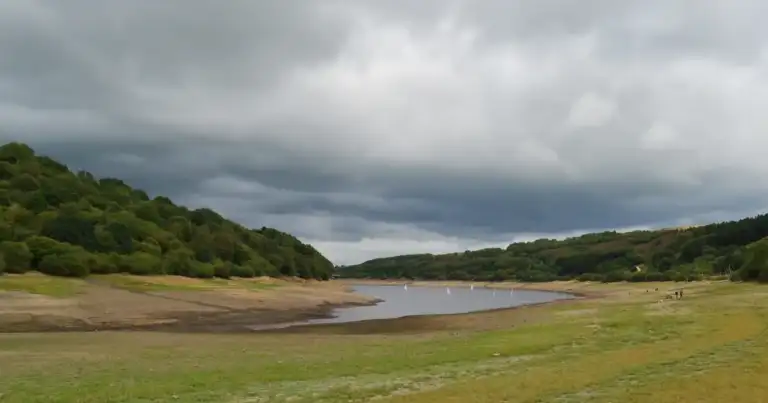
The Colorado River Basin isn’t just ‘on a knife-edge’; it’s teetering. Latest figures from the Colorado Basin River Forecast Center, released April 30th, are a gut punch: spring runoff into Lake Powell and Lake Mead remains stubbornly below average.

State water officials and agricultural representatives met on April 29th, hammering out summer allocation models that guarantee deeper cuts. For Colorado’s farmers and ranchers, this isn’t some distant forecast; it’s a direct order to adapt—immediately, expensively, and brilliantly.
The New Gold Rush: Strategic Adaptation
Forget the sepia-toned images of farming. What’s actually happening in Colorado’s fields is a brutal, brilliant lesson in survival and reinvention. The real innovators aren’t just praying for rain; they’re pouring life savings into solutions.
Massive investment in drip irrigation systems offers a high-tech answer to optimizing every precious drop. Fields that once guzzled water from traditional flood irrigation are being radically transformed. Some are fallowed entirely to conserve, others replanted with drought-resistant crops.
This isn’t just adaptation; it’s a strategic war on scarcity. It demands foresight and a gut-wrenching commitment of capital. The true harvest here isn’t just corn or alfalfa; it’s the sheer grit and advanced operational intelligence required to thrive when the well is running dry.
Take the farmers gutting their entire crop portfolio. They’re not just planting seeds; they’re running complex risk analyses, weighing market trends against dwindling water availability. They make calculated, high-stakes bets on Colorado’s agricultural future.
This isn’t just ‘entrepreneurial spirit’; it’s an unwavering, defiant commitment to innovation in the face of environmental challenge. These are the sharpest players in the game, the ones who know their future isn’t about hoping for more, but about squeezing every last drop of value from less.
Red Marker Verdict: The Real Game is Control
Let’s cut through the romanticized narrative of ‘plucky farmers adapting.’ While individual producers are indeed making heroic efforts to survive, the real game, the brutal truth, is about control over a diminishing, astronomically valuable asset: water rights. The ‘frustration’ you hear from farmers isn’t just about the fickle weather; it’s about feeling like pawns on a high-stakes chessboard, where bureaucratic delays and opaque compact negotiations unilaterally dictate their very existence.
The endless ‘discussions’ and ‘reviews’ by state officials, while perhaps necessary, too often obscure the naked financial motives at play. Let’s ask the critical question: Who really stands to gain when water becomes scarce enough to be reallocated? It’s almost never the farmer.
It’s the sprawling urban developers, the insatiable industrial interests, and those with the deep pockets and political muscle to snatch up senior water rights. The heroic adaptation efforts of our farmers, while vital, can inadvertently provide cover for a systemic, chilling shift. Water morphs from a shared public resource into a tradable, speculative commodity.
The hard truth is stark: while some are fighting to grow food, others are quietly, strategically acquiring the very means of production for an entirely different, and far more lucrative, purpose.
These farmers, pouring their ingenuity and capital into sophisticated systems, aren’t just adapting; they are our true heroes, not as victims, but as astute business warriors responding to an engineered scarcity. So, next time you’re at the market, seek out their produce. Understand that their ingenuity is the real premium offering in a state grappling with its most fundamental resource.
But don’t just admire their grit. Demand accountability. If we don’t challenge the quiet commodification of our water, the ‘new gold rush’ won’t just be about innovative farming – it’ll be about who owns the very right to life in Colorado.
Photo: Wikimedia Commons (query: Colorado drought adaptation)
Source: Google News