











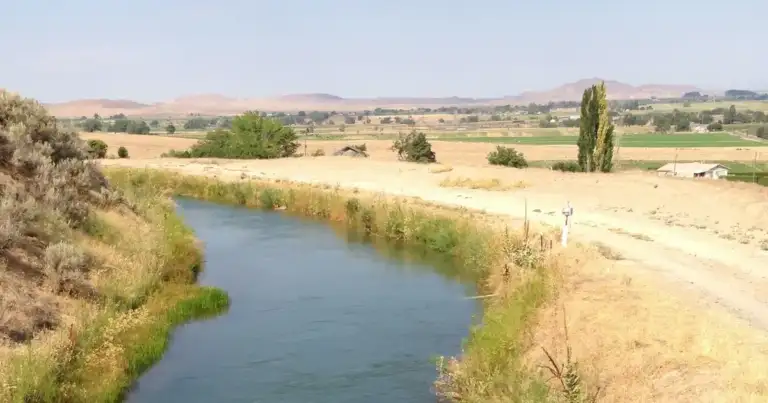

The landscape of Idaho’s Treasure Valley is undergoing a profound transformation, one that is reshaping communities and challenging long-held notions of rural life. As of late April 2026, the rapid population and economic expansion that has characterized the region for years has only intensified, with the most dramatic shifts now observable in what were once considered the quiet, outlying communities. Towns like Star, Kuna, Middleton, and even the expanding peripheries of Caldwell and Nampa, are no longer just bedroom communities; they are burgeoning boomtowns, grappling with an influx of new residents and the escalating challenges and opportunities that come with such explosive growth.
The Shifting Sands of the Treasure Valley
For decades, the allure of the Treasure Valley has been undeniable: a blend of natural beauty, economic opportunity, and a quality of life that seemed to strike a perfect balance. However, the scale of recent growth has propelled this balance into uncharted territory. What we are witnessing is not merely incremental development, but a wholesale redrawing of the demographic and economic map. Over the past 48 to 72 hours alone, local government discussions and community reports have underscored the urgency of addressing this rapid expansion, as these once-sleepy locales strain under the weight of their own success.
The draw is multifaceted. For many, the promise of more affordable housing compared to Boise’s escalating prices, coupled with the appeal of a quieter, more community-oriented lifestyle, has been a powerful magnet. Businesses, too, are following the population, seeking new markets and lower operational costs. This has created a vibrant, if sometimes chaotic, environment where new subdivisions sprout seemingly overnight, and main streets, once characterized by local mom-and-pop shops, now see the arrival of national chains and diverse new enterprises.
Navigating the Rapids: Challenges of Growth
While economic vitality is often celebrated, the speed and scale of this transformation present significant hurdles. The most immediate and pressing concern for these rural boomtowns is often infrastructure. Roads, designed for a fraction of the current traffic, are now congested arteries. Water and sewage systems, built for smaller populations, are pushed to their limits, requiring massive, costly upgrades that local municipalities often struggle to fund. Schools are seeing enrollment numbers soar, leading to overcrowded classrooms and the urgent need for new facilities and teaching staff.
“The challenge isn’t just building more, it’s building smart. We need to ensure that growth enhances, rather than erodes, the very qualities that drew people here in the first place.”
Beyond the tangible, there’s the intangible cost. The distinct character and agricultural heritage of these towns are under threat. Long-time residents often express a sense of loss, witnessing their familiar landscapes transform into sprawling developments. The fear of losing that small-town identity, that sense of close-knit community, is a palpable concern that local leaders must address with sensitivity and foresight. Moreover, the very affordability that initially attracted many new residents is now eroding, as increased demand drives up housing costs and property taxes, potentially displacing those who have called these places home for generations.
Seizing the Momentum: Opportunities for a New Future
Yet, amidst these challenges, there are undeniable opportunities. The influx of new residents brings a broader tax base, which, if managed wisely, can fund the very infrastructure improvements and public services these communities desperately need. New businesses create jobs and diversify local economies, making them more resilient to economic downturns. The arrival of diverse populations can also enrich the cultural fabric of these towns, introducing new perspectives, traditions, and ideas.
This period of intense growth also presents a critical juncture for innovation in urban and regional planning. These communities have the chance to implement forward-thinking strategies for sustainable development, preserve green spaces, and design walkable, vibrant neighborhoods that foster community rather than simply expanding outward. It’s an opportunity to learn from the growth patterns of larger cities and proactively plan for a future that balances development with environmental stewardship and quality of life.
The dramatic growth in Treasure Valley’s rural boomtowns is a double-edged sword. It signifies economic health and desirability, but it also demands thoughtful, proactive governance and robust community engagement. As Star, Kuna, Middleton, Caldwell, and Nampa continue their rapid expansion, the decisions made today—or delayed—will irrevocably shape their character for generations to come. The goal must be to harness the momentum of growth to build stronger, more resilient, and ultimately, more livable communities for all.
Photo: Wikimedia Commons (query: Treasure Valley)
Source: Google News
