
After years of relentless advocacy and legislative wrangling, Kentucky’s medical cannabis program is finally a reality, bringing long-awaited relief to patients and new economic avenues for entrepreneurs across the Commonwealth. But don’t pop the champagne just yet. A dark cloud, a direct legacy of the Trump administration, still hangs heavy over every single plant grown, every dollar exchanged, and every patient served in Kentucky.
The Sessions Hammer: A Lingering Threat
The critical moment wasn’t some grand announcement, but a quiet, calculated move by Attorney General Jeff Sessions in January 2018. Sessions, a staunch prohibitionist, rescinded the Obama-era Cole Memo. This guidance had previously offered a fragile shield, telling federal prosecutors to largely stand down in states where cannabis was legal.
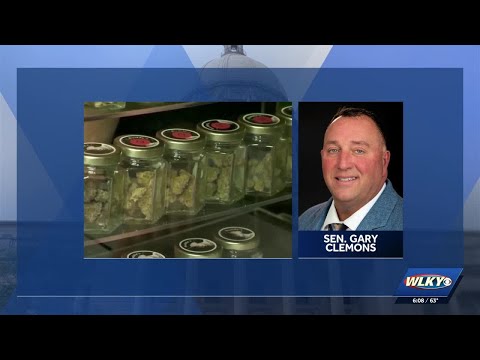
Its evaporation left state-legal cannabis businesses, including Kentucky’s nascent medical market, exposed to federal prosecution under the Controlled Substances Act.
Suddenly, every cannabis business, from large multi-state operators to small Kentucky cultivation facilities, was technically operating in violation of federal law. While federal crackdowns haven’t materialized en masse, a legal Sword of Damocles hangs precariously overhead. This isn’t just theoretical; it’s a cold, hard reality impacting banking access and investor confidence.
Try opening a standard business account for a cannabis dispensary; most federally regulated banks will slam the door. This forces legitimate businesses to operate largely in cash. Who, in their right mind, wants to sink millions into an industry that could be raided by federal agents tomorrow, simply because an outdated law remains on the books?
Kentucky’s Risky Bet
Kentucky lawmakers pushed forward with medical cannabis despite this federal uncertainty, driven by grassroots pressure and undeniable patient need. But the uncomfortable reality is, every participant in Kentucky’s medical cannabis program operates in a precarious legal gray zone.
From growers cultivating healing plants to dispensaries providing them, and especially the patients relying on them, state-level legality offers no protection from federal prosecution. One aggressive federal administration, or a zealous U.S. Attorney, could theoretically shut it all down. They could seize assets and destroy livelihoods at the stroke of a pen.
This isn’t just about political grandstanding; it’s about real money, real jobs, and real access to medicine. Businesses are making significant investments, hiring Kentuckians, and building infrastructure. Patients are relying on these products for their health and well-being.
The federal government’s stubborn refusal to align its laws with the overwhelming will of the states—and the people—puts every bit of that at risk. It’s a betrayal of common sense and a slap in the face to those seeking relief.
Red Marker Verdict:
Let’s be clear about what this federal foot-dragging really is. It’s not about public safety anymore; it’s about power and future tax dollars.
Washington watches states like Kentucky build entire industries from scratch. They let these programs take all the political heat and absorb all the legal risk. They allow them to mature, generate revenue, and prove viability.
Then, when the time is politically ripe, they’ll either swoop in to federally regulate and tax the hell out of it, or selectively enforce to make an example. It’s a calculated gamble on Kentucky’s part, and a cynical waiting game on D.C.’s.
The federal government gets to maintain its moral high ground while states do all the heavy lifting. They know full well they can always pull the plug if it suits their political or financial agenda. It’s federal overreach disguised as inaction, and Kentucky is caught squarely in the crosshairs.
Source: Google News