











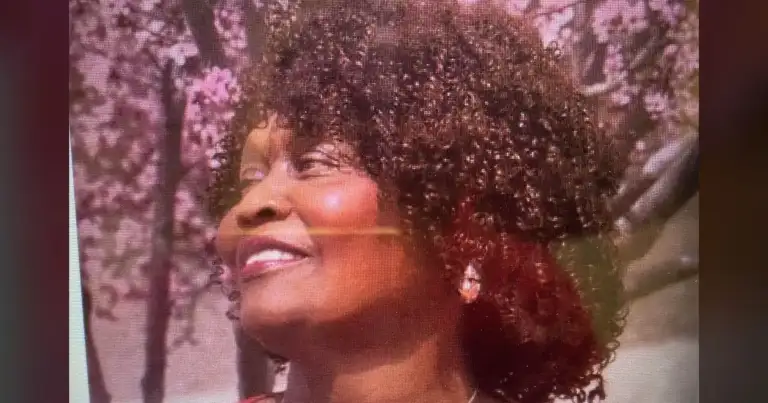

Forget the glitz, the neon, the carefully curated myths of Las Vegas. Ruby Duncan didn’t just walk the Strip; she shut it down. She didn’t just ask for dignity; she demanded it, a force of nature who passed away in October 2024 at 93.
Her “Welfare Mothers’ March” in 1969 wasn’t some polite protest; it was a seismic event, culminating in the closure of Caesars Palace in ’71 over brutal aid cuts. That’s the kind of power we’re talking about.

Yet, here we stand in April 2026, and the internet is a ghost town. Crickets. You scroll Reddit’s r/LasVegas, you scour X, and what do you find? Absolutely nothing.
Zero current buzz. No tributes, no trending hashtags, no viral TikToks celebrating her monumental legacy. This isn’t just an oversight; it’s a stark, brutal indictment of our collective memory, or lack thereof.
Forgotten in the Feed
Duncan’s death, when it happened, was a moment for local historians and a few dedicated souls. News3 ran clips, UNLV professors offered solemn eulogies. But the wider world, the one that lives and breathes on algorithms and outrage, simply scrolled past.
Why? Because Ruby Duncan doesn’t fit the mold of 2026’s performative online posturing. She wasn’t an influencer; she was an actual influence. She didn’t chase “clout”; she fought for justice.
Her story lacks the quick-hit virality the insatiable maw of online trends demands. There’s no easy culture-war hook, no simple meme to distill her decades of fighting for food stamps and a Westside library. She was a Black woman from Vegas’s underbelly, threatened by mob bosses, yet she fed her six kids and changed policy.
That kind of genuine, gritty radicalism is too analog for a generation that measures impact in likes and shares. It’s too real for the digital echo chamber.
The Digital Disgrace
The stark reality is this: Ruby Duncan’s profound impact, a cornerstone of Nevada’s social history, is currently irrelevant to the digital masses because it offers no immediate gratification. Her fight wasn’t for fleeting attention; it was for fundamental human rights. The online trenches, awash in AI-generated drama and culture war slop, simply don’t care about a 20th-century granny activist unless she can be tokenized or memed into a digestible soundbite.
This isn’t just about Ruby Duncan; it’s about what we, as a society, choose to remember and celebrate. Have we truly traded the substance of real struggle and lasting change for the fleeting dopamine hit of a trending topic? The hypocrisy is palpable: we preach social justice, yet willfully ignore the foundational battles fought by figures whose stories aren’t optimized for the outrage machine.
So, what’s the actual value here? It’s the profound, unglamorous truth of what it takes to genuinely move the needle for the vulnerable. It’s the reminder that real change often happens outside the digital spotlight, forged in the fires of relentless, thankless work.
Her story isn’t just history; it’s a blueprint for authentic, boots-on-the-ground advocacy.
Perhaps it’s time to step away from the endless feed, to truly seek out the stories that don’t scream for your attention but quietly shaped the world around you. Go beyond the algorithms. Find out what Ruby Duncan actually did.
Because the most vital truths aren’t always the ones served up on a silver platter; sometimes, they’re the hard-won victories buried beneath the noise, waiting for us to dig them out. Are you up to the task?
Source: Google News
