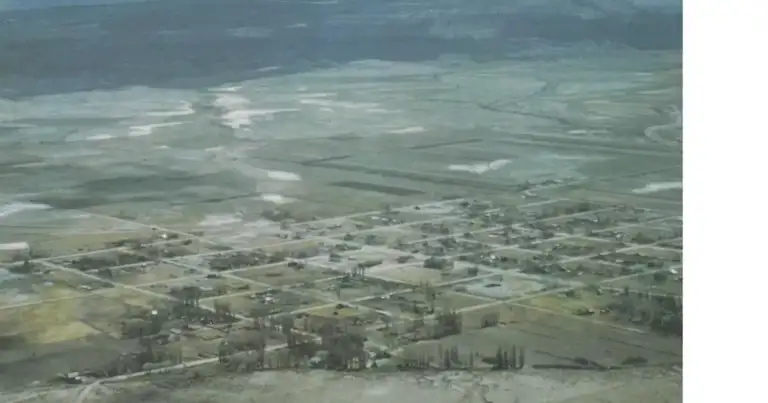

Emery isn’t just low on water; it’s bleeding dry. This small Utah town, like so many others across our parched state, is now forced to beg its residents to stop watering their lawns.
The reason? The water isn’t just ‘concerning’ or ‘scarce’; it’s gone. The canal flow has plummeted to a pathetic 3% of normal.

Meanwhile, the town guzzles an unsustainable 600 gallons per minute. This isn’t a shock; it’s the entirely predictable fallout of decades of denial.
No Green Lawns, Just Excuses
Emery’s decision isn’t a suggestion; it’s a total outdoor watering ban. Forget lush green lawns, forget backyard gardens. For residents like Laura Dixson, it means crying over dead plants and a vanished “livelihood.” She told local reporters, “no homegrown food, and zero warning before their ‘livelihood’ evaporates.” This isn’t some minor aesthetic inconvenience; it’s a gut punch to self-sufficiency, forcing families to shell out for overpriced groceries they once grew themselves.
Town officials, predictably nameless and faceless, trot out the same tired, corporate-speak. They claim, “We understand these restrictions are an inconvenience, but the data is clear: our current water supply simply cannot sustain unrestricted outdoor use through the summer.”
Data? Spare us the platitudes. We’ve been staring at this “data” for decades.
Utah isn’t just dry; it’s the second-driest state in the nation. This isn’t some sudden, unforeseen crisis; it’s the direct, ugly consequence of chronic mismanagement and a willful refusal to face the facts.
The State’s Thirsty Illusion
Make no mistake: this isn’t just Emery’s problem. While some cities might boast more robust pipelines, the entire damn state is teetering on a precipice. The U.S. Drought Monitor confirms that a staggering majority of Utah’s 29 counties are grappling with some level of drought, from ‘moderate’ to ‘extreme.’ Governor Spencer Cox and the Division of Water Resources issue constant, dire warnings, but what good are warnings when the taps are already running dry, and the state continues to act as if water is an endless resource?
Our major reservoirs across the state remain stubbornly below historical averages, a stark visual of our predicament. That “good” snowpack we celebrated earlier this year? It vanished faster than a politician’s promise.
Record-breaking early warm temperatures sent precious meltwater evaporating into the atmosphere instead of replenishing our dwindling reserves. This isn’t a localized hiccup or a bad year; it’s a systemic, state-wide failure.
We, the public, are constantly admonished to conserve every drop. Yet the state simultaneously greenlights massive, sprawling developments, relentlessly pushing population growth that our arid landscape simply cannot sustain.
Consider this chilling fact: urban outdoor watering devours a staggering 97% of residential water. Let that sink in. We are literally watering our future away.
“It’s tough to see my lawn turn brown, but I get it. We need to save water. I just hope everyone else is doing their part too.” – Laura Dixson, Emery Resident
That’s the kicker, isn’t it? Everyone’s “doing their part” while developers get rich building more houses that need more water.
Red Marker: The Real Cost of Denial
Let’s call this what it is: the bill for decades of pretending an arid desert could sustain endless growth and lush green suburbia. The financial motive is clear: keep building, keep selling, keep expanding tax bases, and worry about the water later.
“Later” is now. The “inconvenience” officials mention is the direct result of their own short-sightedness and the state’s unwillingness to impose real, hard limits on who gets to build what, where.
The hypocrisy is not just glaring; it’s an insult. We penalize average families for a brown lawn while agricultural interests — often the biggest water users — suck up the lion’s share with little oversight.
Developers, meanwhile, push projects in areas that have no business supporting human habitation. This isn’t merely about one town running out of water; it’s about an entire state stubbornly refusing to reconcile its insatiable growth ambitions with its undeniable geographic reality.
The “new normal” isn’t just less water; it’s a constant, anxiety-inducing cycle of panic, draconian restrictions, and the public paying the ecological and financial price for the powerful’s inaction. Emery is just the canary in the coal mine.
Expect more towns to hit critical levels, and sooner than you think. This is not the end; it’s merely the terrifying beginning.
Source: Google News