
The Grand Plan Derailed
For months, Royals ownership and their local cheerleaders spun a dizzying narrative: urban renewal, an economic boom, a vibrant new chapter for Kansas City. It was a carefully crafted fairytale. The price tag? A staggering $1.9 billion for the stadium alone, part of a $3 billion mixed-use project. But the real question, the one always glossed over, was who would foot the bill. Royals owner John Sherman dangled a promise of $1 billion in private funding—a promise contingent entirely on Jackson County voters extending a 3/8-cent sales tax for four decades. A classic bait-and-switch. But the public, thankfully, proved far more discerning than the backroom deals and slick PR campaigns had anticipated. Question 1, the ballot initiative, was rejected by a decisive 58% of voters. This wasn’t a close call; it was a resounding, unequivocal ‘No.’ John Sherman’s subsequent statement, expressing “deep disappointment” and a need to “reflect,” rings hollow. What exactly is there to reflect on when the electorate has spoken so clearly? Jackson County Executive Frank White Jr. put it succinctly:The voters have spoken.Indeed, they have.
What It Truly Means for Kansas
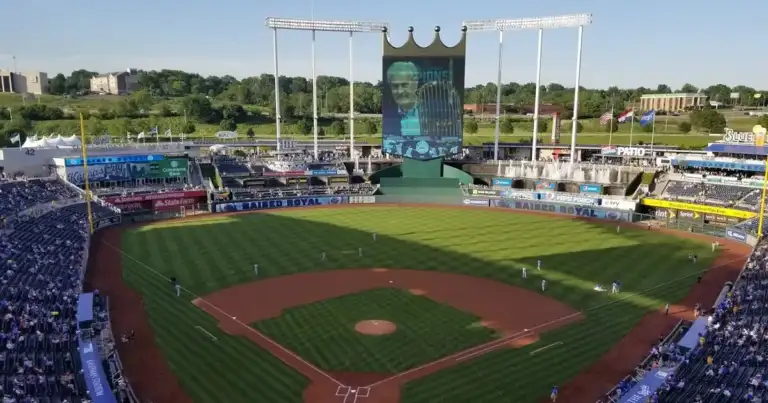
While the ballot box was across the state line in Missouri, the fallout for Kansas is undeniable, especially right here in our corner of the Kansas City metro. This isn’t just about a stadium; it’s about significant regional capital, thousands of potential jobs, and the very cultural heartbeat of our shared urban core. The Royals’ lease at Kauffman Stadium expires in 2031. That’s a ticking clock, folks, and now the team lacks any clear, publicly-funded path for its desired downtown future in Missouri. This impasse, frankly, doesn’t just throw the door wide open for Kansas; it rips it right off its hinges. For years, there’s been more than just quiet chatter among our own legislators and business leaders in Wyandotte County about the allure of a major league franchise. It’s been a persistent hum, a strategic whisper. The prospect of attracting the Royals, now left without a clear path forward in Missouri, shifts from a distant, whispered dream to a tangible, immediate opportunity. Imagine the economic jolt, the undeniable prestige, the direct real estate development potential right here in Kansas City, KS. The groundwork, the vision, the infrastructure—it’s always been here. Now, the timing isn’t just perfect; it’s practically screaming our name.The Red Marker Verdict
Let’s be absolutely clear: this wasn’t about whether Kansas City needs a new ballpark. This was about a billionaire owner attempting to strong-arm hardworking taxpayers into funding his private asset appreciation, all under the thinly veiled guise of “urban revitalization.” The public saw through the veneer. They correctly identified it for what it was: a blatant handout, corporate welfare dressed in a baseball uniform, at a time when our local services, infrastructure, and schools often struggle desperately for funding. The sheer hypocrisy of demanding public coffers be opened for a private enterprise, contingent on their own ‘private’ investment, was not lost on the electorate. The real game isn’t played on the diamond; it’s played in the boardroom, and this time, the citizens of Jackson County didn’t just call a foul – they called the whole game. So, the Royals are left without their sales tax windfall. The $3 billion downtown dream, for now, remains exactly that—a dream. But for us in Kansas, this isn’t a setback; it’s a monumental opportunity. The question now isn’t if the Royals will seek new options, but where. Could Kansas, with its proven vision for growth and a willingness to negotiate on truly different terms, become the unexpected, triumphant hero in this high-stakes regional play? The ball, my friends, is now firmly in our court.Source: Google News