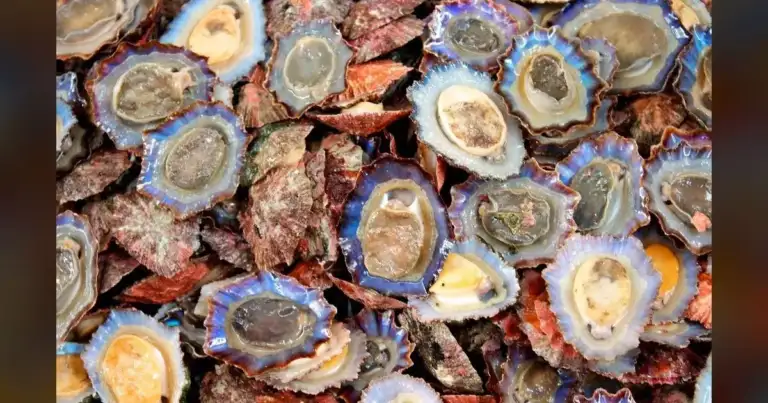

Forget postcard-perfect views for a moment: Western Washington’s beloved shellfish — the mussels, clams, and oysters that define our coastal identity — are under siege.
An unseen menace in our waters has forced the Washington State Department of Health (DOH) to shut down harvesting across vast stretches of our coastline, from the familiar shores of Hood Canal to the pristine San Juan Islands.
Microscopic toxins are making our cherished local seafood lethal. This isn’t some distant problem; it’s a direct threat to our dinner plates and our way of life.
The Silent Threat in Our Waters
This isn’t about some exotic new species or a foreign invader. This is about naturally occurring marine biotoxins, the kind that cause Paralytic Shellfish Poisoning (PSP) and Diarrhetic Shellfish Poisoning (DSP).
Let’s be brutally honest: these aren’t minor stomachaches. PSP can lead to severe neurological symptoms, paralysis, and even death. DSP will have you wishing for death, with extreme gastrointestinal distress.
The DOH isn’t playing games, as they absolutely shouldn’t be. Their recent advisories, issued in early March, have locked down dozens of popular recreational and commercial harvesting areas, impacting hundreds of square miles of prime shoreline, because routine monitoring found toxin levels spiking dangerously above public safety thresholds.
Think about that for a second. The very shellfish we love to gather and eat, the ones that tirelessly filter our waters, are now concentrating these microscopic poisons.
They look healthy, they smell fine, but they are ticking time bombs. This isn’t just an inconvenience; it’s a stark reminder of how fragile our connection to natural food sources truly is.
When Nature Turns Nasty: Harmful Algal Blooms
So, what’s behind this silent siege? Harmful algal blooms (HABs).
These aren’t just pretty swirls in the ocean; they’re explosions of microscopic marine algae that produce these nasty toxins.
Water temperature, nutrient runoff from land, and ocean currents all play a role in how and when these blooms erupt. It’s a constant, relentless battle for scientists and public health officials who are out there day in and day out, testing water samples and shellfish tissues, trying to track an enemy you can’t even see.
The DOH’s swift, decisive closures aren’t just bureaucratic red tape; they are our only defense against widespread illness.
The state is spending serious cash to monitor these invisible killers and shut down harvesting, not because they enjoy being the bad guy, but because the alternative is people dying or getting seriously sick.
This situation lays bare the intricate, often brutal, relationship between our environment and public health.
That “pristine” Puget Sound isn’t always so pristine; it’s a complex ecosystem that can turn a natural food source into a hazard without warning. This isn’t some abstract climate change debate; this is about whether you can safely eat what comes out of our own waters.
The Real Cost of Complacency
Most people, let’s face it, pay attention to environmental health warnings only when it impacts their dinner plate or their weekend plans.
This isn’t a “parasite” in the traditional sense, but it’s a stark reminder that the most dangerous enemies often lurk unseen, demanding constant vigilance and a healthy dose of respect for the environment we think we control.
An entire industry and public safety are on lockdown because of an invisible, microscopic threat.
This isn’t just about missing out on a clam bake; it’s a stark, undeniable warning about the health of our waters and the future of our local food sources.
It’s time we stopped treating our marine environment as an endless buffet and started seeing it for what it is: a delicate, vital ecosystem demanding our constant respect and vigilance.
Because if we don’t, the next closure might just be permanent, and the cost will be far greater than a cancelled dinner.
Photo: Photo by futureshape on Openverse (flickr) (https://www.flickr.com/photos/55231259@N00/5309074401)
Source: Google News