
Just when you thought spring might finally be here, Lake Koshkonong delivers its annual gut punch. The Wisconsin Department of Natural Resources has once again slapped a “closed” sign on the Lake Koshkonong Public Boat Launch, effective April 21.
So don’t bother hitching up that trailer; the water’s too high, the currents are too strong. Apparently, common sense isn’t common enough for them to just trust you with your own damn boat. It’s a predictable, frustrating ritual, and it’s time we stopped pretending it’s a surprise.
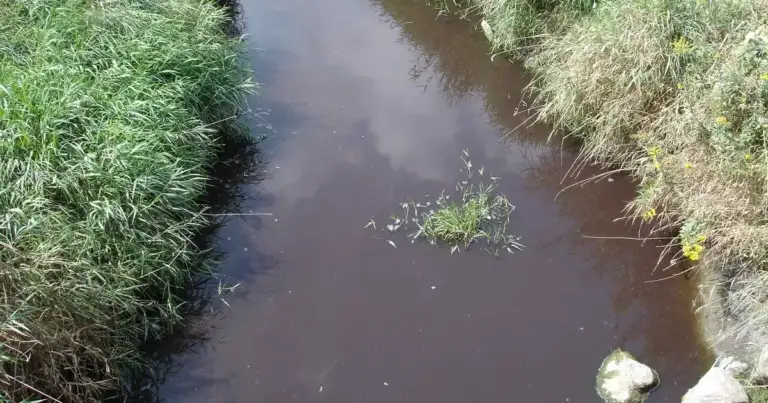
The official line from the DNR? “Public safety.” You know the drill, don’t you? Submerged ramps, dangerous debris, rip-roaring currents on Lake Koshkonong and the Rock River.
And sure, three to five inches of rain in just 72 hours will absolutely turn a quiet launch into a raging torrent. But let’s be blunt: is anyone truly surprised? This isn’t a random event; this is Wisconsin in the spring.
It’s becoming a predictable, inconvenient, and increasingly expensive ritual that we’re all forced to endure.
The Annual Drowning of Spring Plans
For thousands of folks across southern Wisconsin, Lake Koshkonong isn’t just a body of water; it’s the heart of their spring. It’s where fishing trips are planned, where weekend getaways are spent, and where countless local businesses make their living.
Think about the bait shops counting on early season sales, the lakeside taverns prepping for thirsty boaters, the marina services ready for tune-ups – they all feel the agonizing squeeze when the DNR pulls the plug.
While the state talks “safety,” the cold, hard reality on the ground is lost revenue and deeply frustrated families. This isn’t merely about a single boat launch being closed; it’s about the devastating ripple effect tearing through entire communities that rely on spring recreation to kickstart their year.
Of course, the official line rolls out like clockwork.
“The safety of the public is our utmost priority,” stated a Wisconsin DNR representative. “With water levels as high as they are on Lake Koshkonong, and the amount of debris and strong currents, the launch is simply not safe for public use. We urge everyone to respect the closure and exercise extreme caution on other waterways.”
We’ve heard it before, haven’t we?
We’ve heard it before, and the dates are seared into our collective memory: Spring 2023, Spring 2020, and now 2024. The pattern is not just clear; it’s screaming at us.
This isn’t a freak accident, a rare meteorological anomaly; it’s a recurring, intensifying feature of our Wisconsin landscape. Each year, it seems to worsen, the closures lasting longer, the damage more profound.
The real question isn’t whether Lake Koshkonong will flood, but when, for how long, and what exactly are we going to do about it besides putting up another sign?
More Than Just a Temporary Inconvenience
If you’re wondering if these closures are just a temporary inconvenience or a chilling sign of something deeper, you’re absolutely not alone. The hard, undeniable facts are staring us down, demanding our attention:
- Escalating Rainfall: Data from the Wisconsin DNR and the National Weather Service paints a stark picture: more frequent, more intense rainfall events have plagued Wisconsin over the last two decades. This translates directly to more flash flooding and dangerously higher river levels, especially when our heavy snowpack melts.
- Climate Reality: Leading climate models don’t mince words; they project consistently warmer temperatures and even more extreme downpours for Wisconsin’s future. So, yes, expect more of this, and worse.
- Outdated Infrastructure: Our existing flood control infrastructure? It wasn’t just built for yesterday’s weather; it was built for a different century. It’s straining under the pressure, it’s failing, and it’s showing.
- Mounting Economic Toll: The economic hit from these recurring closures isn’t just growing; it’s becoming a crippling burden. We’re not talking about a few lost weekends; we’re talking about millions in significant, non-recoverable revenue that vanishes, forcing a long-overdue conversation about serious investment in resilient infrastructure and smarter, more sustainable land use policies.
Let’s be clear: the DNR’s primary job is to protect people, and in the immediate, dangerous moment, closing a compromised launch is indeed the right call. No one argues that.
But focusing solely on immediate safety, year after year, without truly addressing the why behind this escalating, predictable problem is more than a disservice; it’s a dereliction of a larger duty.
We’re not just dealing with transient high water; we’re grappling with a systemic, deeply rooted challenge that’s hitting our recreation, our businesses, our livelihoods, and our wallets with brutal regularity.
The Annual Flood Tax
Let’s be brutally honest, because someone has to say it. The “public safety” pronouncements from the DNR, while immediately necessary, are a convenient cover for a deeper, far more inconvenient truth.
We, the people of Wisconsin, are paying an annual flood tax, and it’s not just measured in inches of water. It’s measured in lost business, shattered spring plans, disrupted lives, and the quiet, insidious acceptance that this is “just how it is now.”
The mainstream narrative will, predictably, focus on the immediate danger and the DNR’s swift, reactive action. But it conveniently sidesteps the real, uncomfortable conversation we desperately need to have.
The financial and political motive here isn’t truly to close the launch; it’s to avoid the colossal, politically unpopular expense of truly upgrading our aging infrastructure and making the hard, unpopular decisions about development in vulnerable floodplains.
It is infinitely easier and cheaper to put up a “closed” sign than to invest the billions required to prepare for a climate reality that is not coming – it is already here, pounding on our doors. We react, we don’t prevent.
And until that fundamental approach changes, until we demand real solutions instead of annual excuses, expect more “public safety” closures, more economic pain, and far less actual boating on Lake Koshkonong.
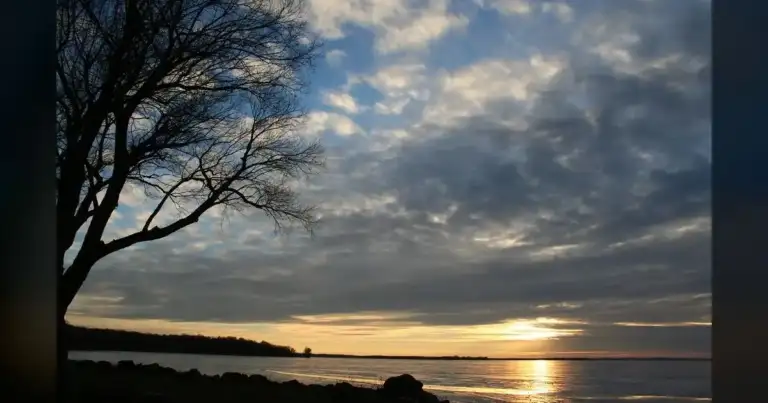
Photo: Photo by Ryan Ojibway on Openverse (flickr) (https://www.flickr.com/photos/97795627@N00/1322656263)
Source: Google News