
Forget the red carpet glamour. HBO’s ‘The Gilded Age’ isn’t just returning to Rhode Island for its fourth season—it’s returning because the state has mastered the art of turning history into cold, hard cash. The whispers started months ago, but now it’s official, and if you think this is just about entertainment, you’re missing the point entirely.
Newport’s Enduring Allure
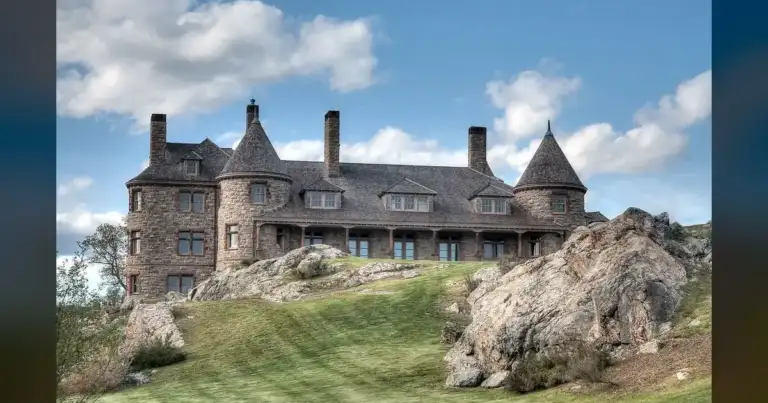
The grand dames of Newport—The Breakers, Marble House—are once again buzzing with activity. Production design teams and logistics coordinators are already swarming these iconic estates, laying the groundwork for principal photography to kick off in late May. You can practically smell the money in the air, mixed with a hint of old mahogany and saltwater.

Julian Fellowes knows what he’s doing. He understands Rhode Island’s authentic Gilded Age architecture is simply irreplaceable, providing the ultimate backdrop. It’s a tangible link to a bygone era of unparalleled opulence and cutthroat ambition.
The Rhode Island Film & TV Office, naturally, is positively gushing.
Executive Director Steven Feinberg is “absolutely thrilled,” talking up the “economic impact and global exposure.”
And why wouldn’t he be? This production is a golden goose, a guaranteed injection of millions into the local economy. Newport merchants, hoteliers, and restaurateurs are already polishing their silver, anticipating the influx of cast, crew, and the inevitable wave of film tourism.
As Sarah Jenkins, a savvy Newport boutique owner, told me recently:
“We definitely see an uptick in foot traffic and sales when they’re here. It’s great for business.”
The Cost of Prestige: A Closer Look
Make no mistake, this isn’t charity. This is a highly calculated economic play, a mutually beneficial transaction dressed up in the finery of cultural prestige. The state isn’t just rolling out the red carpet because it loves Julian Fellowes’ period dramas. It’s because ‘The Gilded Age’ has previously pumped over $50 million into the state economy for a single season, creating hundreds of jobs and boosting tourism. That’s a serious return on investment by any measure.
But let’s not get entirely swept away by the glitter. Let’s peel back the layers a bit. While the state touts “hundreds of jobs” and “millions of dollars,” the casting calls for local extras offer a “modest $350-$500.”
Is that a fair slice of the pie when the state is raking in millions? It’s a classic move: huge economic impact figures often gloss over where the lion’s share of the wealth actually lands.
The state gets the branding, the big names, and the tourism bump. HBO gets its authentic, irreplaceable locations and a generous tax break. The local extras? They get a story to tell and a taste of the glamour, for a few hundred bucks. For some, that’s enough, but it’s crucial to understand the full picture.
The Red Marker Verdict
Here’s the uncomfortable truth no one says out loud: Rhode Island isn’t just attracting ‘The Gilded Age’ because of its charming historical sites. That’s just the pretty packaging. It’s doing it because the state has built a system designed to lure these productions back, season after season. My favorite player in this whole saga? The Gilded Age mansions themselves. They are the silent, majestic power players, the ultimate premium asset that no amount of green screen can replicate. They are the reason HBO keeps coming back, period.
The villain? Not a single person, but the carefully constructed official narrative that paints this as a purely altruistic cultural boon. It’s a sophisticated business arrangement.
Rhode Island ensures its continued appeal through a potent 25% transferable tax credit on qualified production expenses. They’ve cultivated a skilled local workforce, ensuring top-tier talent is readily available.
A dedicated Film & TV Office doesn’t just process permits; it actively smooths the path for complex productions. They’ve fostered strong relationships with preservation societies and property owners. This isn’t pride alone; it’s smart business, shrewdly orchestrated to keep a major production hooked on the state’s unique blend of history and incentives.
So, while the headlines cheer on the ‘return,’ understand this: you’re not just witnessing a TV show. You’re seeing the predictable, highly profitable outcome of a shrewdly oiled machine.
This outcome highlights Rhode Island’s strategic positioning, not just its undeniable beauty. Next time you stroll past those magnificent Newport mansions, remember: you’re not just admiring history.
You’re witnessing Rhode Island’s brilliant blueprint for turning its past into a very profitable present. Go see it for yourself – and try to spot the dollar signs shimmering beneath the grandeur.
Photo: Photo by Martin de Lusenet on Openverse (flickr) (https://www.flickr.com/photos/22106301@N06/8748663039)
Source: Google News