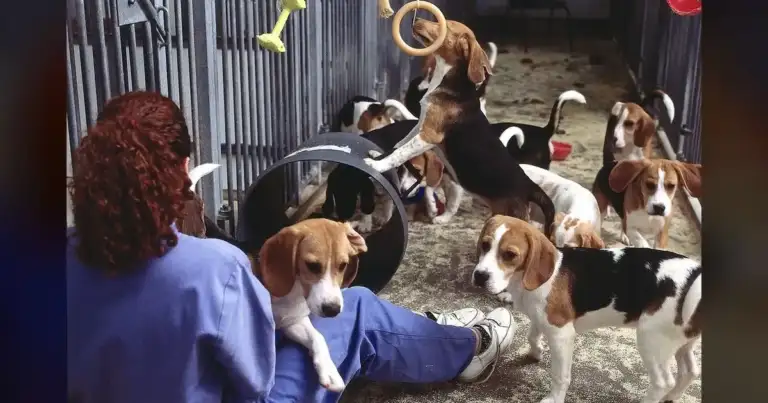

Forget the sanitized press releases. What unfolded in Marathon County late last year wasn’t a textbook animal rescue; it was a desperate, eleventh-hour scramble to pull over 70 dogs, including a pack of beleaguered beagles, from unimaginable filth. The official narrative might try to gloss over the chaos, but the whispers are clear: authorities moved in earlier than planned, pushed by circumstances that simply could not wait another agonizing minute.
Marathon County’s Canine Catastrophe
For months, a commercial breeding operation on a rural property outside Wausau festered, a sickening secret poisoning the air. Neighbors complained, their legitimate concerns repeatedly falling on deaf ears, dismissed by those who should have acted.

Then, the inevitable: a coordinated effort by the Marathon County Sheriff’s Office, local humane societies, and state animal control officials finally descended. They didn’t find a few neglected pets; they uncovered a living hell.
Over 70 dogs – a miserable, terrified mix of beagles, poodles, and various terrier breeds – were discovered in conditions that defy human decency and basic animal welfare standards. Veterinarians on-site documented cases of advanced dental disease, debilitating skin infections, severe matting that felt like a second skin, and widespread malnutrition.
The pervasive smell of ammonia and feces throughout the property wasn’t just unpleasant; it was a suffocating indicator of long-standing, egregious neglect. This wasn’t a sudden downturn or an unfortunate accident; it was a slow-motion catastrophe, a calculated cruelty that had been allowed to fester for far too long, right under our noses.
The “Day Early” Scramble
Forget the official line about “measured response.” Anyone with an ounce of sense knows these operations rarely unfold perfectly. The chatter behind the scenes isn’t just “suggesting” an accelerated timeline; it’s screaming it.
Was it escalating public pressure, finally reaching a boiling point? A crucial leak that forced their hand? Or perhaps the conditions inside that hellhole deteriorated so rapidly that delaying even a day longer was simply untenable, risking a public relations disaster even worse than the one they already faced?
Whatever the trigger, the action felt rushed, a desperate reaction to an unbearable situation rather than a proactive strike that could have prevented untold suffering.
The sudden influx of over 70 traumatized animals didn’t just “strain” local animal shelters; it overwhelmed them. The Humane Society of Marathon County and neighboring organizations were forced into an emergency overdrive, launching urgent, widespread public appeals for foster homes and donations. This wasn’t just a rescue; it was a community-wide clean-up operation, picking up the pieces of systemic failure.
The Unvarnished Truth About “Rescue”
Here’s the truth nobody wants to print, the uncomfortable reality we must confront: These “rescues” are rarely about proactive animal welfare. They’re about damage control, pure and simple.
A commercial breeder, raking in cash from misery, pushes the limits of legality and decency until the stench – both literal and metaphorical – finally reaches the county line. Enforcement agencies, often understaffed and underfunded, react only when the public outcry becomes too loud to ignore, when the optics become too damning to dismiss.
The notion of an “attempted raid” happening “a day early” isn’t some heroic foresight; it’s a stark indictment of a system forced to move before it’s truly ready, simply because the rot became undeniable. The real motive? These operations are allowed to thrive on the margins of legality and public indifference until a crisis explodes, and then we, the taxpayers and compassionate citizens, are left to pay the cleanup cost.
Don’t mistake a reactive scramble for a planned victory. This isn’t about saving animals; it’s about saving face for all involved who should have acted sooner, who should have listened to the whispers long before they became screams.
So, while we celebrate the temporary relief for these poor animals, let’s not forget the systemic failures that allowed their suffering. We must demand more than reactive clean-ups.
We must demand proactive enforcement, robust funding for animal welfare, and a clear message to those who profit from cruelty: Marathon County, and indeed all of Wisconsin, won’t stand for it. The next time, let’s ensure the “rescue” is a triumph of prevention, not a symbol of prolonged neglect.
Photo: Photo by www.understandinganimalresearch.org.uk on Openverse (flickr) (https://www.flickr.com/photos/90500915@N05/8223128721)
Source: Google News