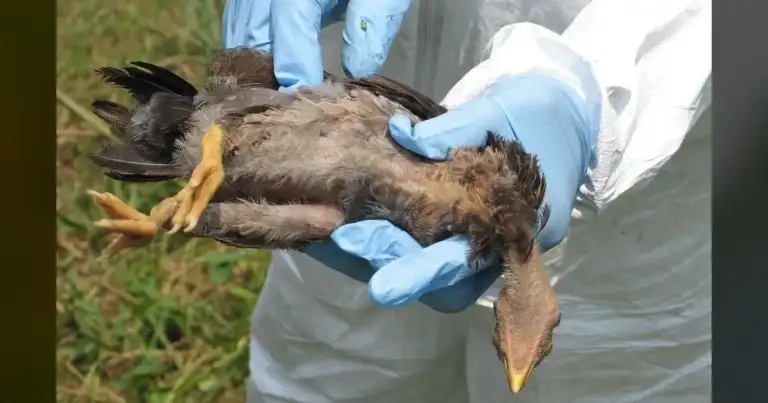

Colquitt County, the undisputed heart of Georgia’s poultry industry, just suffered a devastating blow. Last week, on April 17, the Georgia Department of Agriculture confirmed a new, highly pathogenic avian influenza (HPAI) H5N1 case in a commercial broiler flock in South Georgia.
This isn’t a minor setback; it’s a full-blown crisis. Tens of thousands of chickens were immediately condemned, depopulated, and turned into a biohazard.
A stringent 10-kilometer control zone is now locked down, restricting movement, and every poultry operation within that radius faces mandatory surveillance. This isn’t just news; it’s a gut punch to Georgia’s agricultural soul, threatening an industry that defines our state.
Ground Zero: Colquitt County Under Siege
The GDA, in lockstep with the USDA, is moving with the urgency of firefighters battling a rapidly spreading inferno. Their primary directive is crystal clear: rapid containment before this blaze consumes the entire state.
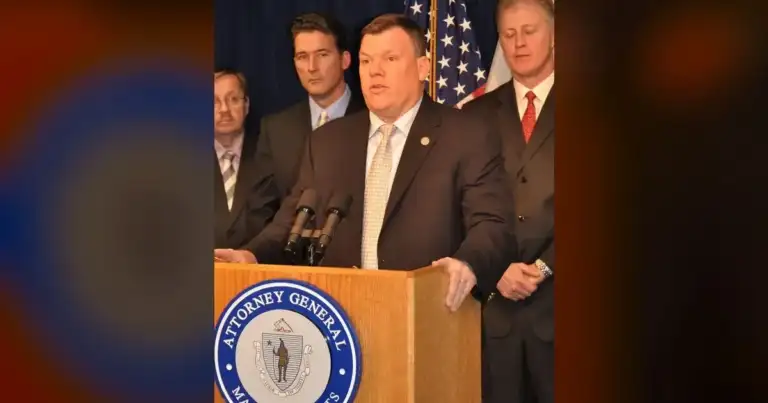
Commissioner Tyler Harper’s assurances about “protecting Georgia’s poultry industry and ensuring public health” ring hollow when you grasp the sheer magnitude of what’s at stake.
Georgia isn’t just *a* poultry state; we are *the* top broiler chicken producing state in the U.S. This $25 billion behemoth sustains over 140,000 Georgians, particularly in rural strongholds like Colquitt County. Can we afford to let this contagion spread?
Farmers across the state are on edge, frantically beefing up biosecurity measures and praying their flocks aren’t next.
The Georgia Poultry Federation is scrambling to “support affected producers,” but let’s be blunt: that support often feels like it stops the moment the culling begins.
The immediate economic hit to an individual farmer, whose entire livelihood is wiped out overnight, is nothing short of catastrophic. While the state’s larger industry attempts to shield itself, the human cost and personal devastation are borne by those who feed us all.
The Red Marker Verdict: Follow the Money, Not the Feathers
Make no mistake, when officials rush to “depopulate” tens of thousands of birds, it’s not solely about the theoretical risk to human health, which thankfully remains low, or even the immediate welfare of the chickens. This is about protecting a $25 billion industry from cratering.
It’s about maintaining Georgia’s standing in international trade and preventing a cascade of economic losses that would make previous outbreaks look like child’s play. The “robust biosecurity protocols” they trumpet? They’re a firewall, yes, but one that keeps getting breached.
Every time this H5N1 strain pops up, it rips open the inherent vulnerability of massive, concentrated agricultural operations. The real motive is simple: contain the damage to the smallest, most manageable ‘sacrifice zones’ to keep the larger profit machine churning.
The burden of containment, the financial ruin of a depopulated farm, falls squarely on the individual producer. State and federal agencies play an endless game of whack-a-mole to keep the bigger picture – Georgia’s economic engine – intact.
Consumers are being told, predictably, that properly cooked poultry and eggs are safe. And of course they are; the affected birds never make it to market.
But anyone who thinks this won’t eventually hit your wallet is deluding themselves. A widespread outbreak, or even repeated localized ones, inevitably means fewer birds and higher prices at the grocery store.
This isn’t just some abstract farm issue; it’s a direct threat to the financial stability of countless families and Georgia’s agricultural dominance.
We’ve faced HPAI before. We’ve supposedly learned our lessons. Yet, each new detection, especially in a region as economically critical as South Georgia, serves as a stark reminder.
Those “lessons” are often just reactive bandages, not preventative cures. The system, as it stands, is designed to respond, not necessarily to fully prevent.
The immense economic incentives for large-scale production consistently outweigh the constant, low-level threat of these outbreaks. It’s a calculated risk, a gamble with our state’s future, and right now, Colquitt County is paying the steepest price.
Photo: Photo by International Livestock Research Institute on Openverse (flickr) (https://www.flickr.com/photos/7155605@N03/5516593171)
Source: Google News