
North Carolina, let’s cut through the quiet charm of the Old North State for a moment. Forget the serene Blue Ridge Parkway. What we’re truly talking about is a bare-knuckle $6.2 billion corporate brawl that nearly seized control of our local news landscape, and how a challenge from our own backyard brought those powerful players to their knees.
The Game of Giants: Nexstar and Tegna’s Power Play
The proposed $6.2 billion merger between Nexstar Media Group and Tegna wasn’t just another friendly handshake. It was an audacious, colossal bid for absolute market dominance.

These aren’t minor players; they are undisputed titans of broadcast media, with hungry ambitions stretching across the nation, sinking their teeth deeply into North Carolina’s vital markets.
When companies this gargantuan decide to combine, the official line is always “synergy” or “efficiency.” But let’s be real: the true game is consolidating power, crushing competition, and extracting every last dime from local communities.
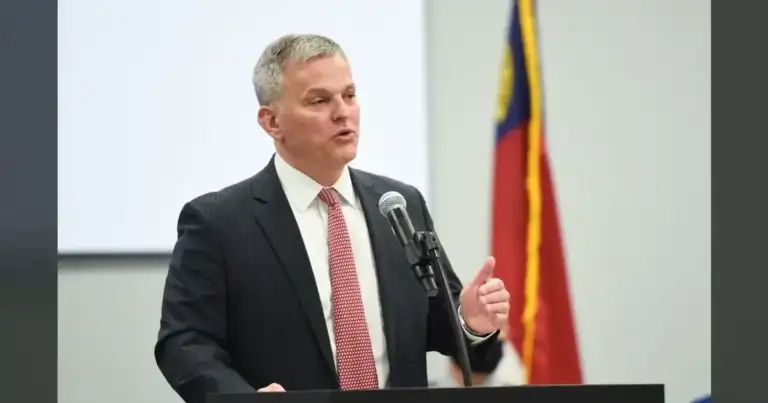
Our state’s Attorney General, a true champion for North Carolinians, along with seven other state AGs, didn’t just see through the corporate spin; they tore it down. They filed a fierce lawsuit.
Their argument was stark: this merger would brazenly violate antitrust laws, inevitably leading to higher consumer prices, a devastating reduction in local journalism, and dramatically decreased competition in dozens of markets.
DirecTV, a massive distributor, echoed these profound concerns, filing its own suit. They fully grasped the diminished bargaining power it would face.
This wasn’t some theoretical academic exercise. It was a cold, hard assessment of the inevitable disaster when too much control lands in too few, greedy hands.
The Regulatory Dance and Political Maneuvers
The sheer speed at which this deal attempted to ram through was nothing short of audacious.
While state attorneys general were bravely raising blaring red flags, the FCC and Department of Justice (DOJ) initially cleared the merger with alarming, almost suspicious, haste.
Nexstar, sensing a wide-open window, moved to slam the deal shut within a mere 24 hours of the lawsuit being filed. They were clearly hoping to outrun accountability.
Then-President Trump weighed in, throwing his full support behind the transaction. He bizarrely claimed it would “help knock out the Fake News because there will be more competition.”
This was a truly curious argument, given that a merger of this staggering magnitude typically annihilates competition, not creates it.
Meanwhile, the FCC, in its bewildering approval, stated the deal would “promote competition, localism, and diversity.” One has to wonder if they were looking at the same deal as everyone else.
Perhaps they were simply reading from a prepared script handed to them by corporate lobbyists. The disconnect was palpable, almost insulting.
Red Marker Verdict: The Naked Ambition of Consolidation
Let’s be brutally honest. This $6.2 billion gambit by Nexstar and Tegna was never about enhancing local news or giving viewers more choices.
It was about pure, unadulterated, unapologetic market consolidation. The singular goal was to eliminate rivals, dictate pricing, and inflate shareholder value.
This often came at the direct, devastating expense of the very communities they claimed to serve. The rapid-fire clearance by federal regulators, only to be challenged fiercely by state attorneys general, screamed of a fundamental disconnect.
The states saw the immediate, tangible threat to their citizens and local media. Federal agencies, for a terrifying moment, seemed to be operating on a different planet, or perhaps a different set of priorities entirely.
The North Carolina AG, and others, were the only ones truly holding the line against this power grab. It would have had lasting, corrosive impacts on our information ecosystem.
They understood that true competition, not corporate behemoths, is what truly fuels quality and offers real choice.
While this specific merger was ultimately halted – a victory we should all celebrate – the ravenous ambition for media consolidation remains a clear and present danger.
It’s a constant, urgent reminder that vigilance isn’t just important; it’s absolutely essential. We need to demand more – far more – from our regulators.
The fight for robust, truly local journalism isn’t just about headlines. It’s about the very backbone of our communities, the lifeblood of our democracy, and the flow of information that drives our economy.
Don’t let them tell you otherwise. This fight isn’t over; it’s just paused.
Source: Google News