
Missouri’s “Emergency” Is Just Another Tuesday: Or Is It?
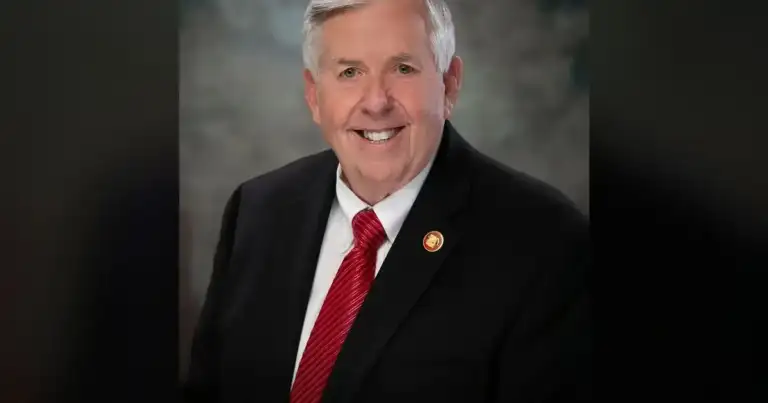
When Missouri Governor Mike Parson declared a State of Emergency last Thursday, most Missourians barely blinked. The public’s reaction was a collective, cynical yawn. On local Reddit threads and Facebook groups, residents quickly dismissed it as another political maneuver.
“Kehoe pulling the emergency lever again, like clockwork,” one user scoffed. Another sniped, “Gov’s emergency button is stuck; next it’ll be for pollen.” For many, this wasn’t a crisis; it was “overkill theater,” a predictable move in “flyover hell.”
The cynicism isn’t hard to understand; we’ve seen this play before. Skeptics immediately pegged it as “budget-padding for federal aid grabs.” “Declare early, rake in FEMA cash before a drop hits,” they argued.
“It’s the classic MO playbook,” people grumbled, numb to Tornado Alley’s endless weather whiplash. For many, Parson’s declaration was just boilerplate bureaucracy. But what if that “boilerplate” was precisely what stood between us and catastrophe?
The Reality Behind the Routine
Here’s the inconvenient truth: that boilerplate bureaucracy actually worked. While the public rolled their eyes, the state was moving. The declaration allowed state agencies to pre-position critical resources.
It wasn’t for show. This meant faster response times when the storms hit Friday, April 17th.
Multiple rounds of severe thunderstorms swept the state. This wasn’t a “pollen” emergency; it was a full-blown assault from Mother Nature, demanding a swift, coordinated response. At least 12 preliminary tornado reports came in, with three confirmed EF-1 or EF-2 tornadoes touching down.
Miller, Pulaski, and Phelps counties saw significant damage. Widespread straight-line winds and golf-ball-sized hail slammed a dozen other areas. Over 75,000 customers lost power.
Initial damage estimates hover in the tens of millions of dollars.
When Bureaucracy Delivers
The State of Emergency wasn’t just a formality; it was the engine of an effective response. MoDOT pre-positioned crews and equipment, ensuring they could clear downed trees within hours. Major roadways were reopened quickly, allowing emergency vehicles access where it mattered most.
The Missouri State Emergency Management Agency (SEMA) reported streamlined communication, meaning resource requests flowed faster and more efficiently. Missouri National Guard units deployed quicker for welfare checks, reaching vulnerable residents in record time.
Utility companies, supported by the state, mobilized additional crews from across the region. Over 60,000 customers had power restored within 24 hours – a remarkable feat given the widespread outages.
Governor Parson’s early declaration also heightened public awareness, prompting more people to take shelter and prepare. This proactive step is widely credited with the remarkably low number of severe injuries reported, despite the ferocity of the storms.
“Issuing this State of Emergency is a critical step to ensure our state agencies have every tool available to protect Missourians,” Governor Mike Parson stated on April 16, 2026.
“The proactive declaration allowed us to have personnel and equipment ready to deploy immediately, which has been invaluable,” the SEMA Director confirmed on April 18, 2026.
A local resident from Miller County summed up the terror: “It sounded like a freight train. Our barn is gone, but we’re just grateful everyone is safe.”
The public’s jaded “FEMA cash grab” narrative isn’t entirely pulled from thin air; politicians have certainly abused emergency powers. But this time, Parson’s declaration wasn’t about the optics of “action.” It was about unlocking the actual resources and coordination that demonstrably prevented worse outcomes.
The uncomfortable reality is that sometimes, the most mundane, predictable government moves—the ones everyone rolls their eyes at—are precisely what saves lives and property. This wasn’t a hero moment; it was the system, for once, actually working – a quiet triumph of planning over public perception. Perhaps it’s time we stopped looking for grand gestures and started appreciating the often-unseen effectiveness of boring bureaucracy doing its job.
Source: Google News