
Vermont, our cherished sanctuary of rolling hills and pristine lakes, isn’t just at a crossroads; it’s teetering on a precipice. The Green Mountain State, long revered as a beacon for those seeking genuine tranquility and a touch of refined rusticity, is contemplating a legislative maneuver that feels less like thoughtful stewardship and more like a desperate, ill-conceived lunge. H.B. 712, a proposed 2% surcharge on non-primary residences, is currently being shoved through the legislature, promising a quick fix to our housing crisis while simultaneously risking the very economic vitality that underpins our premium lifestyle.
The House Ways and Means Committee just wrapped up two days of intense public testimony on April 17, 2026. The air in Montpelier is thick with tension, a volatile mix of fervent hope and palpable dread.
Proponents, like the Vermont Housing Alliance, champion this tax as an indispensable tool. Amy Smith, the Alliance’s Executive Director, declared, “This 2% surcharge is a critical step. For too long, the skyrocketing cost of housing has systematically pushed out our teachers, our nurses, and our essential service workers.”
She’s not wrong; the state faces a staggering housing deficit, with median home prices soaring over 30% in just three years. The Joint Fiscal Office projects the tax could funnel a tidy $30-40 million annually into the “Vermont Affordable Housing and Community Development Fund.”
It sounds like a panacea, a swift stroke of the pen to right a decade of wrongs. But is it truly a solution, or just a costly distraction?
The Perilous Path to “Affordability”
While the stated intentions may be noble, the potential fallout is nothing short of disastrous. Vermont’s charm, its very essence, is inextricably tied to its appeal as a premier destination.
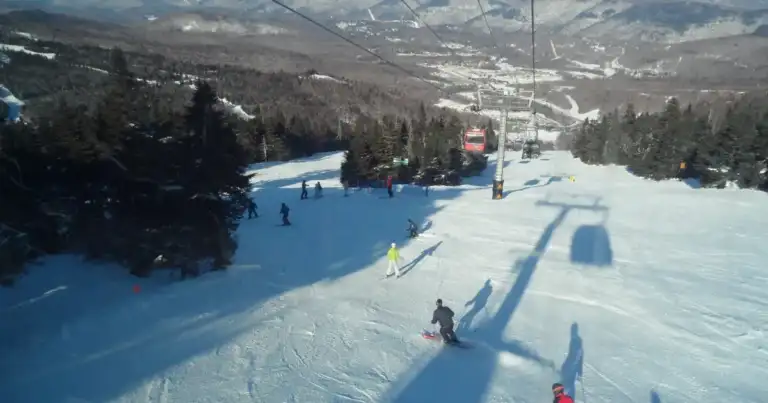
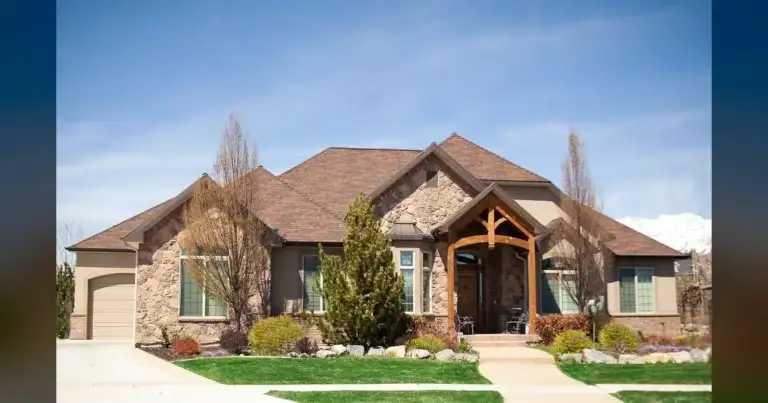
This appeal holds true whether for a quick weekend escape or a cherished seasonal retreat. Over 15% of our housing stock consists of second homes, a figure that skyrockets to a breathtaking over 50% in coveted resort towns like Stowe and Killington.
These “flatlanders,” as some locals affectionately (or not so affectionately) call them, are not just passive owners. They are active investors, voracious consumers, and loyal patrons who pump millions directly into our local economies. To ignore their impact is economic malpractice.
The Vermont Chamber of Commerce, represented by President Michael Johnson, delivered stark, unequivocal warnings to the committee. He stated, “This tax could send precisely the wrong message. We risk not just deterring new investment, but actively slowing existing real estate transactions, and ultimately gutting the very businesses that employ Vermonters and contribute robustly to our tax base.”
These aren’t idle threats whispered in back rooms. The public discourse is already a toxic brew, with locals and outsiders alike loudly predicting nothing short of “economic suicide.”
As Eleanor Vance, a Stowe second home owner, put it chillingly, “This feels like a punitive measure that could make us reconsider our entire investment and time spent in the state.” When even our most loyal patrons start talking about pulling their commitment to Vermont, every single one of us should be paying rapt attention.
The Mirage of Solutions
Let’s be blunt, because the truth demands it: will H.B. 712 actually solve Vermont’s housing crisis? The cold, hard facts suggest it’s far more political theater than genuine, transformative change.
While $30-40 million annually sounds substantial, it’s a mere fraction – a drop in the bucket – of the estimated $1 billion needed over the next decade to truly address the state’s crippling 20,000-unit affordable housing deficit. This tax does precious little to directly increase the supply of existing homes on the market for primary residents; it primarily generates revenue, and not nearly enough of it.
Even housing advocates themselves are quick to emphasize that this tax must be part of a broader, more comprehensive strategy, one that includes critical zoning reform and expedited permitting processes. Without those foundational policies in place, H.B. 712 risks being an expensive, performative gesture, a tax increase that might cool demand for second homes only slightly, without creating any tangible, meaningful shift in market availability for our year-round residents. It’s like trying to bail out a sinking ship with a thimble.
“Vermonters will foot the bill when rich NYCers sell up and take their dollars elsewhere.” — Reddit comment, r/Vermont
The Red Marker Verdict
Here’s the unfiltered truth, the reality no one in Montpelier wants to admit: This proposed tax isn’t a silver bullet for Vermont’s housing crisis. It’s a cynical political maneuver designed to placate a vocal voting bloc, thinly veiled as a comprehensive solution.
It’s a performative act, conceived to show “action” without ever daring to tackle the deeper, more complex issues of fiscal mismanagement and genuine supply-side reform. The hypocrisy here is audacious.
Lawmakers are actively choosing to potentially alienate a demographic that contributes significantly to our tax base and robustly supports our premium local businesses. All this, to fund a fraction of a problem they should be addressing with more innovative, less punitive strategies.
It’s a desperate, short-sighted play that risks sacrificing the golden goose for a handful of feathers. It ignores the undeniable fact that our premium second-home owners often sustain the independent boutiques, world-class restaurants, and vibrant cultural scene that make Vermont so uniquely desirable.
This isn’t about equity; it’s about shifting blame and short-term revenue generation at the expense of our long-term prosperity.
So, as Vermont charts its precarious course, one must ask: are we truly building a sustainable future, or are we merely burning bridges to a more prosperous past? Come, experience Vermont’s unique charm, and perhaps even invest in its future, before legislative overreach potentially dims its irreplaceable glow forever. The choice, for now, remains ours.
Photo: Photo by aag_photos on Openverse (flickr) (https://www.flickr.com/photos/120360673@N04/13856169244)
Source: Google News