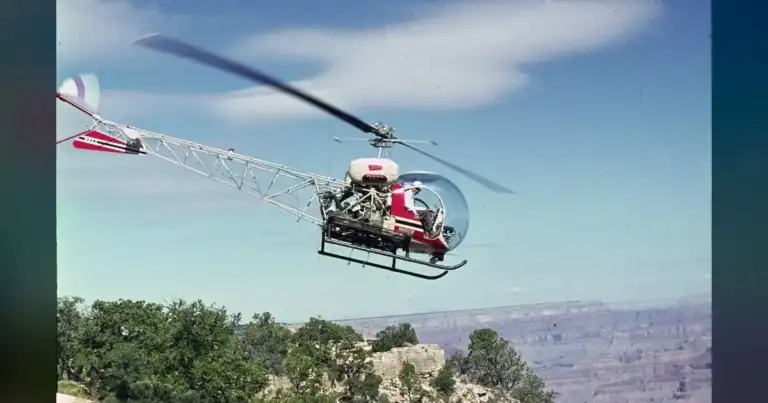

That persistent, low-flying buzz rattling windows across Central and Western Pennsylvania this week isn’t a new drone delivery service or some extraterrestrial scouting party. It’s the sound of your power company protecting its bottom line – and, as a useful byproduct, keeping your lights on. Since April 16th, residents from Centre to Washington counties have reported these aerial patrols, and make no mistake: they are absolutely part of the plan.
From Centre to Cambria, PPL Electric Utilities helicopters are on patrol. Simultaneously, West Penn Power birds are hitting Westmoreland, Fayette, and Washington. This isn’t some leisurely sightseeing tour; these choppers are packed with cutting-edge tech – specialized sensors and high-resolution cameras – meticulously scanning for what’s invisible from the ground: hairline cracks in insulators, dangerously overgrown trees encroaching on lines, or structural fatigue in the vast high-voltage transmission network.
Behind the Buzz: More Than Just Noise
The companies, naturally, spin this as all about “grid reliability” and “preventative maintenance” for your benefit. And yes, there’s a kernel of truth to that. As Maria Rodriguez from State College plainly told WTAJ:
‘I’d rather have them check the lines than lose power for days.’
She’s absolutely right. These flights do aim to catch problems before they plunge your neighborhood into darkness, a critical function given our increasingly volatile weather patterns. But let’s be clear: while your convenience is a positive outcome, the primary driver here is far less altruistic.
These aerial inspections aren’t new; they’ve been standard practice for decades. What has changed is the sophistication of the technology. Today, we’re talking about LiDAR and advanced infrared cameras that can pinpoint subtle faults or overheating components with astonishing precision – far more efficiently than any ground crew slogging through miles of dense, often inaccessible woods. PPL alone is responsible for maintaining over 50,000 miles of lines. Do you honestly think they’re going to send someone to walk every single mile?
The Bottom Line: Why They Really Fly
So, do these ‘fancy flyovers’ actually do anything beyond making noise? Absolutely. But not just for your benefit. They spot problems before your freezer melts, yes, but more importantly, they protect the utilities’ bottom line. These proactive aerial inspections cut inspection time by up to 75% and labor costs by an estimated 50% compared to sending ground crews slogging through miles of rough terrain. It’s smart business, plain and simple. Utilities consistently report these programs lead to a measurable decrease in both the frequency and duration of power outages – which translates directly into preventing massive, expensive system failures and avoiding hefty regulatory fines.
Regulatory Imperatives and Corporate Self-Interest
Beyond mere efficiency, these flyovers are often a non-negotiable regulatory requirement. Many state utility commissions and federal agencies mandate regular transmission line inspections, frequently requiring aerial methods due to their proven effectiveness in maintaining grid reliability and safety standards. This isn’t a suggestion; it’s a legal obligation that, if neglected, could lead to crippling penalties and public outcry. So, while the PR spin focuses on ‘keeping your lights on,’ the reality is about disciplined asset management to keep the money flowing and the regulators at bay.
So, the next time you hear that helicopter buzzing overhead, remember: it’s not just the sound of ‘grid reliability.’ It’s the rumble of efficiency, the whir of cost avoidance, and the unmistakable beat of corporate self-interest. The utilities want you to believe it’s all about keeping your lights on. And yes, that’s a welcome side effect. But for them? It’s about keeping their profits up, preventing catastrophic failures, and staying on the right side of regulators. It’s less public service, more disciplined asset management. And in the complex world of power, sometimes, that’s the only motivation that truly matters.
Photo: Photo by Grand Canyon NPS on Openverse (flickr) (https://www.flickr.com/photos/50693818@N08/11841307625)
Source: Google News