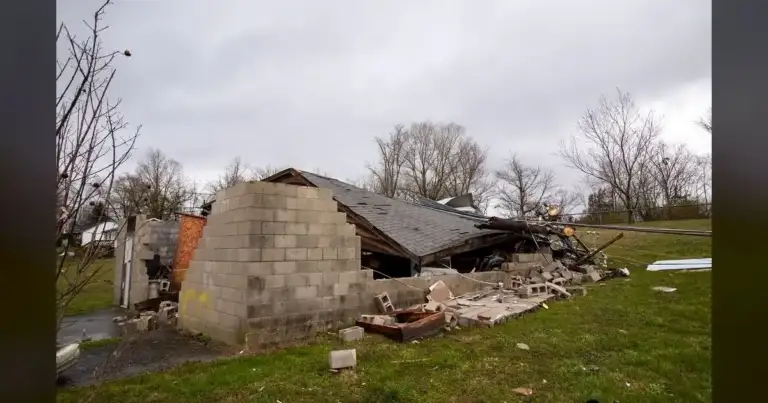


The Aftermath: Damage and Delays
The numbers are trickling in. Over 20 homes in Boone County took a hit, with roofs torn, siding ripped, and some structures significantly compromised. Callaway County saw similar destruction to rural homes and farm buildings. Power outages peaked at 15,000 customers. As of Friday morning, 3,500 still sat in the dark. Boone County Emergency Management Director Mike Loehner told KOMU 8,“We’re incredibly fortunate there have been no serious injuries. Our residents heeded the warnings, and that made all the difference. Now the hard work of recovery begins.”Callaway County Sheriff Clay Chism echoed the sentiment, stating,
“It’s mostly structural damage to outbuildings and some homes, but nothing catastrophic so far.”Sarah Jenkins, an Ashland resident, described the horror:
“It sounded like a freight train. We huddled in the basement. Our shed is gone, and the roof has some damage, but we’re safe. That’s what matters.”“Safe” is one thing. Financially solvent is another. The National Weather Service confirmed EF-1 tornadoes with peak winds of 90-100 mph. Initial damage estimates hover in the low millions of dollars. That figure will climb. And who pays that bill?
The Federal Aid Mirage
Residents are already asking: “Will federal disaster aid be available?” Don’t hold your breath. The bureaucratic obstacle course starts with Missouri Governor Mike Parson. He has to declare a state of emergency for the affected counties first. As of April 18, 2026, no such declaration has been made. Why the delay? For individual assistance from FEMA, the state needs to prove the damage is “beyond the capacity of state and local resources.” There are specific per-capita damage thresholds. So, while your roof is gone, the state is still doing its math. The U.S. Small Business Administration (SBA) might offer low-interest loans, but even that often requires a gubernatorial declaration. In the immediate term, you’re on your own. Call your insurance. Deal with local county emergency management. Hope volunteer groups like the Red Cross show up. It’s always the same story: local resources get stretched thin while state and federal agencies deliberate.RED MARKER VERDICT
Don’t let the “no fatalities” narrative fool you. While officials high-five over their “timely warnings,” ordinary Missourians are left to bleed cash. The real disaster isn’t just the wind damage; it’s the bureaucratic black hole that swallows local resources before any real federal help even *might* trickle down. The “low millions” figure is a slap in the face to anyone who just lost their home or livelihood. It’s always the people on the ground who pay the highest price, while politicians ponder “thresholds” and make sure the paperwork is perfect. Governor Parson needs to stop assessing and start declaring. The people of Boone and Callaway counties aren’t waiting for a press release; they’re waiting for help.Photo: Photo by Chuck Sutherland on Openverse (flickr) (https://www.flickr.com/photos/9563286@N03/49617932003)
Source: Google News